By Kim Hullett
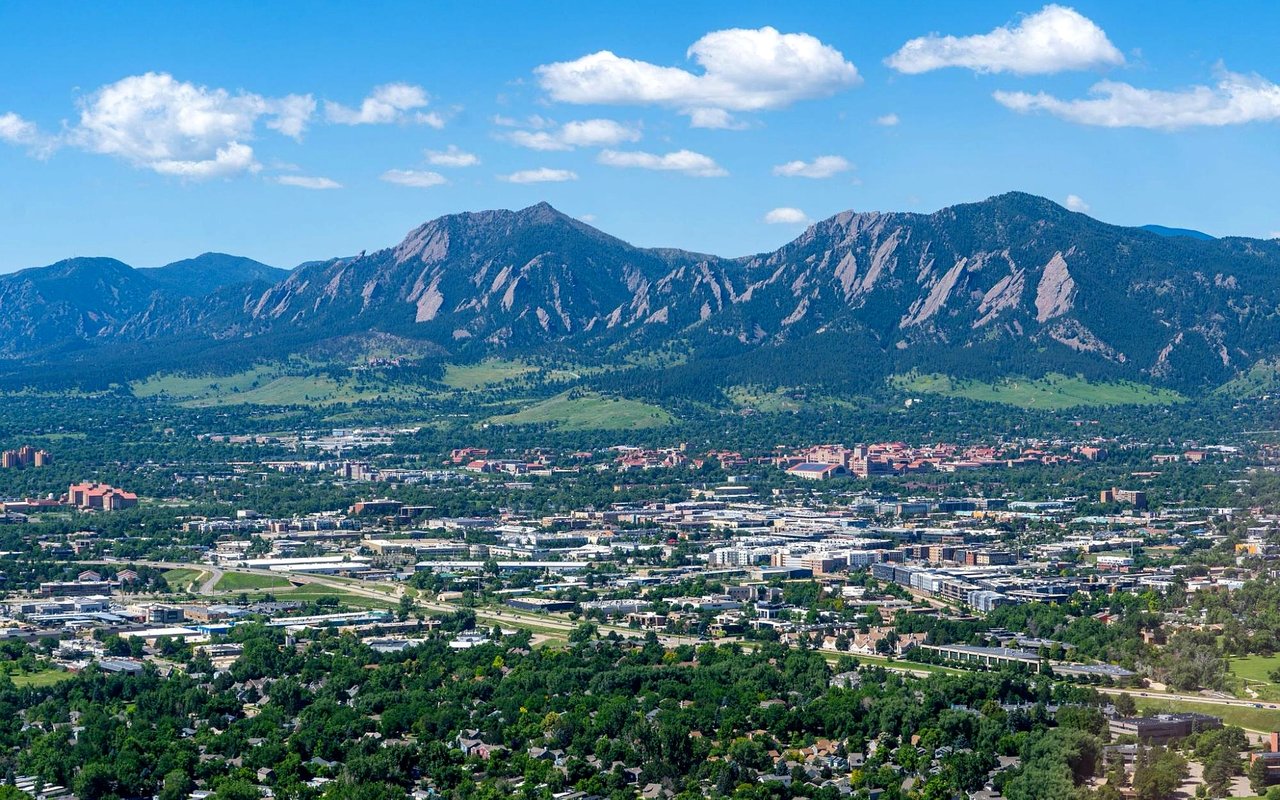
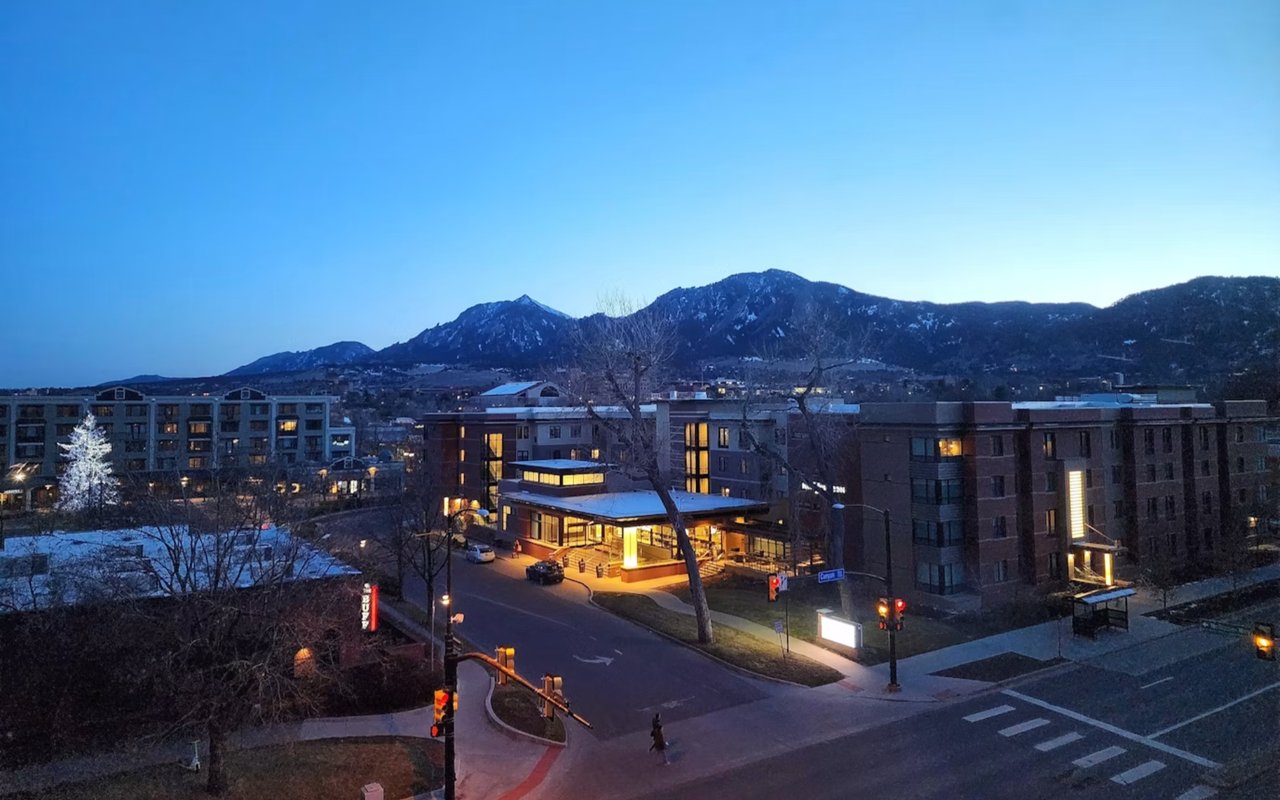
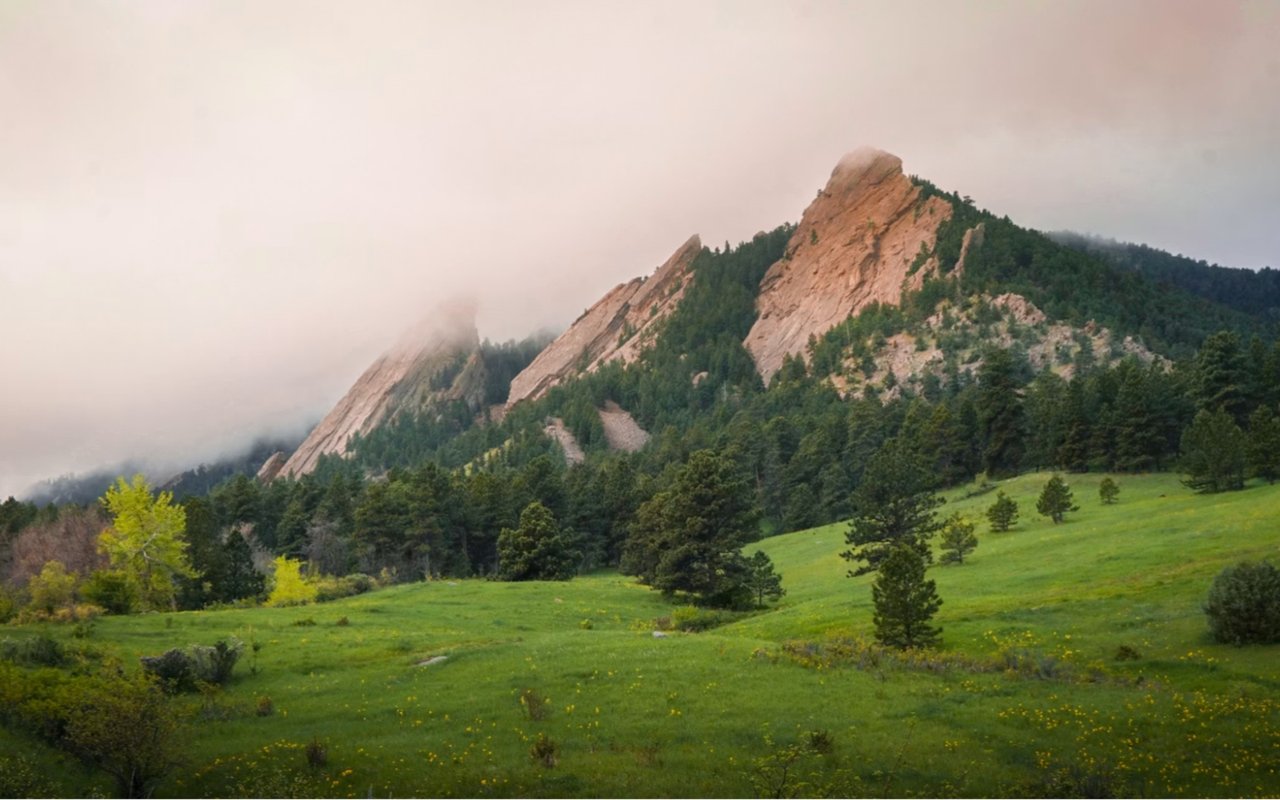
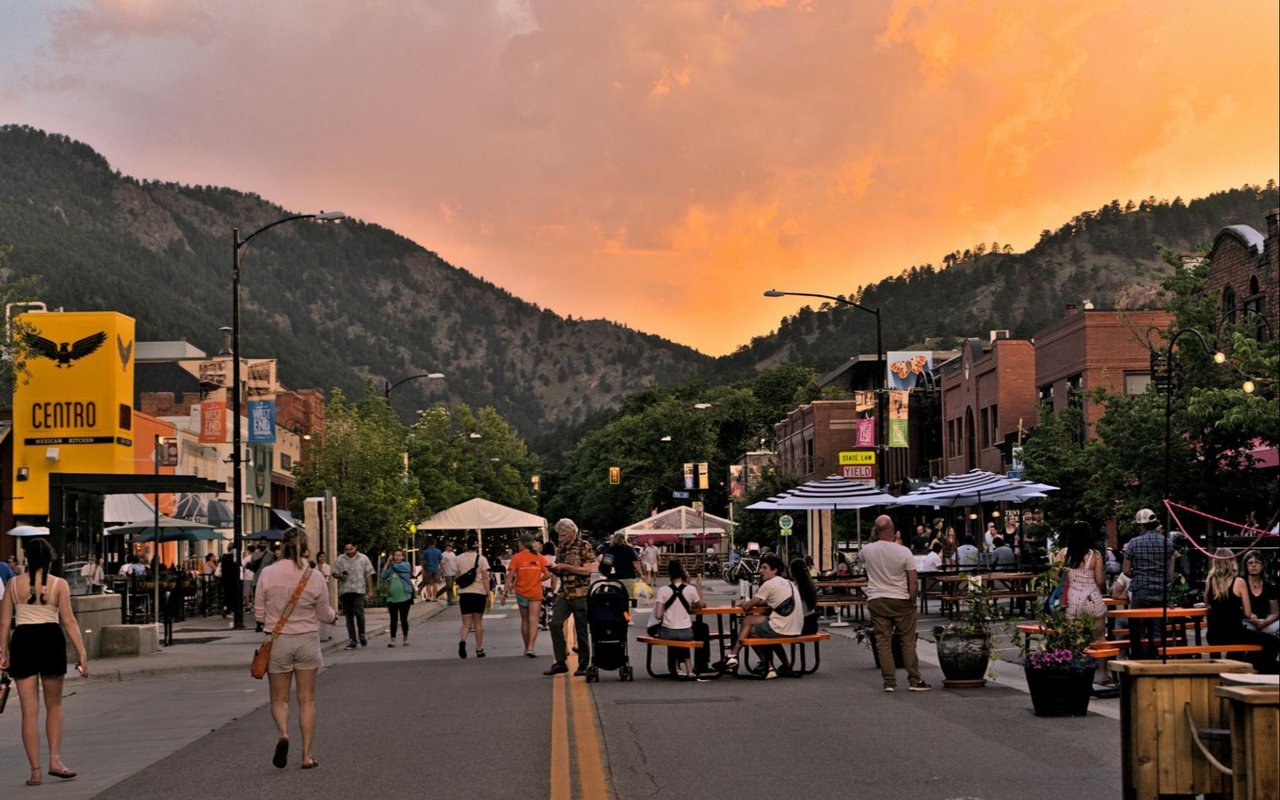
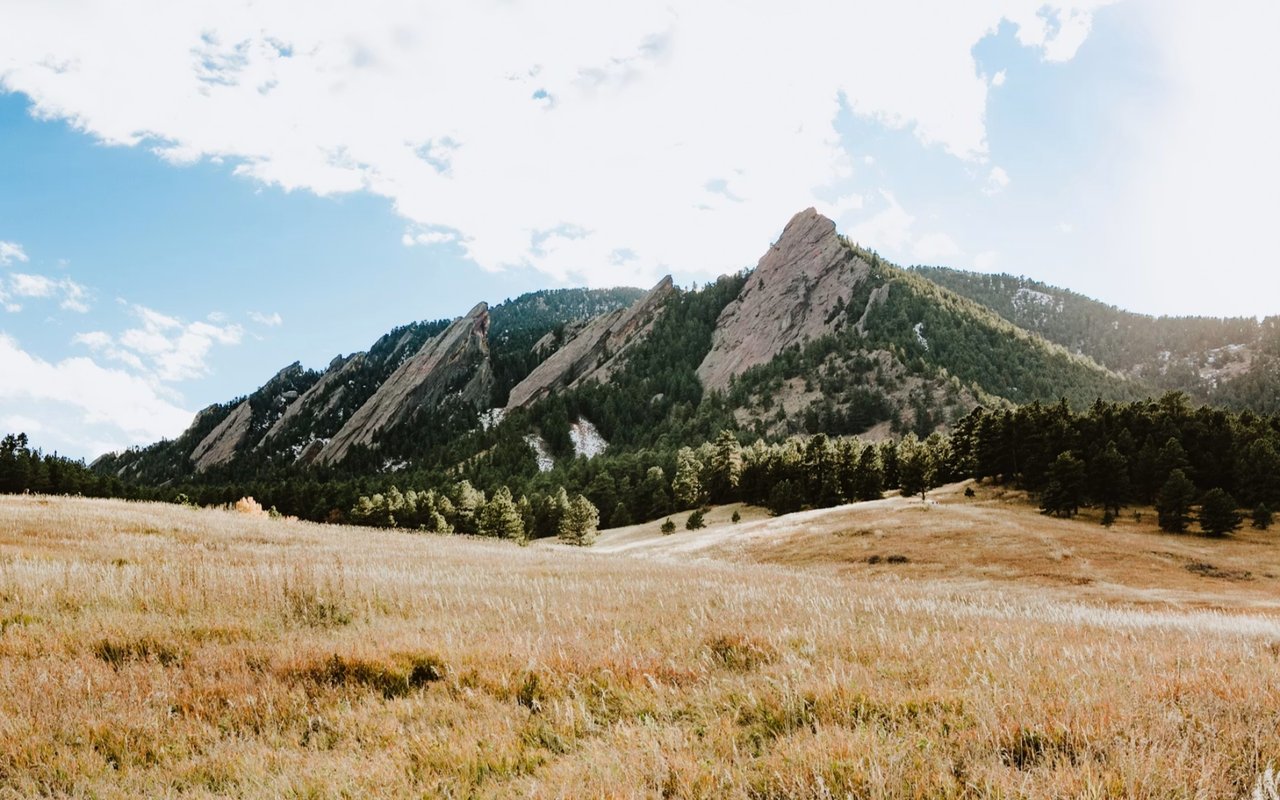
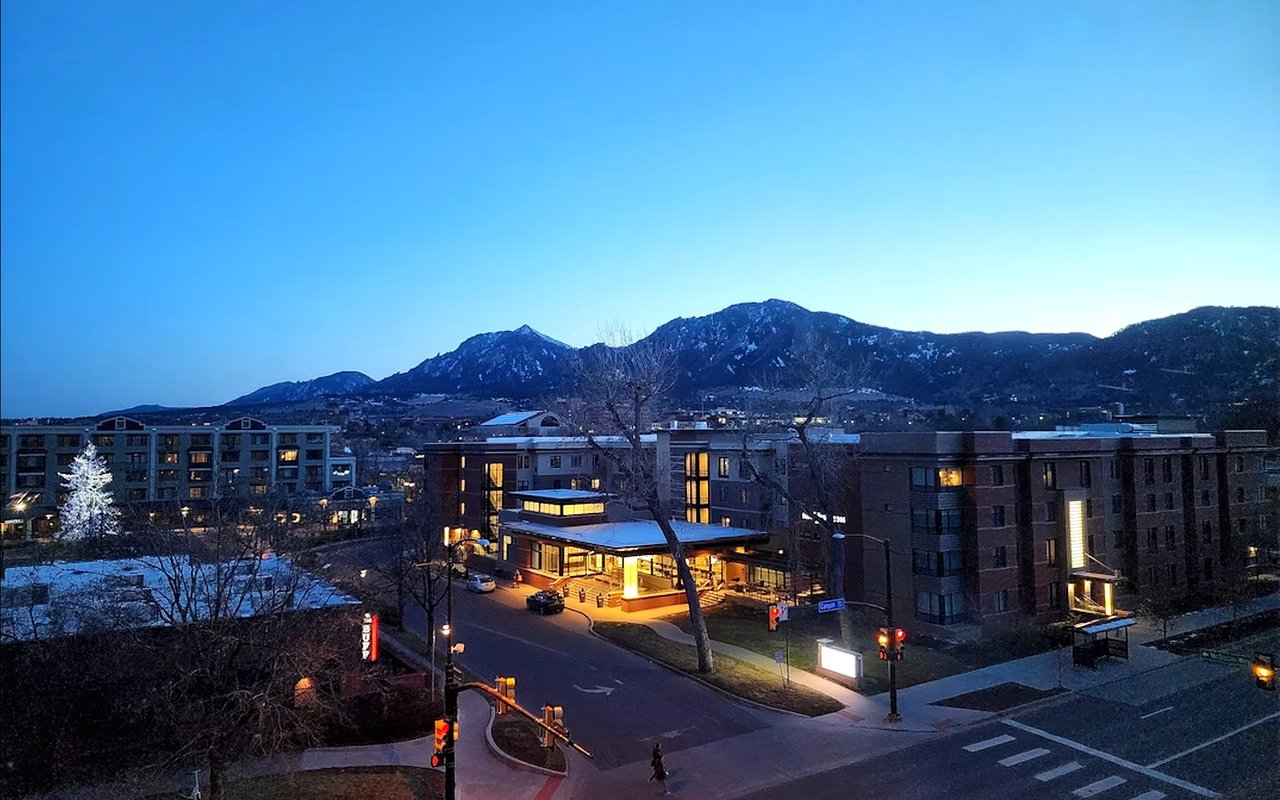
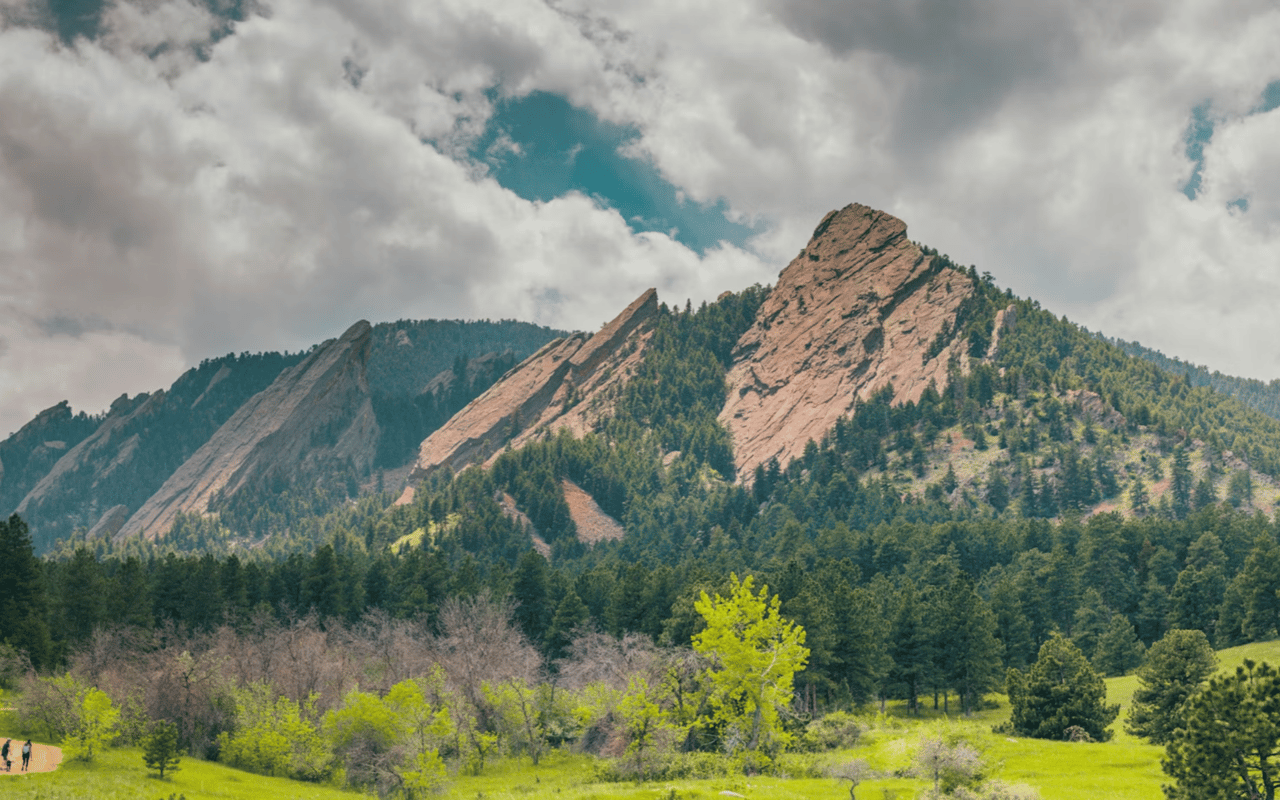
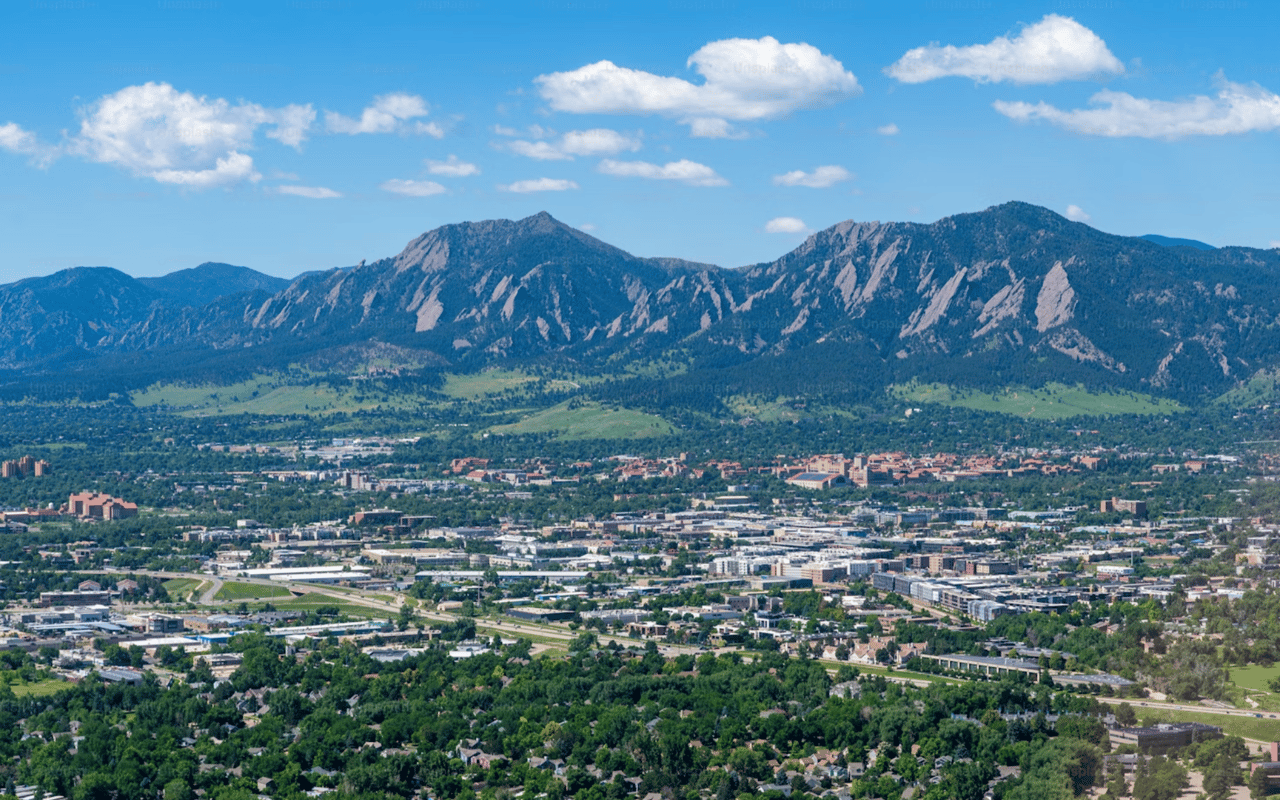
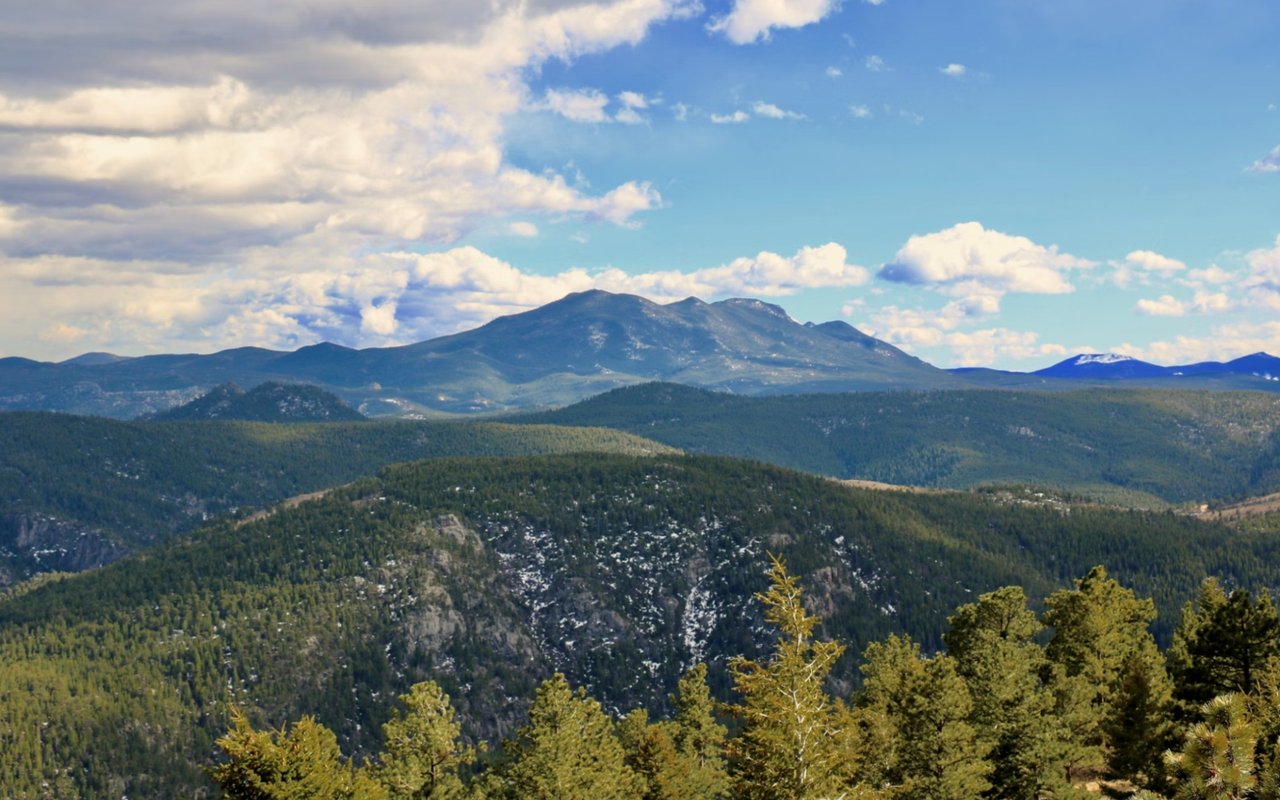
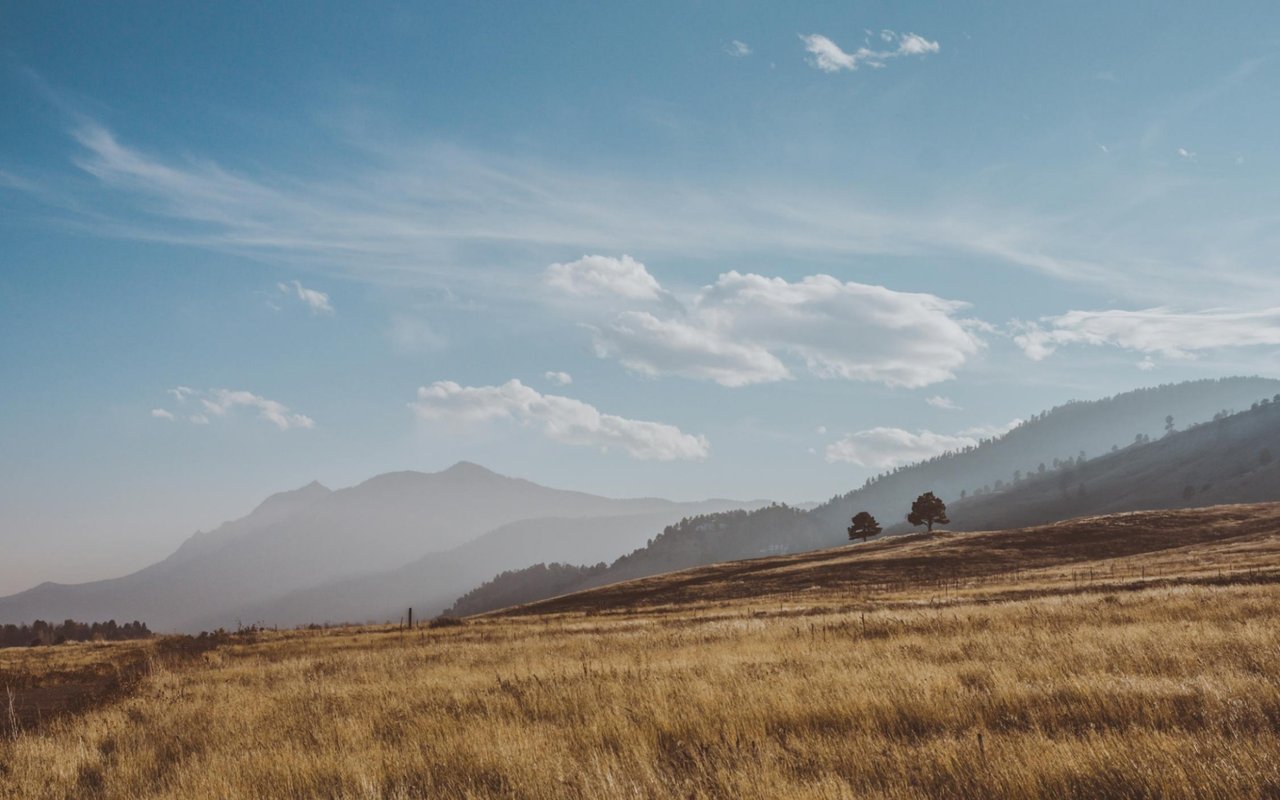
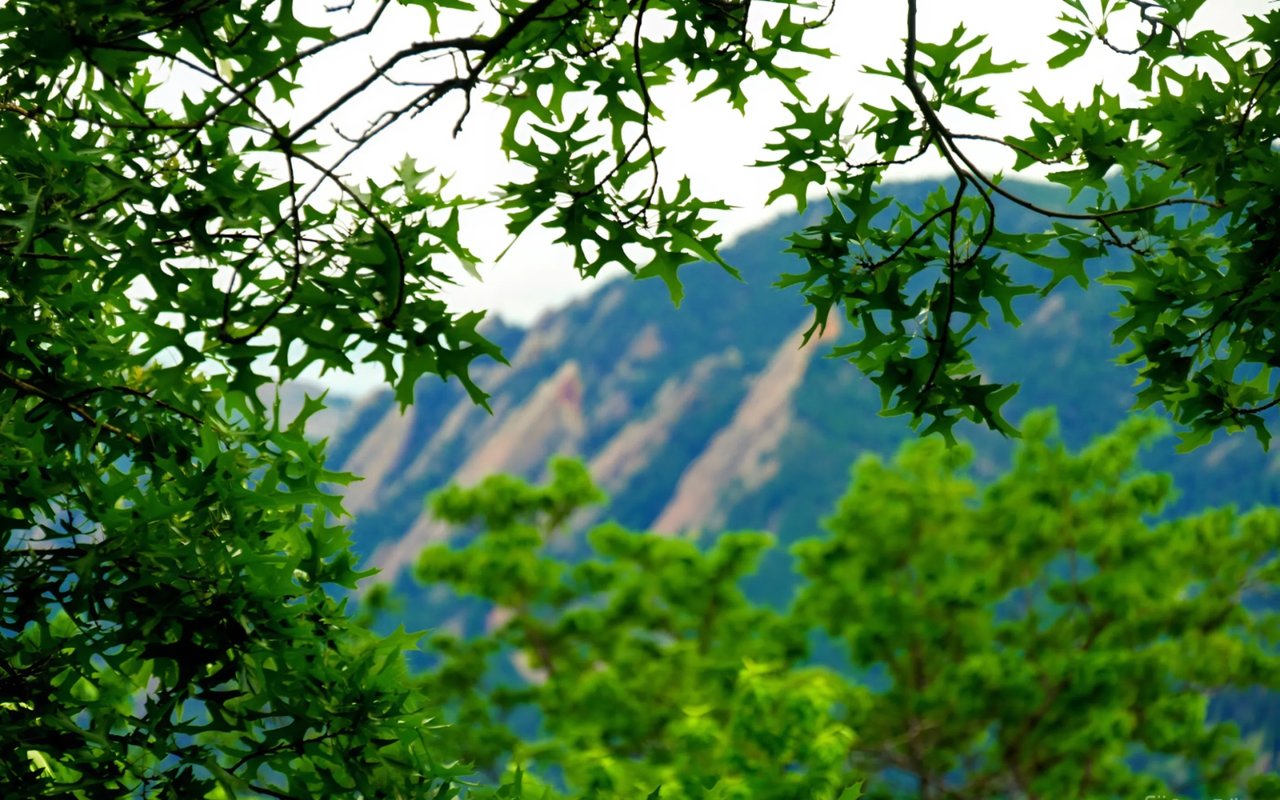
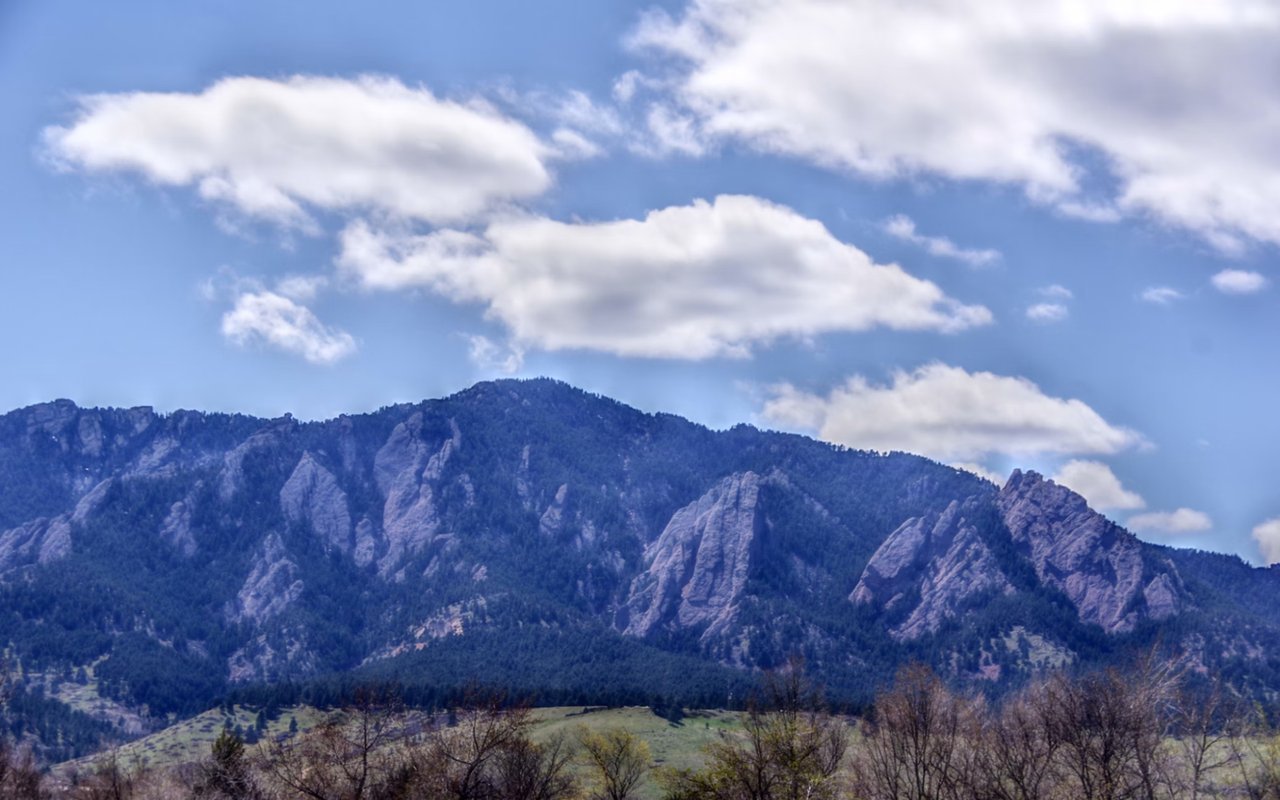
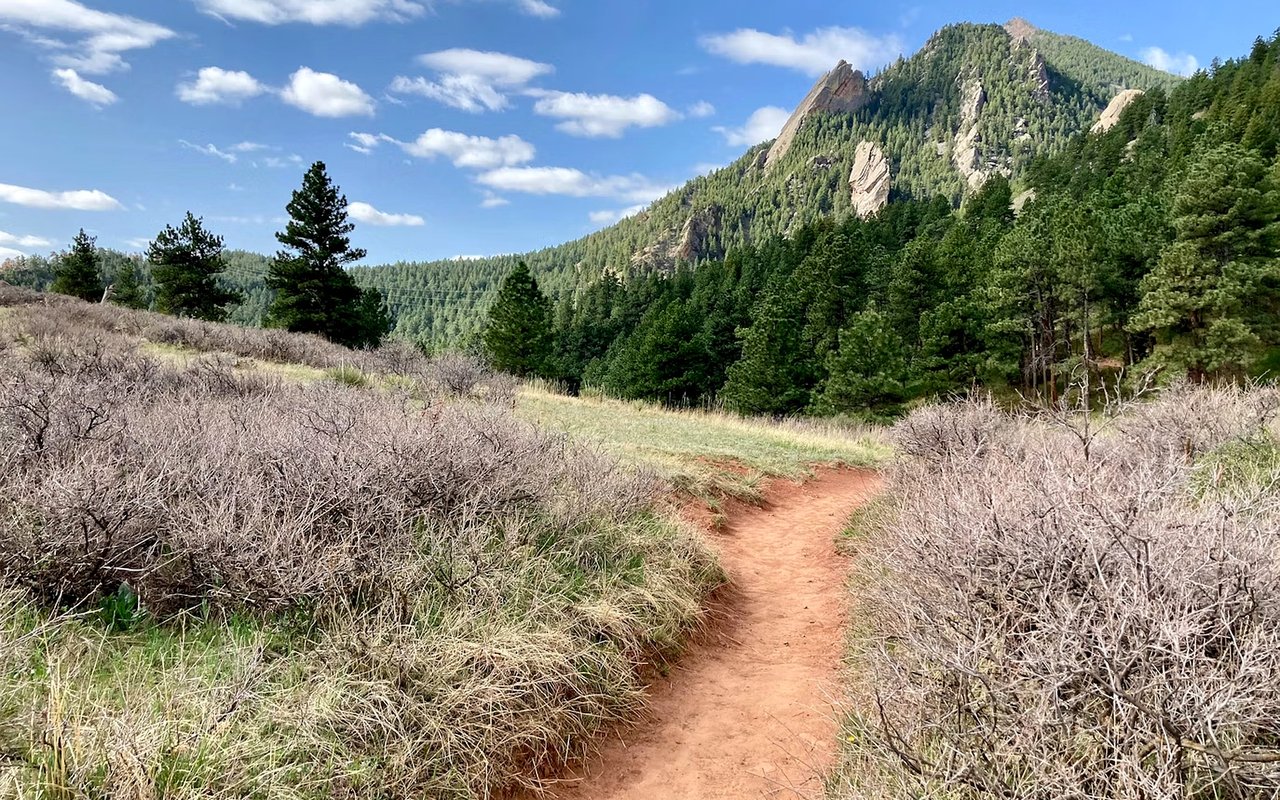
When buyers move to Boulder, they almost always mention the Flatirons first. Those iconic tilted sandstone formations rising at the edge of the city are something you walk to on a Tuesday morning before work, something you watch turn gold at sunset from your backyard, and something that quietly factors into how Boulder prices its real estate. After 23 years here, I can tell you that outdoor access in Boulder is not an amenity. It is the foundation of the lifestyle.
Key Takeaways
- Boulder's Open Space and Mountain Parks system protects more than 46,000 acres of recreational land surrounding the city
- Most Flatirons trailheads are accessible from the Chautauqua Trailhead off Baseline Road, minutes from downtown
- Outdoor access directly influences property values in neighborhoods bordering open space
- Boulder offers trail options for every level, from easy meadow loops to multi-pitch rock climbs
The Flatirons: What They Are and Why They Matter
The Flatirons are a series of massive tilted sandstone slabs that define Boulder's western skyline. Formed roughly 290 million years ago and shaped by erosion over millennia, they are among the most recognizable geological features in Colorado. For residents, they function as a daily landmark, a fitness destination, and a measure of where you are relative to the mountains.
Access to the Flatirons runs primarily through Chautauqua Park, one of Boulder's most historic and beloved open-space destinations. From the Chautauqua Trailhead off Baseline Road, hikers can reach everything from beginner-friendly meadow loops to the Royal Arch, a natural rock formation that rewards a 3.5-mile round trip with views stretching across Boulder and well into the plains.
Trails Worth Knowing
- Flatirons Loop Trail (2.6 miles): A moderate loop through ponderosa pine forest at the base of the formations, ideal for a first visit or a quick morning outing
- First and Second Flatirons Trail (2.7 miles round trip): The most popular route, bringing hikers to the saddle between the First Flatiron and Sunset Rock with sweeping views of the city below
- Royal Arch Trail (3.5 miles): A more demanding hike culminating at a natural sandstone arch, one of the most rewarding routes in the open space system
- Green Mountain (6 miles round trip): For hikers who want more elevation, this route continues past the Flatirons to summit one of Boulder's classic peaks
Rock Climbing and the Flatirons
Boulder is a world-class climbing destination, and the Flatirons sit at the center of that reputation. The First and Third Flatirons offer multi-pitch routes ranging from four to ten pitches, attracting climbers from across the country. Note that the Third Flatiron is typically closed to climbers from early February through late July to protect nesting raptors, something locals plan their spring seasons around.
Eldorado Canyon State Park, just a short drive south of Boulder, adds another dimension to the climbing landscape and draws technical climbers at the highest levels. For buyers who prioritize climbing access, properties in South Boulder and the Chautauqua neighborhood offer the shortest approach times to both destinations.
What Outdoor Access Looks Like Year-Round
- Spring: Wildflowers on the meadow trails, though some routes stay muddy through May; check conditions before heading out
- Summer: Early starts matter, as trailhead parking fills by mid-morning on weekends and afternoon thunderstorms roll in quickly
- Fall: The best season for most hikes, with cooler temperatures and golden foliage on the Flatirons slopes
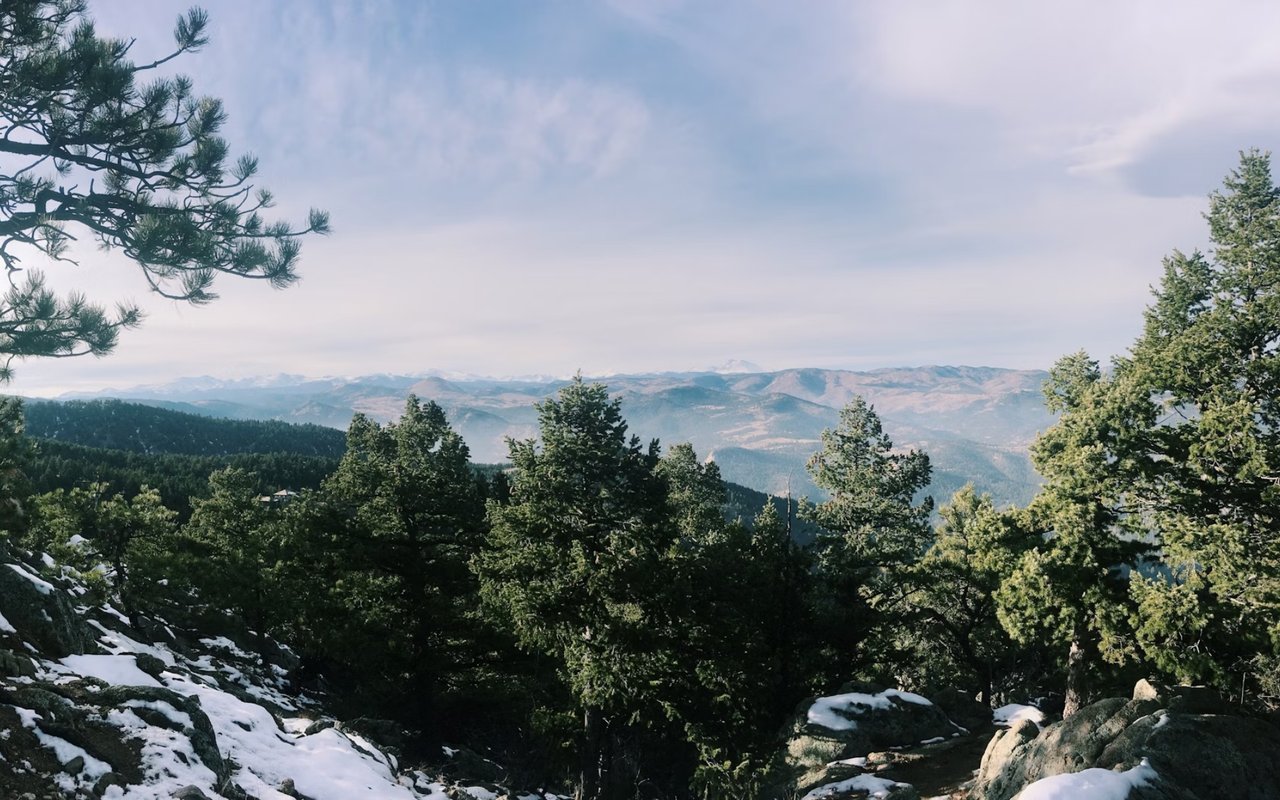
- Winter: Many trails remain open; microspikes or traction devices are recommended from November through March on the steeper routes
Beyond the Flatirons: Boulder's Broader Outdoor Network
The Flatirons represent only one corner of Boulder's outdoor landscape. Mount Sanitas, in North Boulder, offers a challenging 3.1-mile loop with significant elevation gain and city views that rival Chautauqua. The Boulder Creek Path runs more than five miles through the city, connecting neighborhoods and providing an off-street cycling and running corridor used daily by thousands of residents.
Eldora Mountain Resort sits just 21 miles west of Boulder and provides ski and snowboard access without the I-70 commute that Front Range residents know too well. Boulder is also consistently ranked among the most bike-friendly cities in the country, with dedicated lanes, mountain biking trails, and road cycling routes that leave directly from residential neighborhoods.
Other Outdoor Highlights Near Boulder
- Mount Sanitas: 1,343 feet of elevation gain in 3.1 miles, one of Boulder's most popular daily workouts
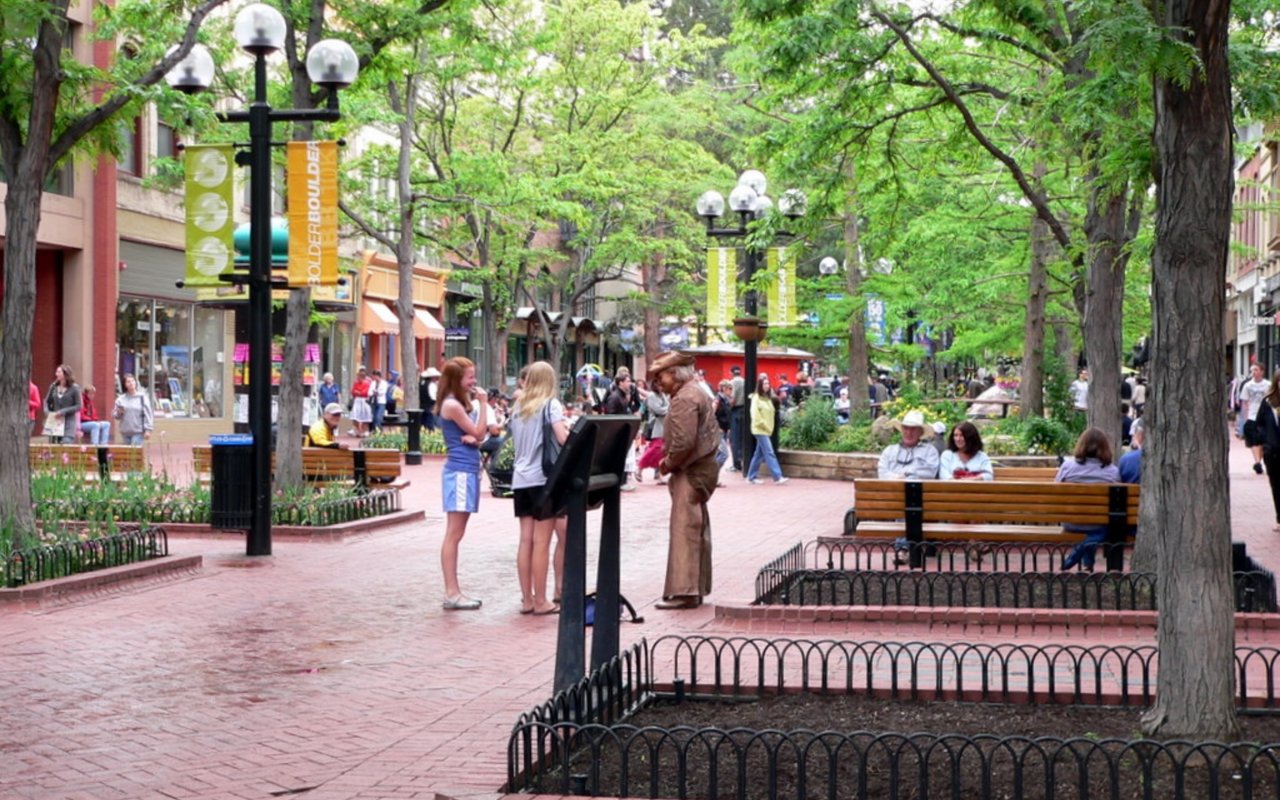
- Boulder Creek Path: A paved multi-use trail running through the center of the city, connecting the Pearl Street area to Eben G. Fine Park
- Eldorado Canyon State Park: Technical rock climbing and scenic trails just 8 miles south of downtown
- Eldora Mountain Resort: Ski and snowboard terrain 45 minutes from Boulder with a fraction of the I-70 traffic
How Outdoor Access Shapes the Real Estate Market
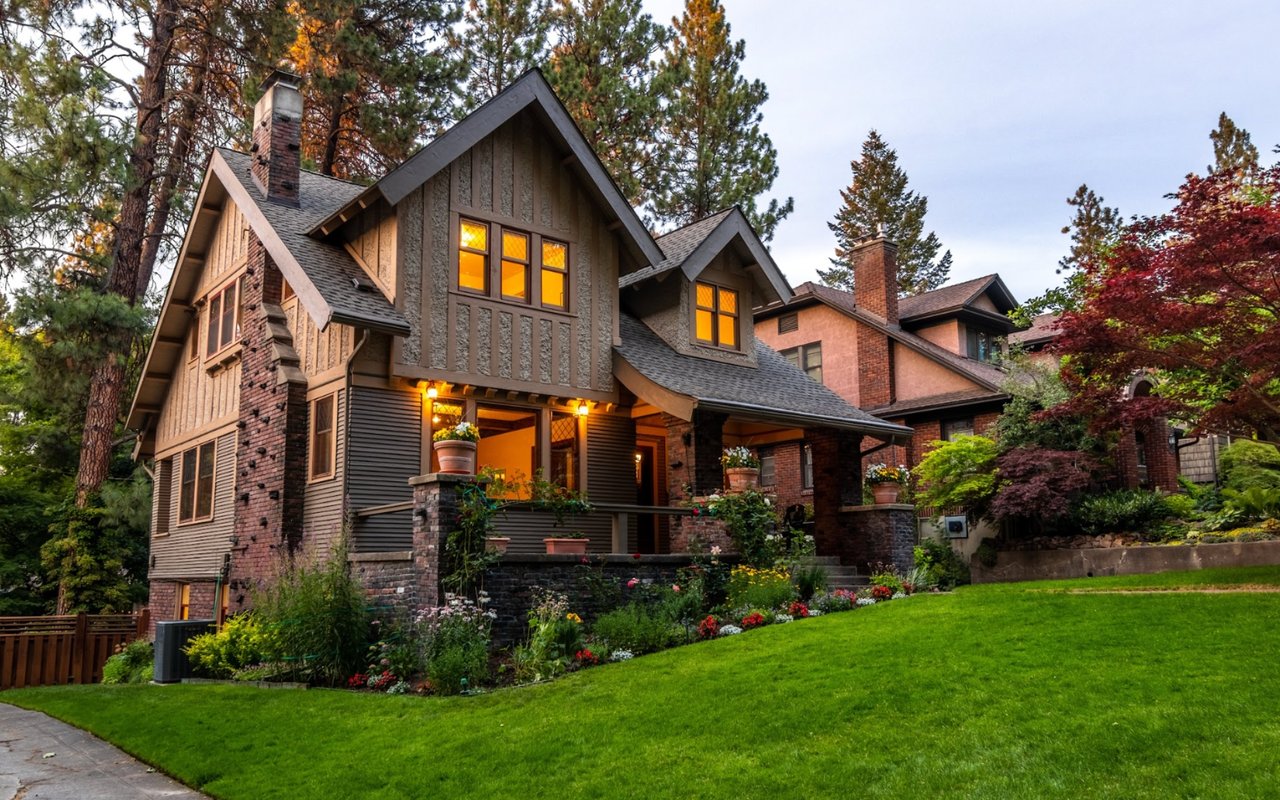
Proximity to open space is not a soft preference in Boulder. It is a measurable factor in how properties are priced and how quickly they sell. Homes bordering the open space system, within walking distance of Chautauqua, or positioned to capture Flatirons views from living areas and outdoor spaces consistently command premiums over comparable properties located further from trailhead access.
Buyers in the Chautauqua neighborhood, Pine Brook Hills, and Wonderland Hills are often paying in part for the lifestyle infrastructure that surrounds those addresses and the ability to be on trail within minutes of leaving home. For buyers who prioritize outdoor living, that proximity has real, lasting value.
Neighborhoods With the Best Open Space Access
- Chautauqua: Direct walking access to the Chautauqua Trailhead and Flatirons routes
- Pine Brook Hills: Foothill location with immediate open space boundaries and mountain views
- Wonderland Hills: North Boulder location adjacent to open space with elevated terrain
- South Boulder: Close proximity to Eldorado Canyon and the South Mesa Trailhead system
FAQs
Do you need a car to access the Flatirons from downtown Boulder?
No. Boulder's bus system and extensive bike path network connect directly to the Chautauqua Trailhead, making it genuinely accessible without a car. That said, trailhead parking fills quickly on weekends, and walking or biking from nearby neighborhoods is often the faster option.
Are Flatirons trails open in winter?
Most trails remain open year-round, though conditions can be icy from November through March. Microspikes or traction devices are strongly recommended on the steeper routes. The Third Flatiron is also seasonally closed to climbers in winter and spring to protect nesting raptors.
How does trail access affect home values in Boulder?
Homes within walking distance of major trailheads, particularly in the Chautauqua neighborhood, Pine Brook Hills, and South Boulder, consistently command premiums over comparable Boulder homes for sale without that proximity. In Boulder's market, outdoor access is a structural value driver, not just a lifestyle preference.
Find Your Boulder Home Near the Flatirons
Knowing which neighborhoods put you closest to the trails, the views, and the outdoor lifestyle that defines this city is the kind of local knowledge that takes years to build. I have spent more than two decades living and working here, and I use that perspective every time I help a buyer find the right address.
Reach out to me to learn more about my work in Boulder and let's start a conversation.