By Kim Hullett
After 23 years living and working in Boulder, I have watched this market move through cycles that most agents only read about. What I can tell you with confidence is this: the Boulder luxury real estate market today is presenting a window that serious buyers and investors have not had access to in years. Inventory is up, competition has softened at select price points, and the fundamental drivers that make Boulder one of Colorado's most durable markets have not changed at all.
Key Takeaways
- The luxury threshold in Boulder County now starts at $1.5 million, with the median city home price near $951,000 as of mid-2025
- The $2.5M–$5M segment saw a 33% month-over-month sales increase in late 2025
- Boulder's protected open space, university economy, and constrained land supply continue to underpin long-term values
- Buyers currently have more negotiating room than at any point in the last several years
What Defines the Boulder Luxury Market
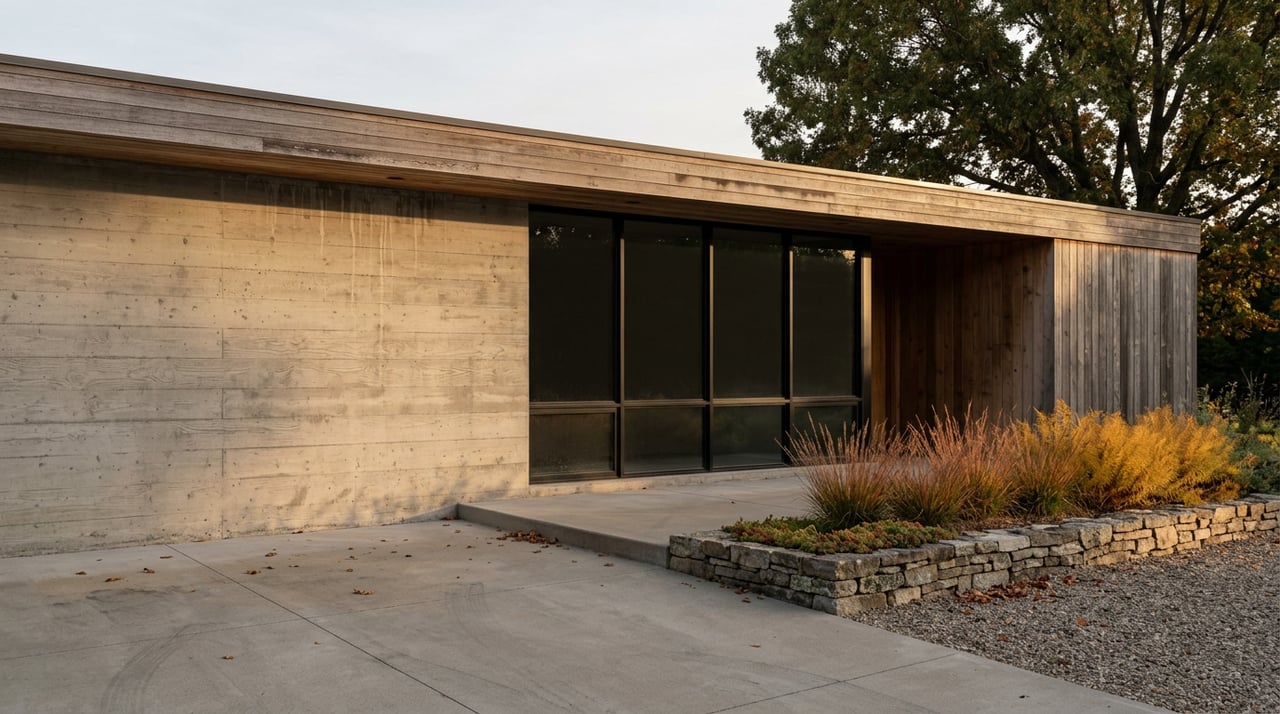
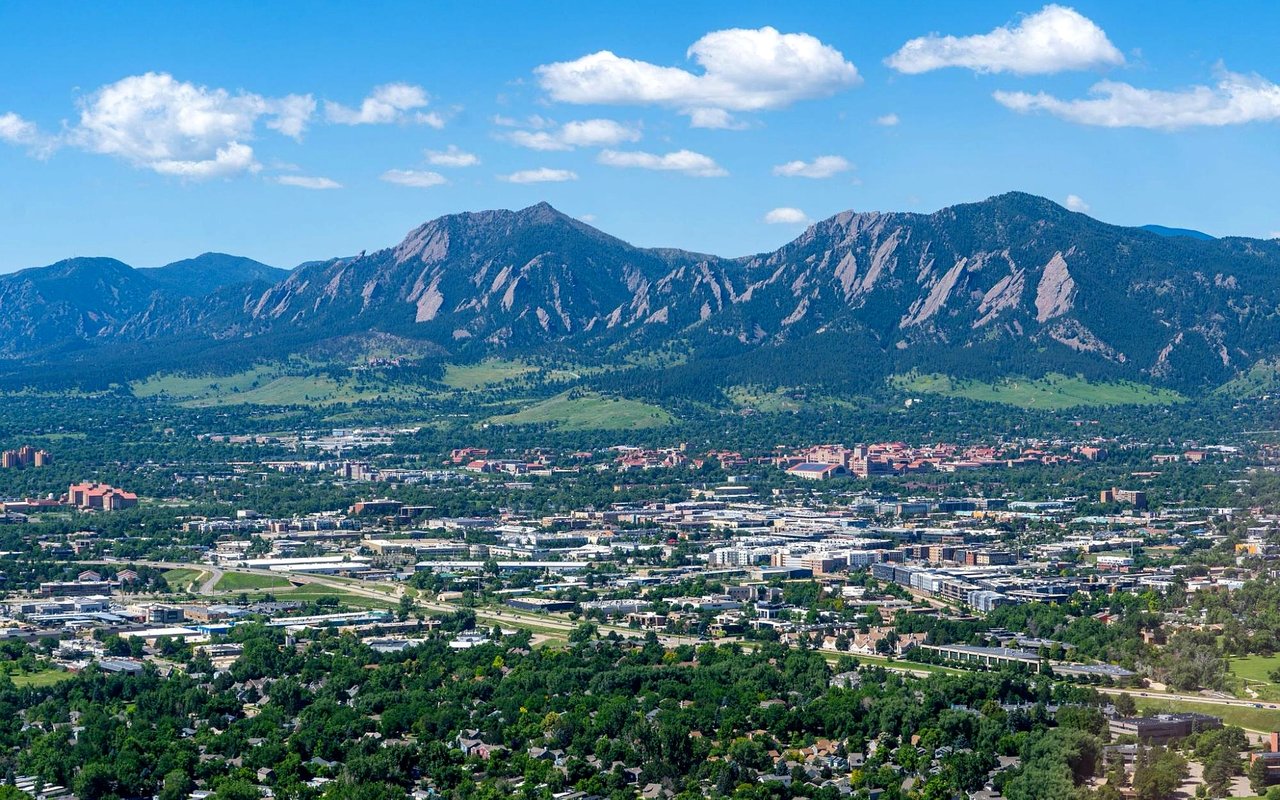
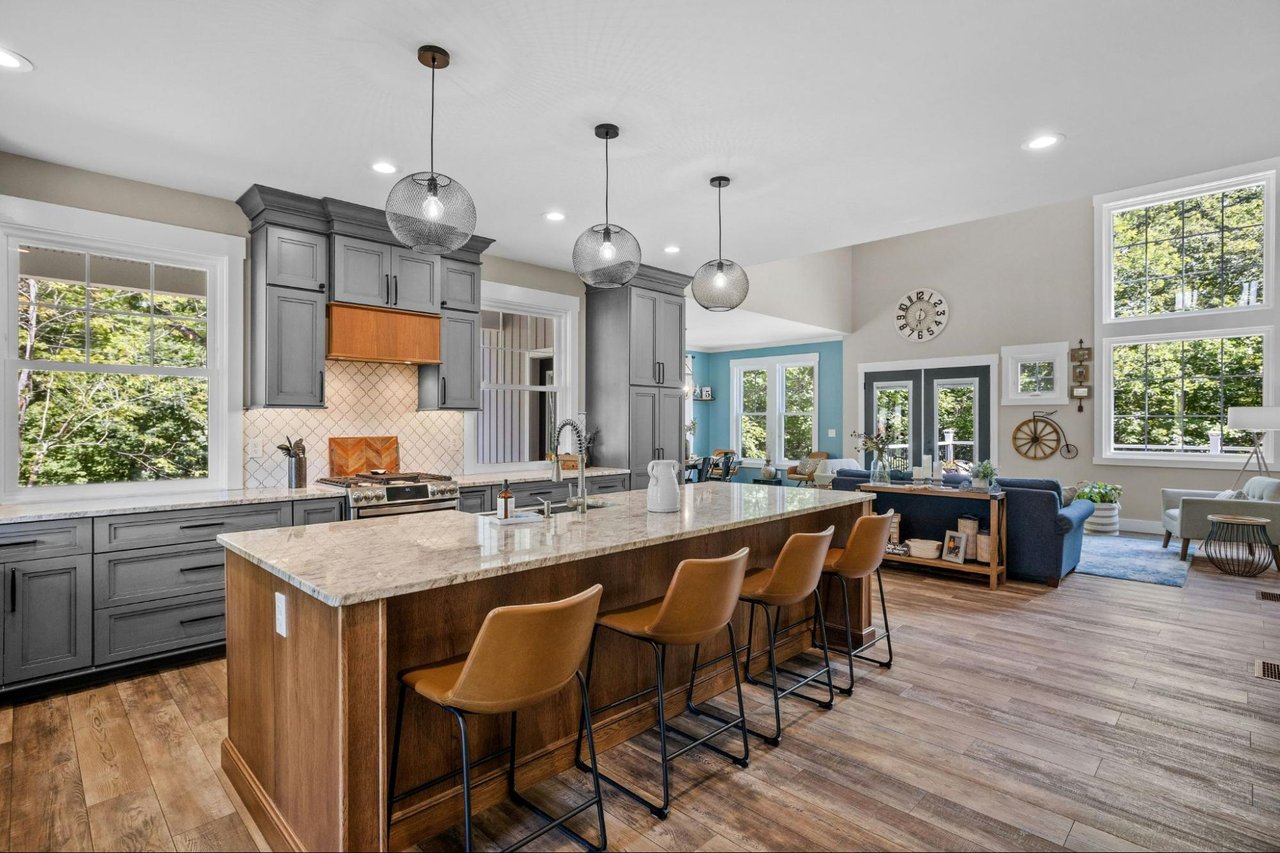
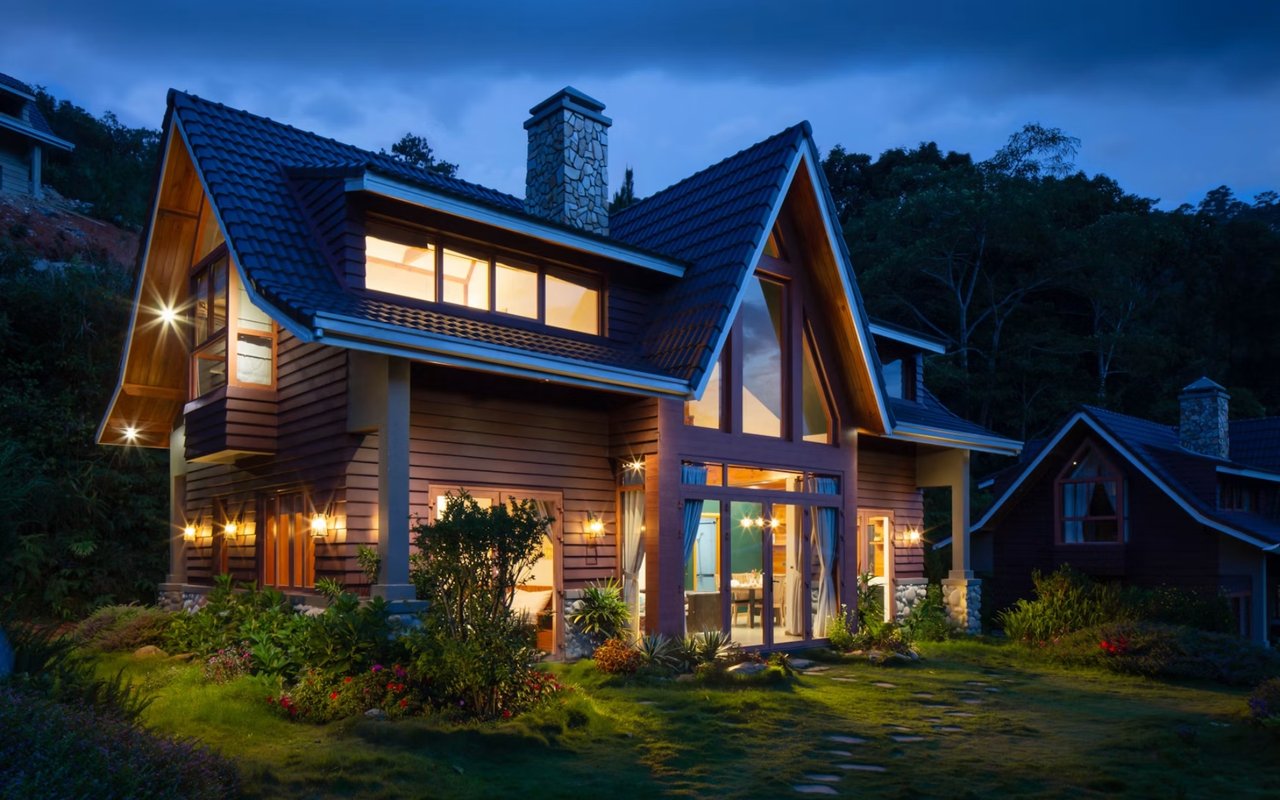
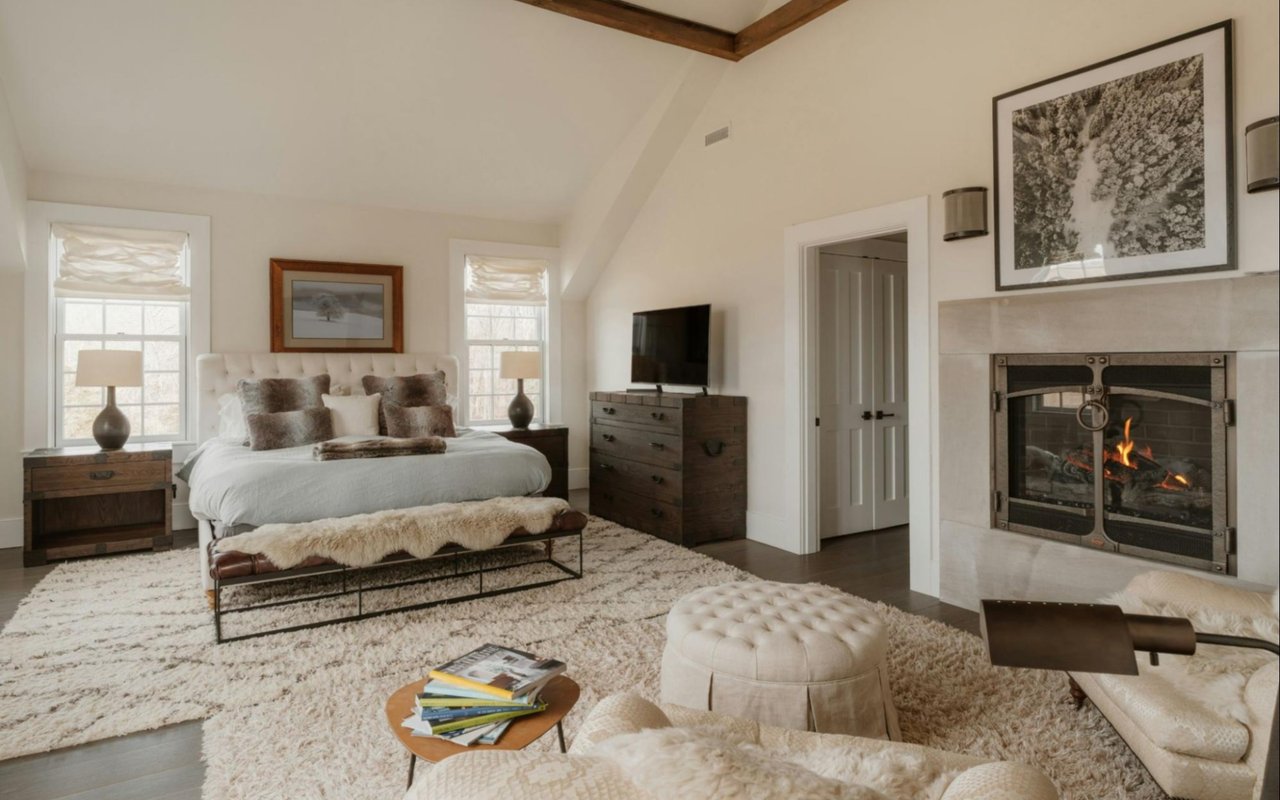
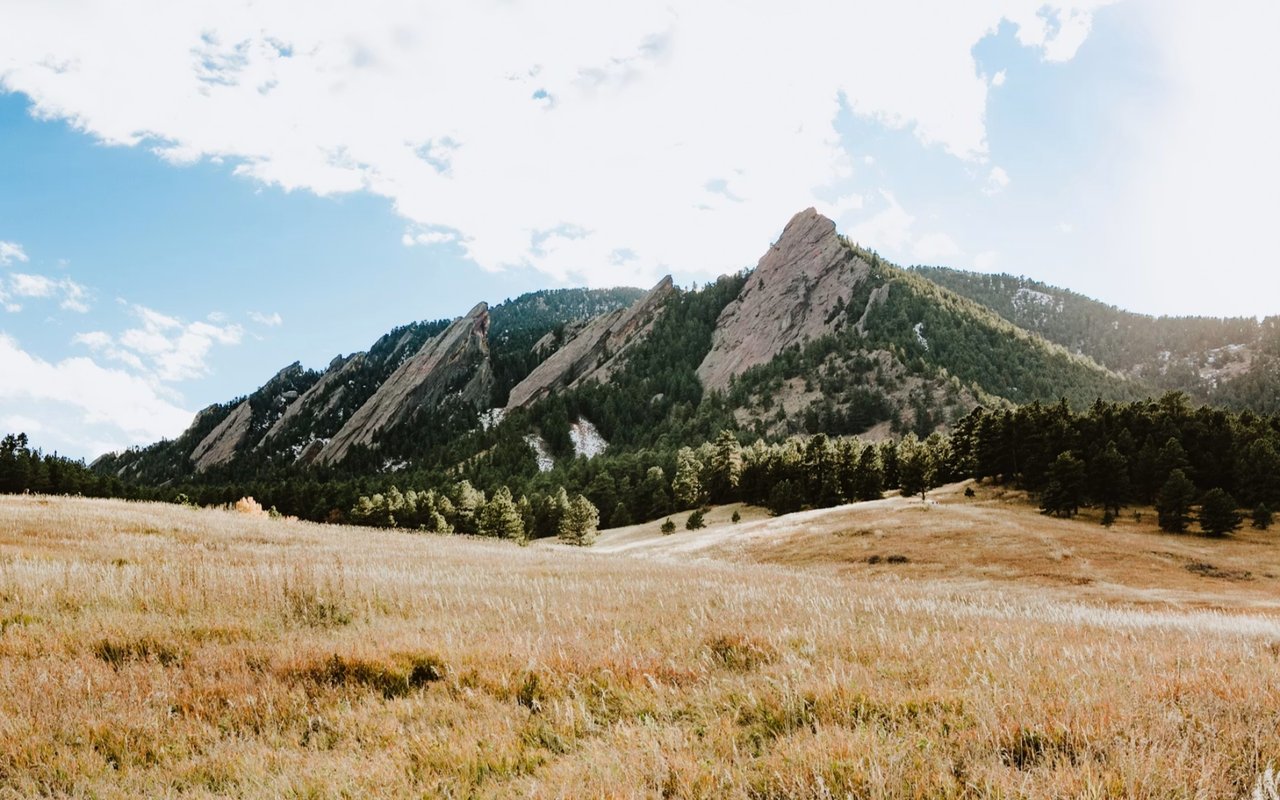
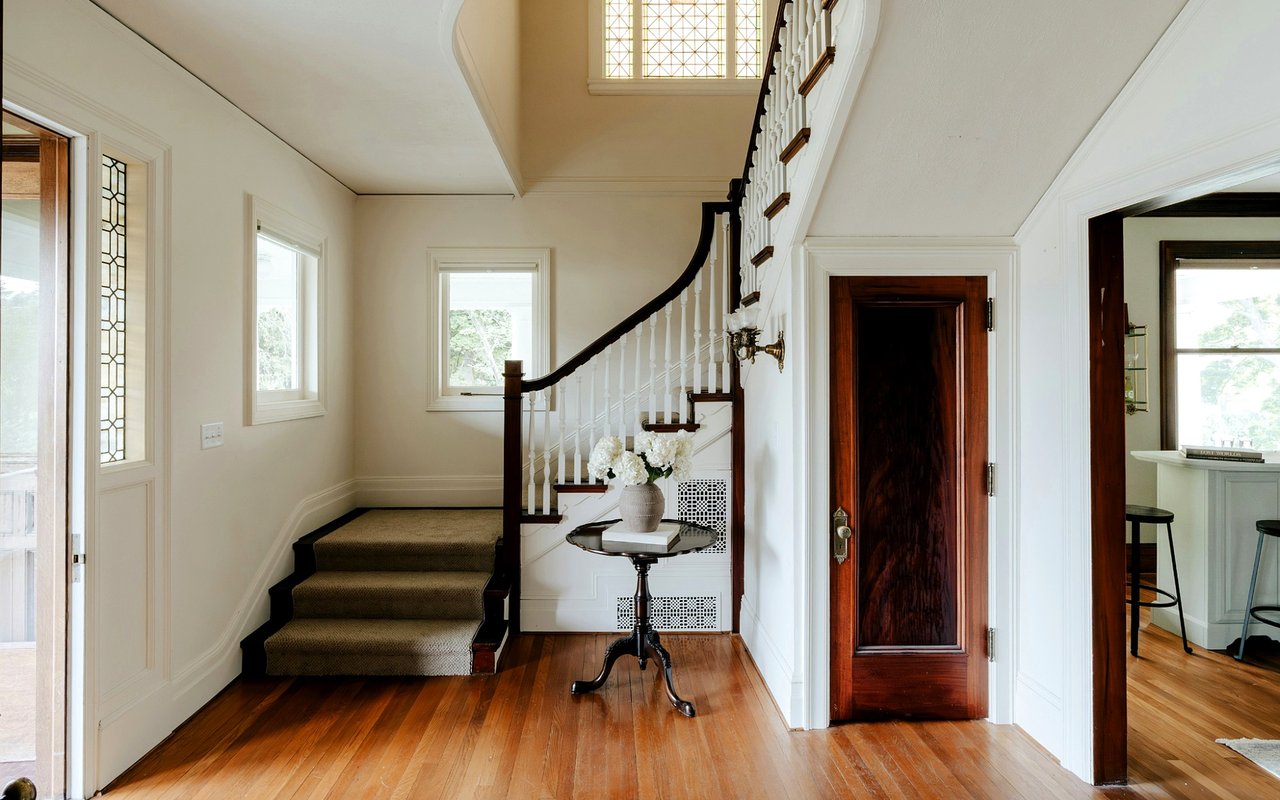
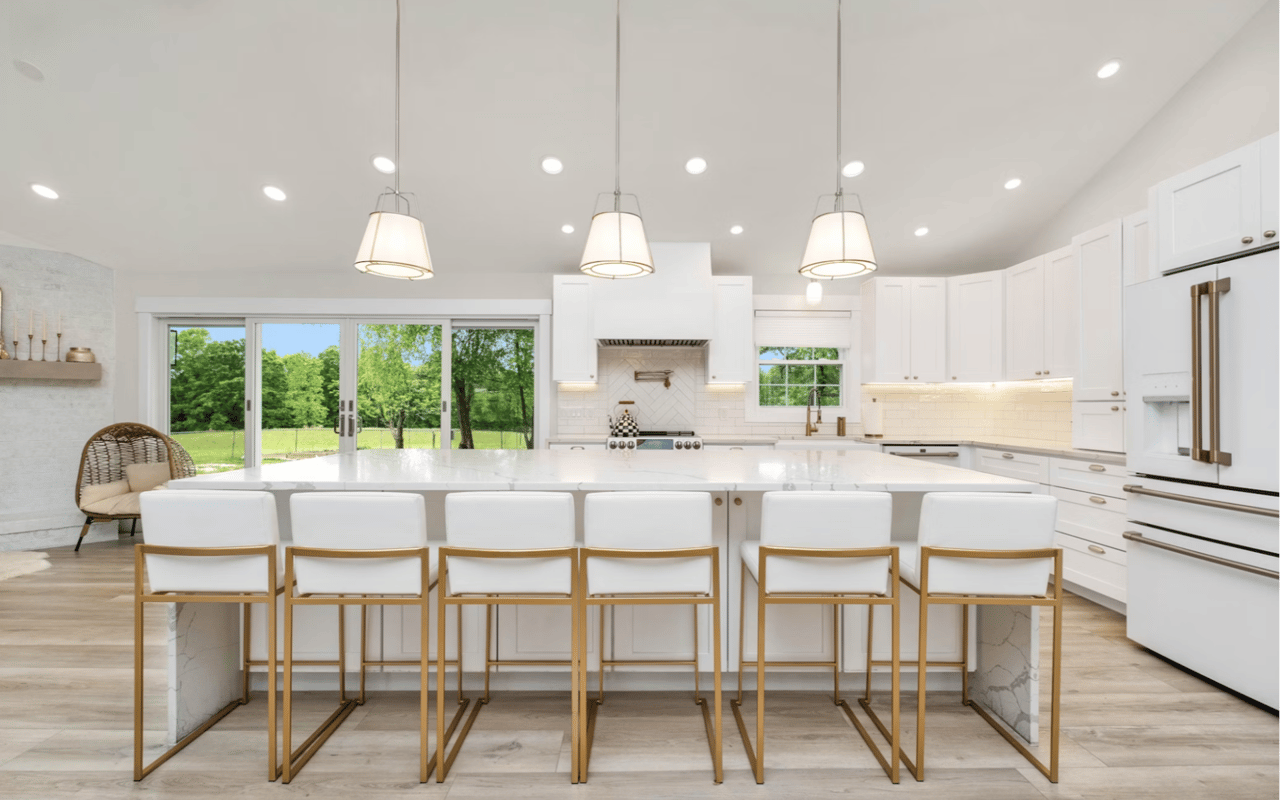
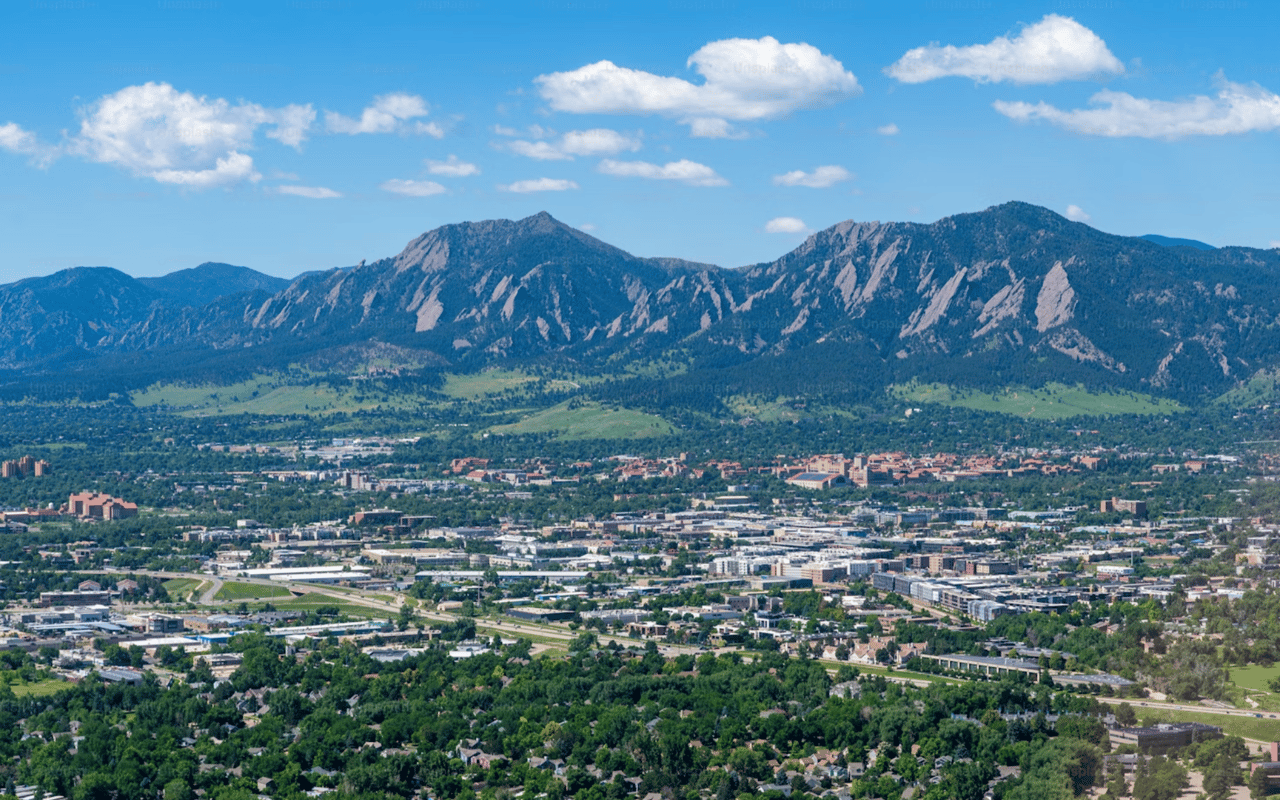
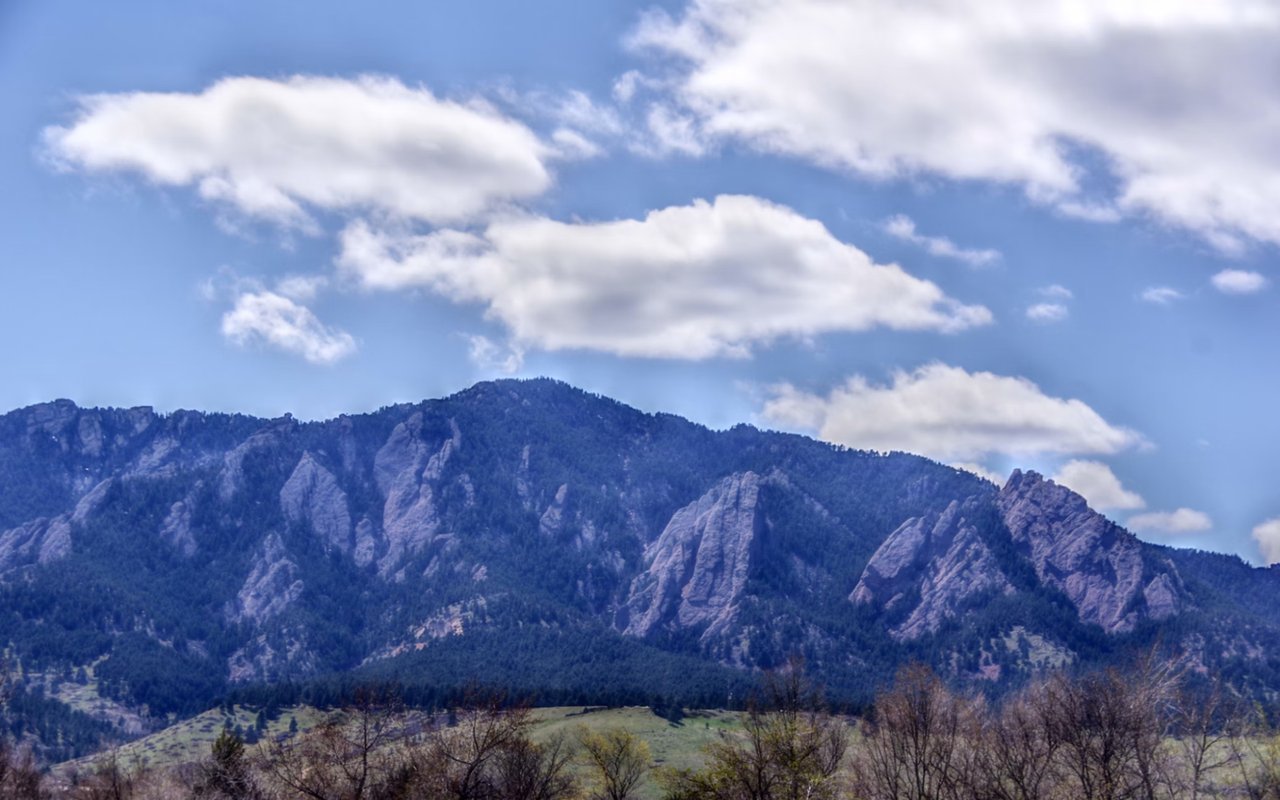
Boulder's luxury market is not simply a price tier. It is a lifestyle category defined by architecture, location, and access. At the $1.5 million entry point, buyers can expect refined finishes, proximity to open space, and neighborhoods with strong architectural character. As you move into the $2.5M–$5M range and beyond, the offerings shift toward custom estates, Flatirons-facing lots, and properties in neighborhoods like Mapleton Hill, Chautauqua, Pine Brook Hills, and Wonderland Hills.
Price Tiers Worth Understanding
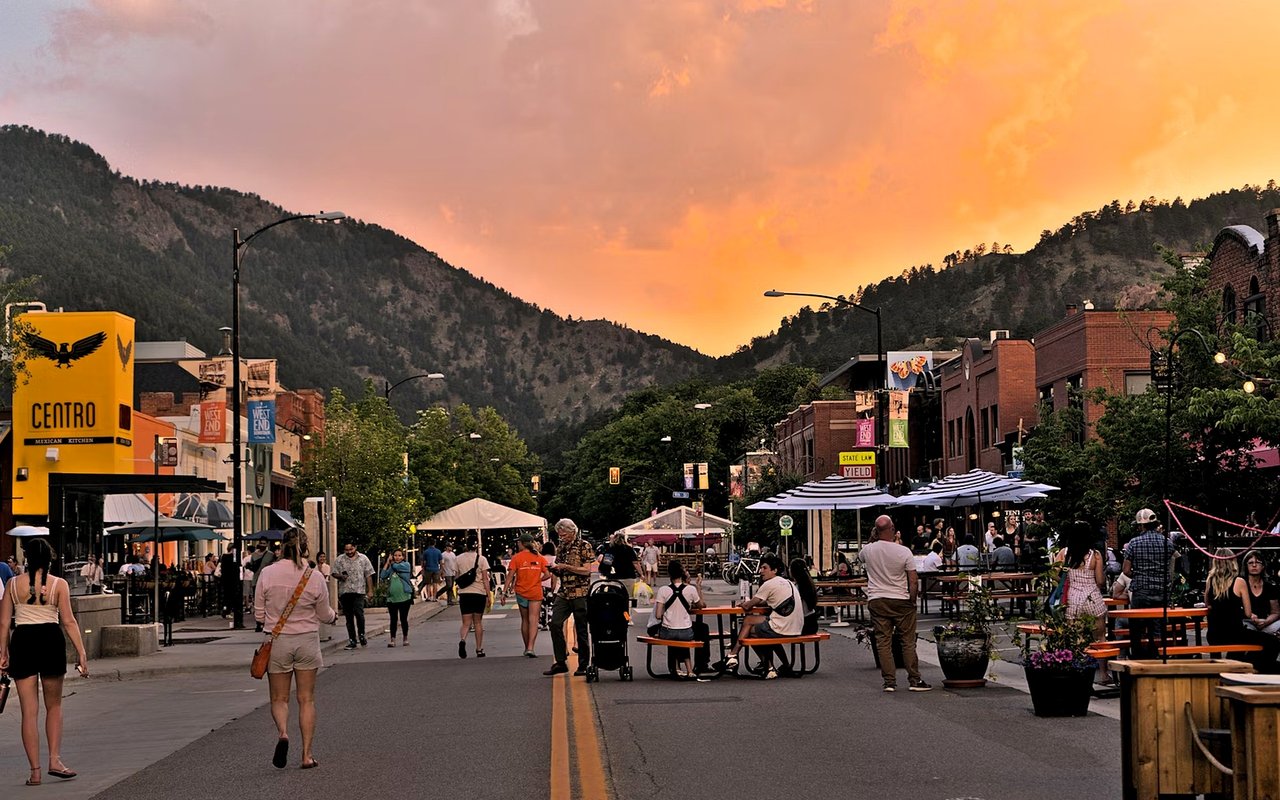
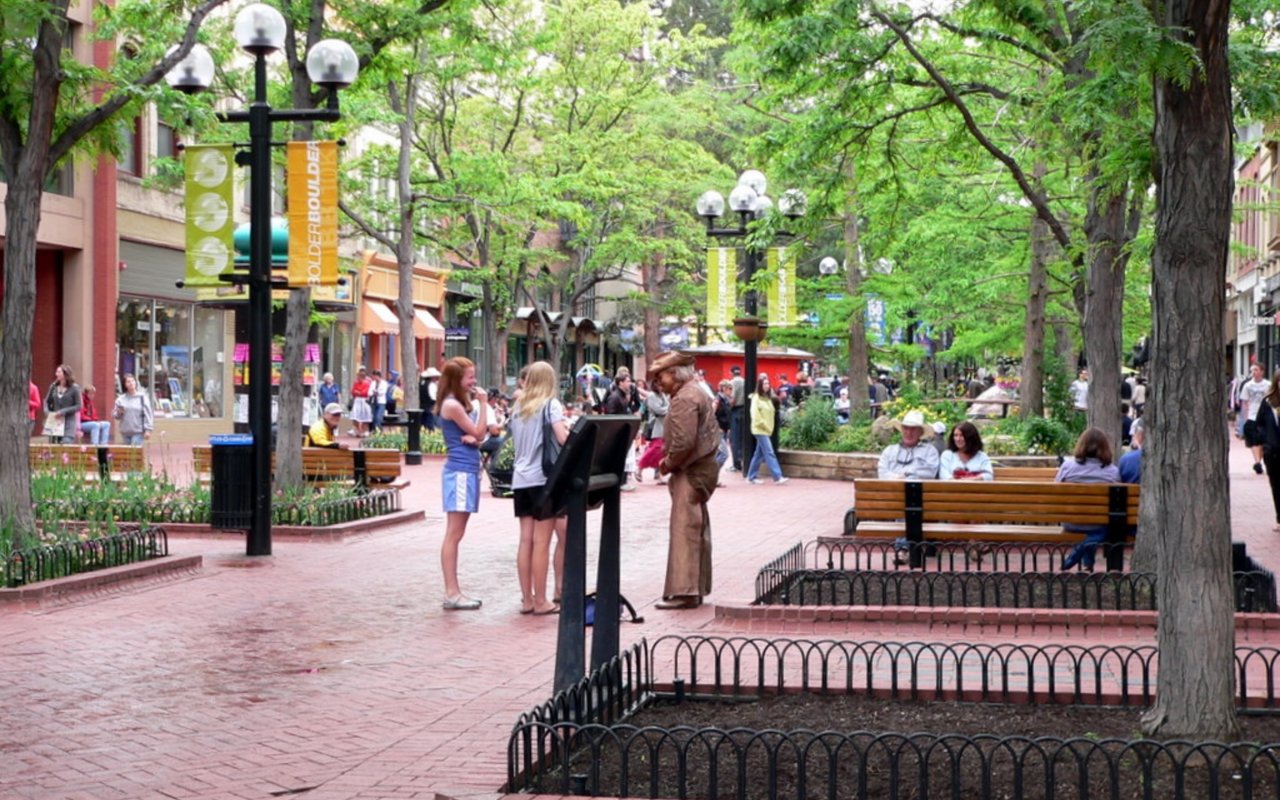
- $1.5M–$2.5M (Core Luxury): Highly competitive segment covering premium single-family homes in established Boulder neighborhoods, updated finishes, and walkability to Pearl Street or Chautauqua Park
- $2.5M–$5M (Upper Luxury): Custom construction and architecturally distinct homes, often with mountain views, larger lots, and outdoor living spaces designed around the Boulder lifestyle
- $5M+ (Ultra-Luxury): Off-market and discreet, with the highest-priced active listing in Boulder County reaching $29.7 million; this segment favors buyers who work with well-connected local agents
Current Market Conditions for Buyers
The Boulder luxury market has shifted in favor of buyers more than at any point in recent memory. Months of supply in the city of Boulder hit 5.27 in late 2025, pushing into buyer's market territory for the first time in years. Average days on market have extended to roughly 39 days, giving buyers time to evaluate properties without the pressure of overnight decisions.
Nearly 70% of homes have sold below asking price, and sellers who are serious about moving are now more willing to negotiate on both price and terms. That said, well-priced homes in the right locations are still generating buyer attention quickly. The gap between what moves and what sits is almost entirely explained by pricing discipline and presentation.
Nearly 70% of homes have sold below asking price, and sellers who are serious about moving are now more willing to negotiate on both price and terms. That said, well-priced homes in the right locations are still generating buyer attention quickly. The gap between what moves and what sits is almost entirely explained by pricing discipline and presentation.
What Buyers Are Finding Right Now
- More inventory at the $2M–$5M level than Boulder has seen in nearly a decade
- Sellers more open to inspection-related credits and closing cost contributions
- Less competition from multiple-offer scenarios, particularly above $2.5M
- Opportunity to secure properties in sought-after neighborhoods that rarely turn over
What Investors Need to Know About Boulder
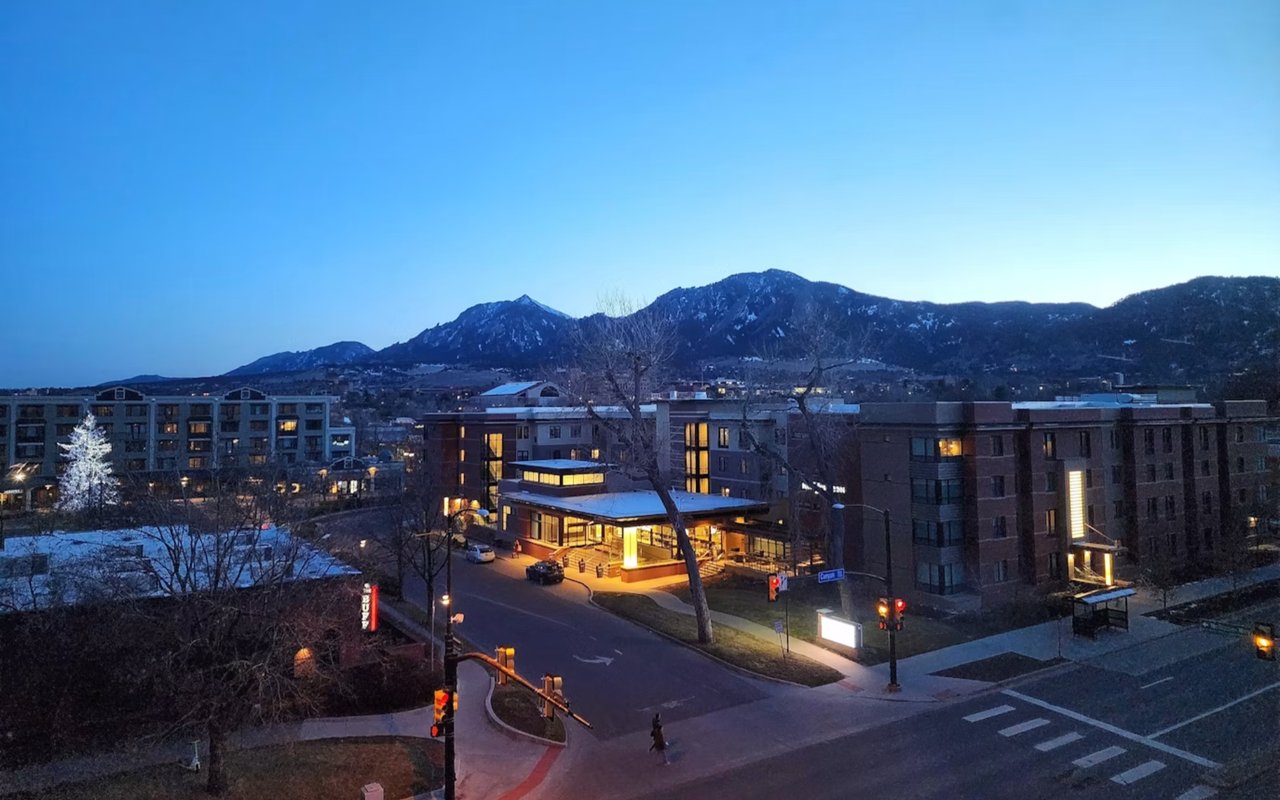
Boulder has long attracted real estate investors for reasons that go beyond near-term returns. The University of Colorado creates a structural rental demand floor that few comparable markets can match. Boulder's 45,000-plus acres of protected Open Space and Mountain Parks means the land supply surrounding the city is permanently constrained, which consistently supports long-term property values.
For investors evaluating Boulder in 2025, long-term rentals and value-add renovation strategies are the most defensible plays. The broader rental market benefits from a steady population of university affiliates, technology sector employees, and remote workers drawn to Boulder's quality of life. Flipping carries more risk in the current environment, where buyer preferences are specific and pricing has softened from peak levels.
For investors evaluating Boulder in 2025, long-term rentals and value-add renovation strategies are the most defensible plays. The broader rental market benefits from a steady population of university affiliates, technology sector employees, and remote workers drawn to Boulder's quality of life. Flipping carries more risk in the current environment, where buyer preferences are specific and pricing has softened from peak levels.
Why Boulder's Fundamentals Hold
- Land supply is permanently constrained by open space protections and green belt policies
- The University of Colorado employs thousands and generates sustained housing demand
- Boulder's tech sector and remote-work appeal continue attracting high-income residents
- Long-term appreciation history across Boulder County outperforms many comparable Front Range markets
Neighborhoods Driving Luxury Activity
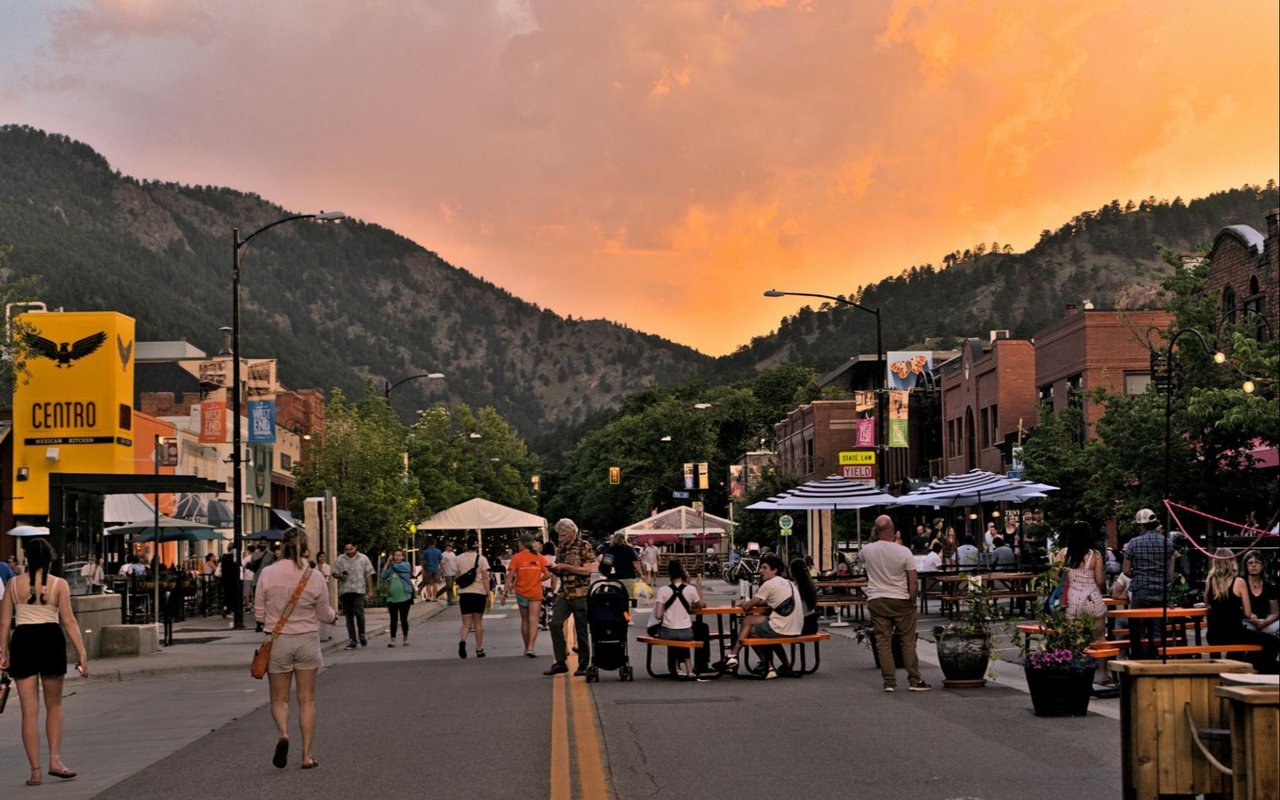
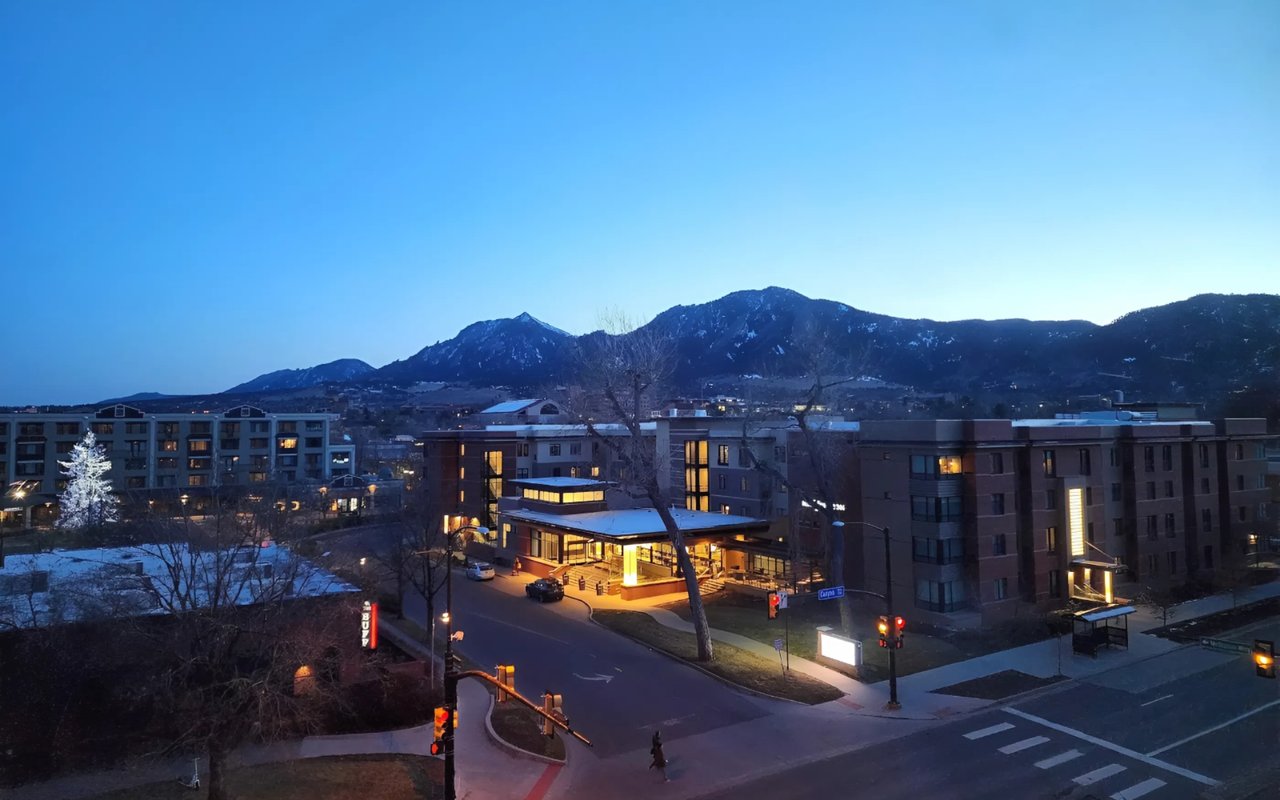
Certain Boulder neighborhoods are consistently capturing the most buyer attention in the luxury space. Mapleton Hill draws buyers who want historic architecture and walkability to downtown. Chautauqua offers direct Flatirons access and a neighborhood identity unlike anything else in Colorado. Pine Brook Hills and Wonderland Hills attract buyers looking for foothill privacy without sacrificing proximity to city amenities.
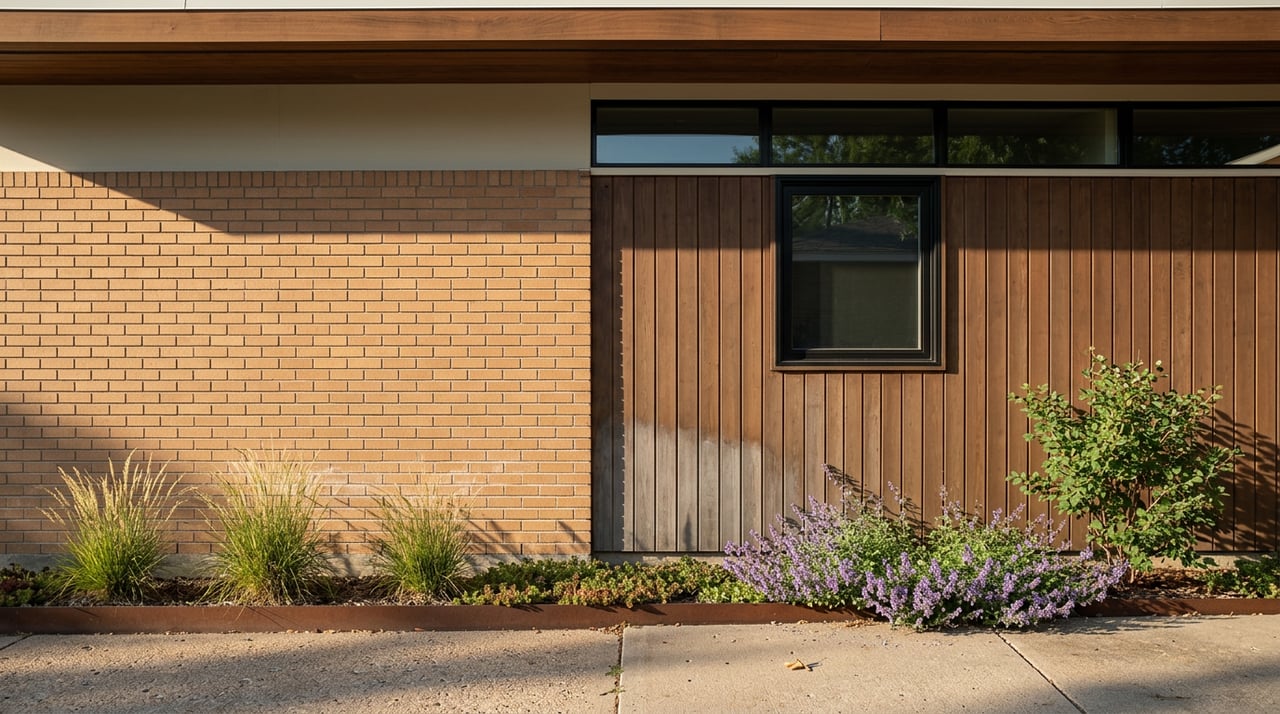
North Boulder has emerged as a more active segment for buyers seeking modern construction and open space access at relatively accessible luxury price points.
North Boulder has emerged as a more active segment for buyers seeking modern construction and open space access at relatively accessible luxury price points.
Neighborhoods to Watch
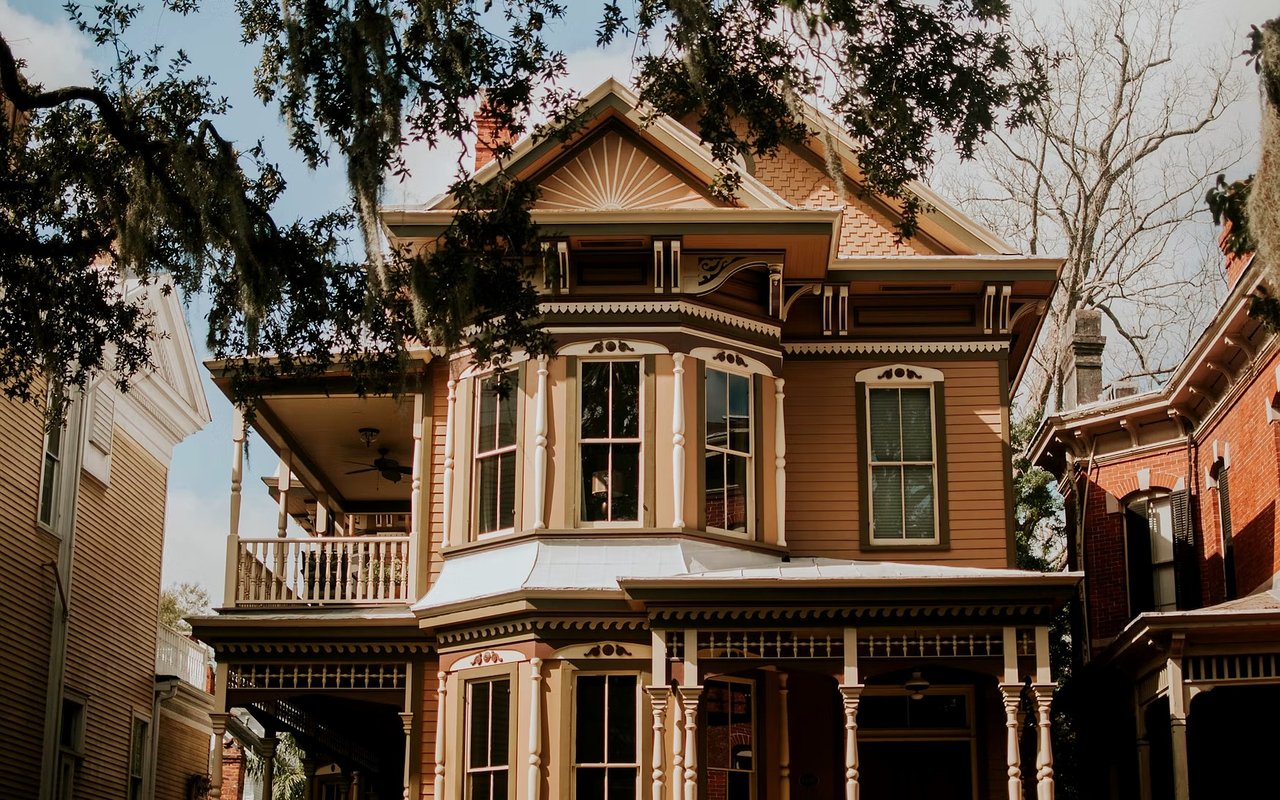
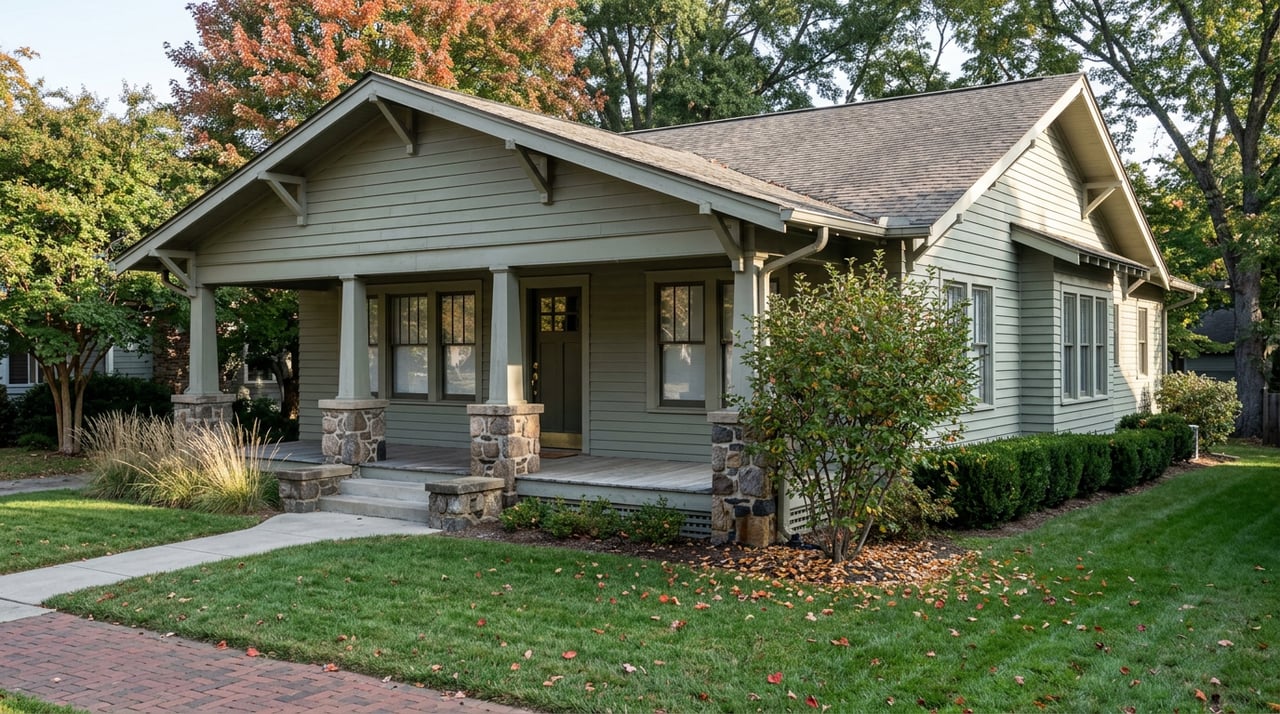
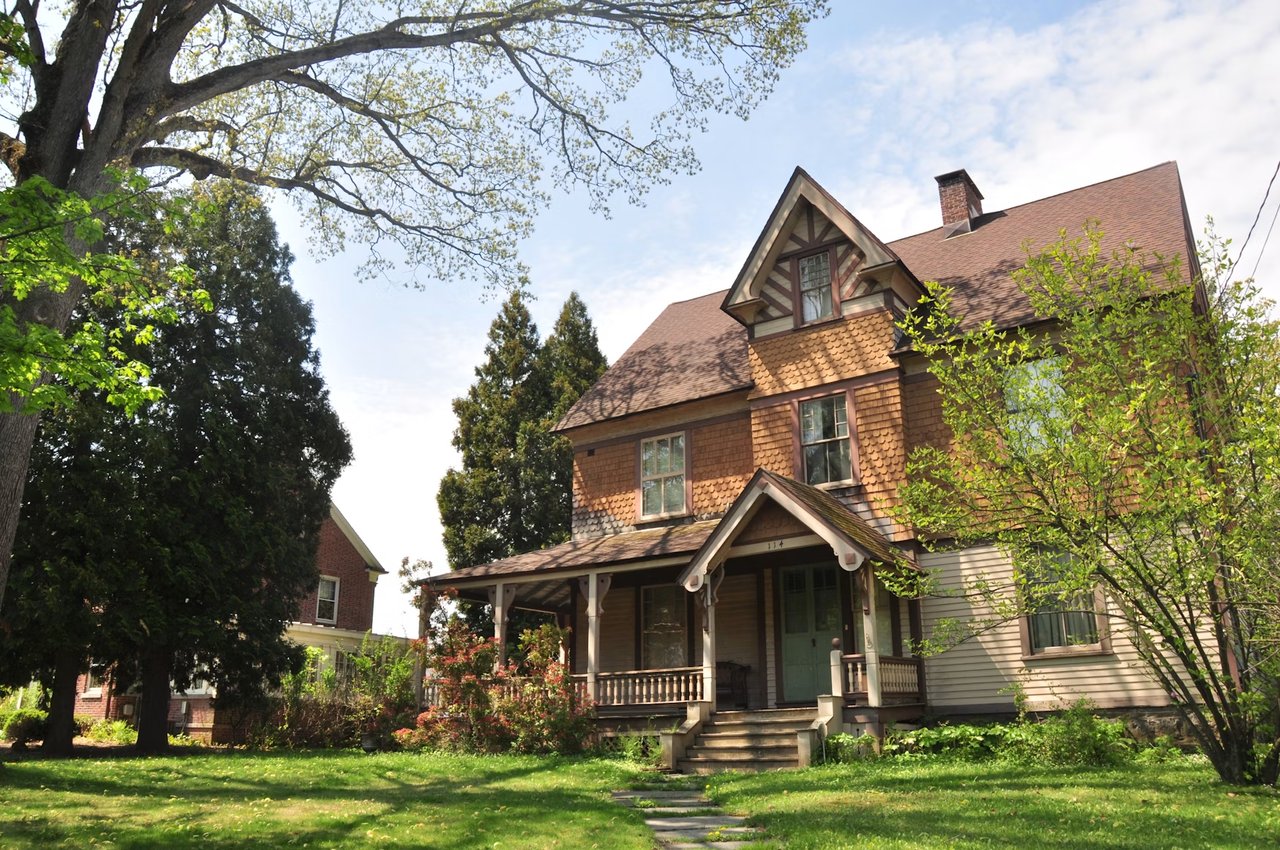
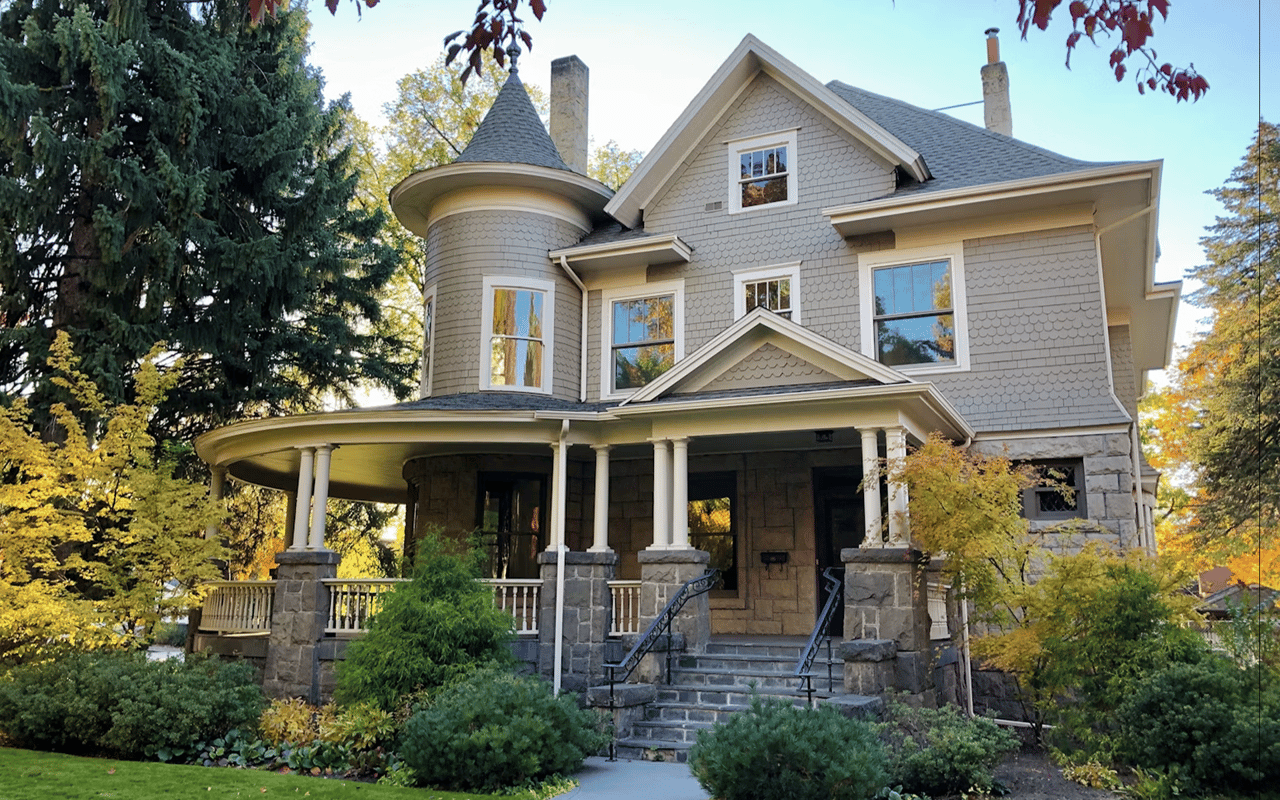
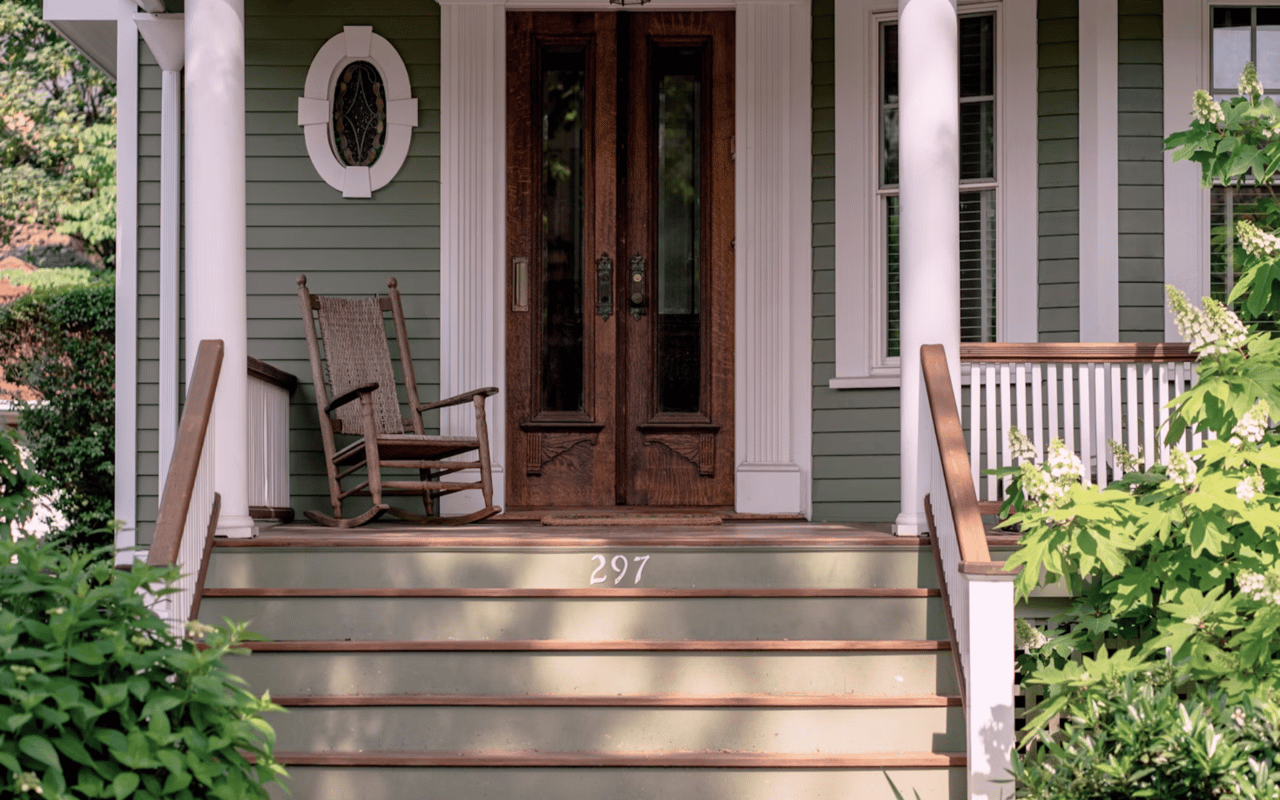
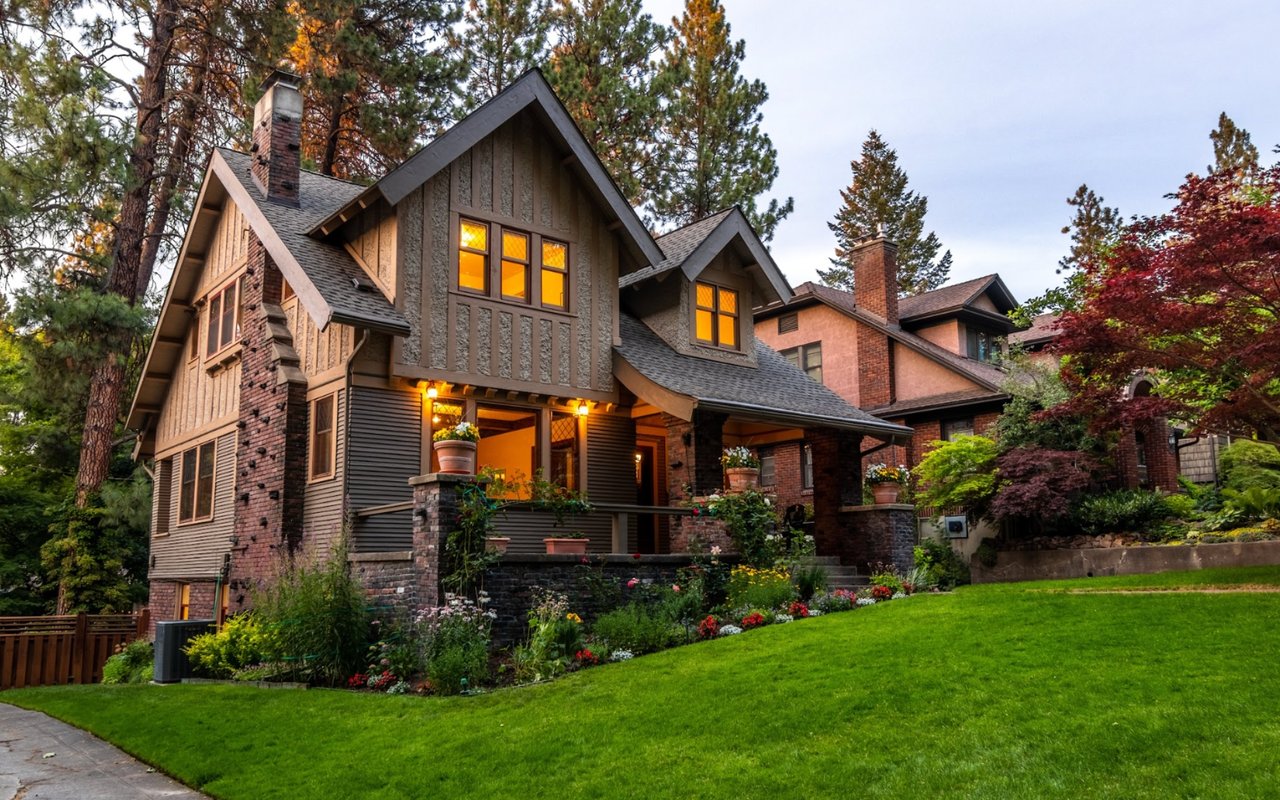
- Mapleton Hill: Victorian and Craftsman-era homes with strong walkability and consistent demand
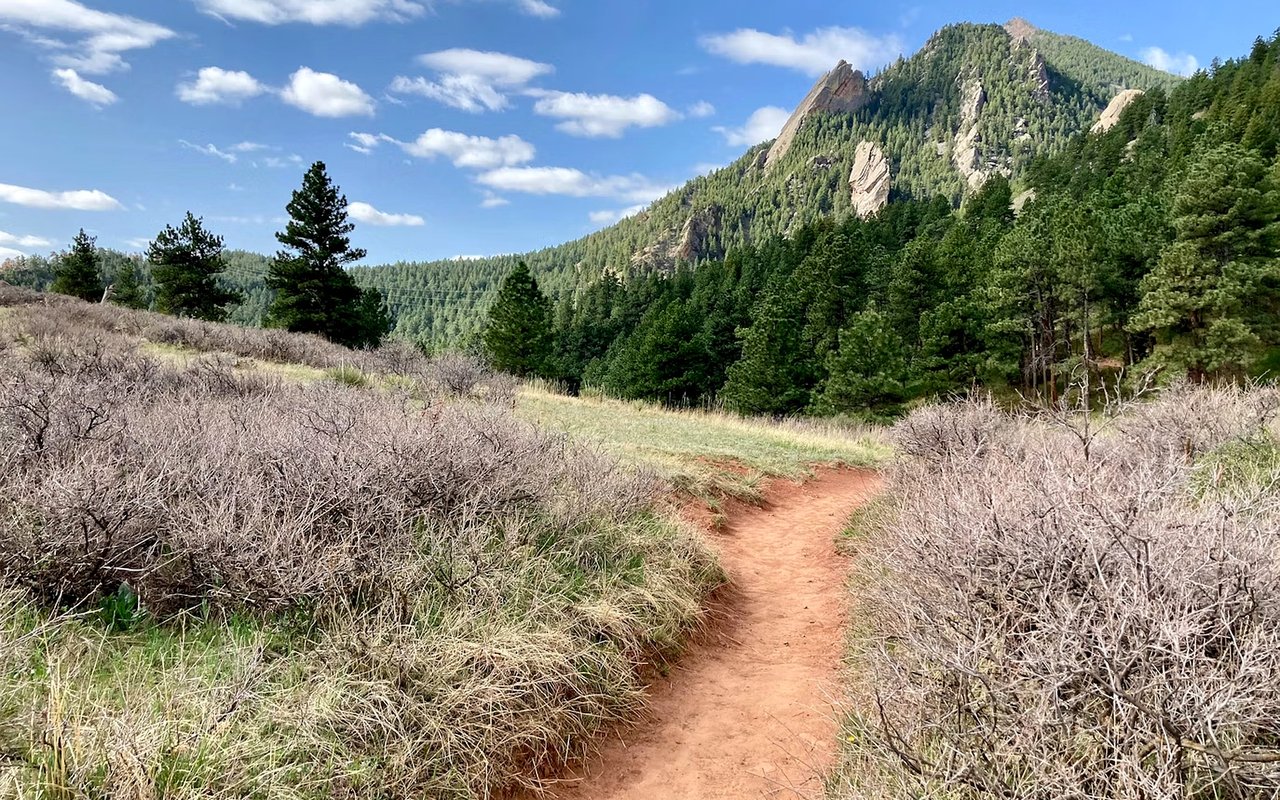
- Chautauqua: Historic character and immediate access to the Chautauqua trailhead system
- Pine Brook Hills: Foothill seclusion with panoramic views and larger parcels
- Wonderland Hills: Quieter, elevated position with mountain views and strong appreciation history
- North Boulder: A newer generation of luxury product at slightly more accessible price points
Frequently Asked Questions
Is Boulder a good market for real estate investment right now?
Boulder's long-term fundamentals around constrained land supply, university-driven rental demand, and consistent high-income in-migration make it a defensible long-term investment market. The current environment favors buyers willing to hold for the long term rather than those expecting quick appreciation.
What price range defines luxury real estate in Boulder?
As of mid-2025, the luxury threshold in Boulder County begins at $1.5 million, based on local market benchmarks. The $2.5M–$5M segment is the most active tier in the upper market, while ultra-luxury homes above $5M represent a smaller, more specialized segment.
How long are homes sitting on the market in Boulder's luxury segment?
The average days on market across Boulder is currently around 39 days, though this varies significantly by price point and neighborhood. Well-priced homes in high-demand areas like Mapleton Hill and Chautauqua often move faster than the overall average.
Work With a Boulder Luxury Real Estate Expert
Boulder's luxury market rewards buyers and investors who understand its nuances across neighborhoods, price dynamics, and the off-market opportunities that never appear on public listing platforms. As a 23-year Boulder resident with a background in law and engineering, I bring analytical precision and genuine local knowledge to every transaction.
Whether you are buying for lifestyle, investment, or both, I can help you position your search and your offer strategically. Reach out to me to learn more about how I work with luxury buyers and investors in Boulder.
Whether you are buying for lifestyle, investment, or both, I can help you position your search and your offer strategically. Reach out to me to learn more about how I work with luxury buyers and investors in Boulder.