By Kim Hullett
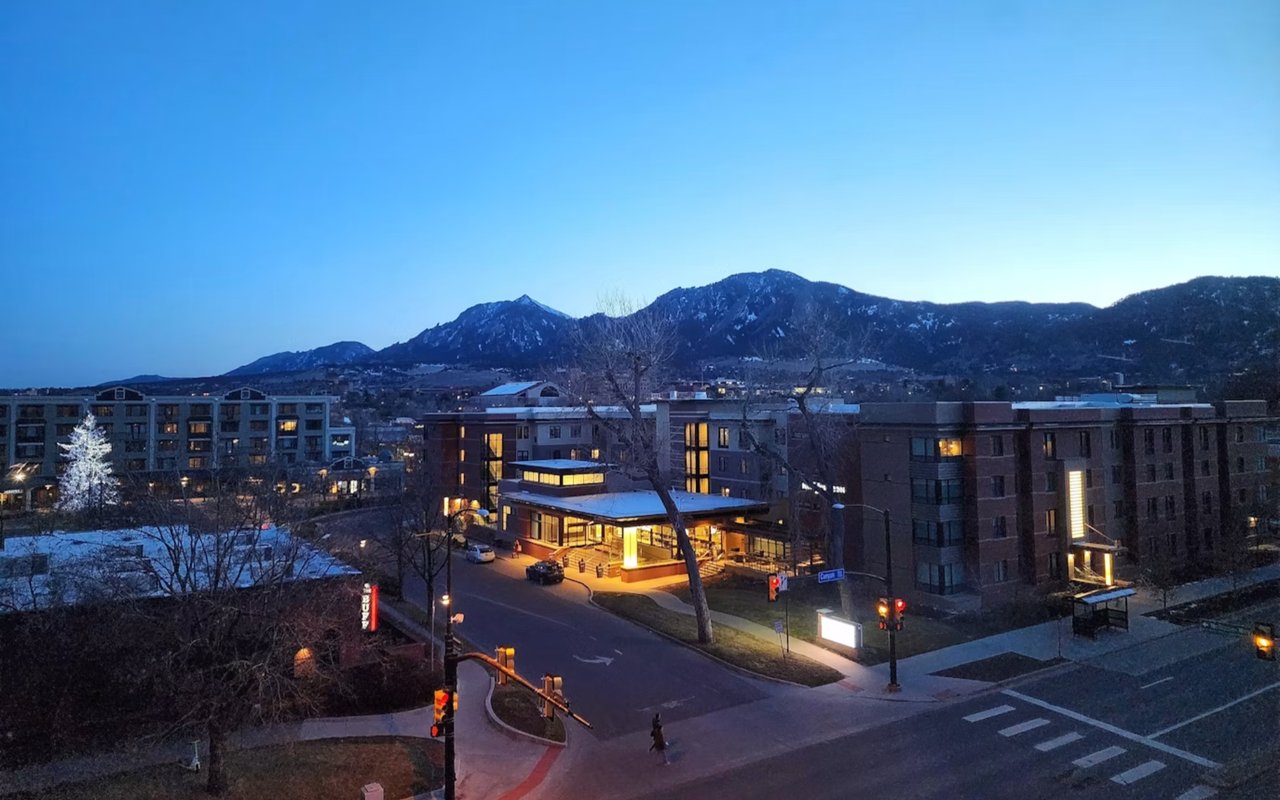
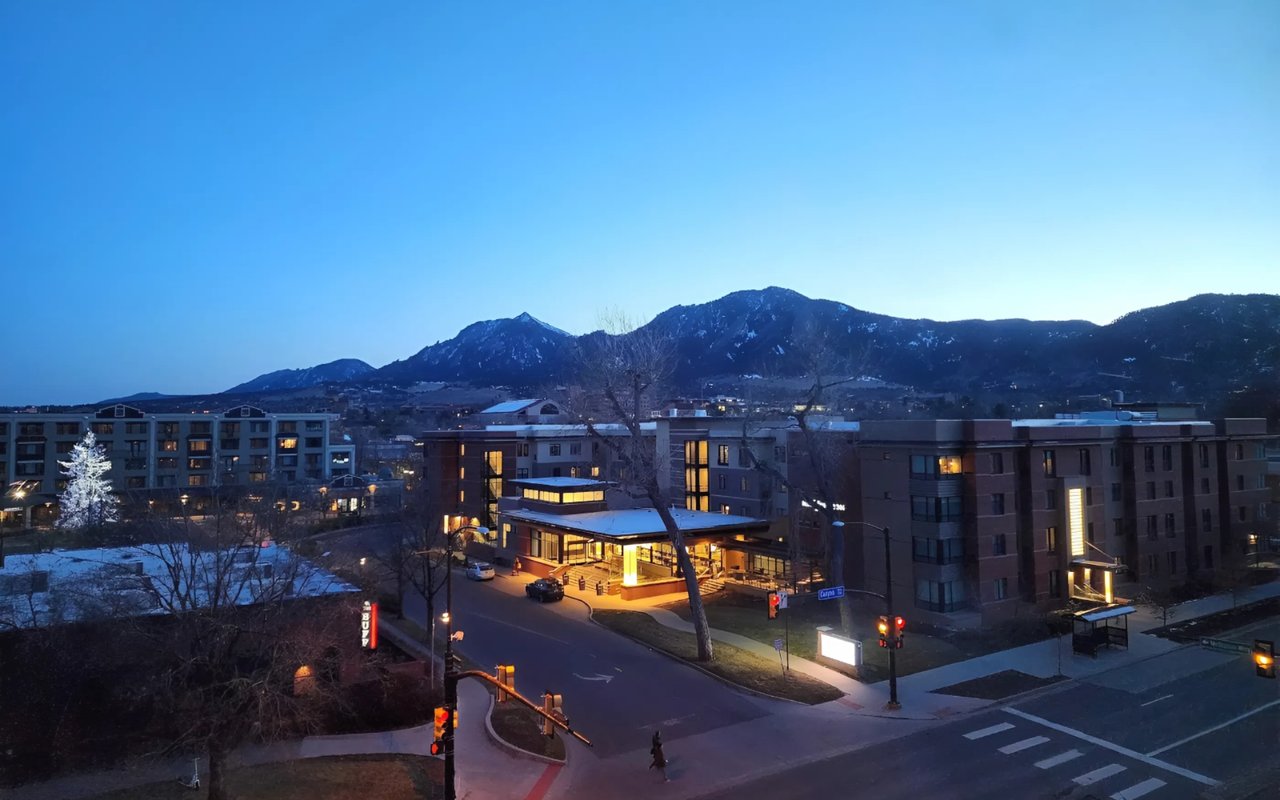
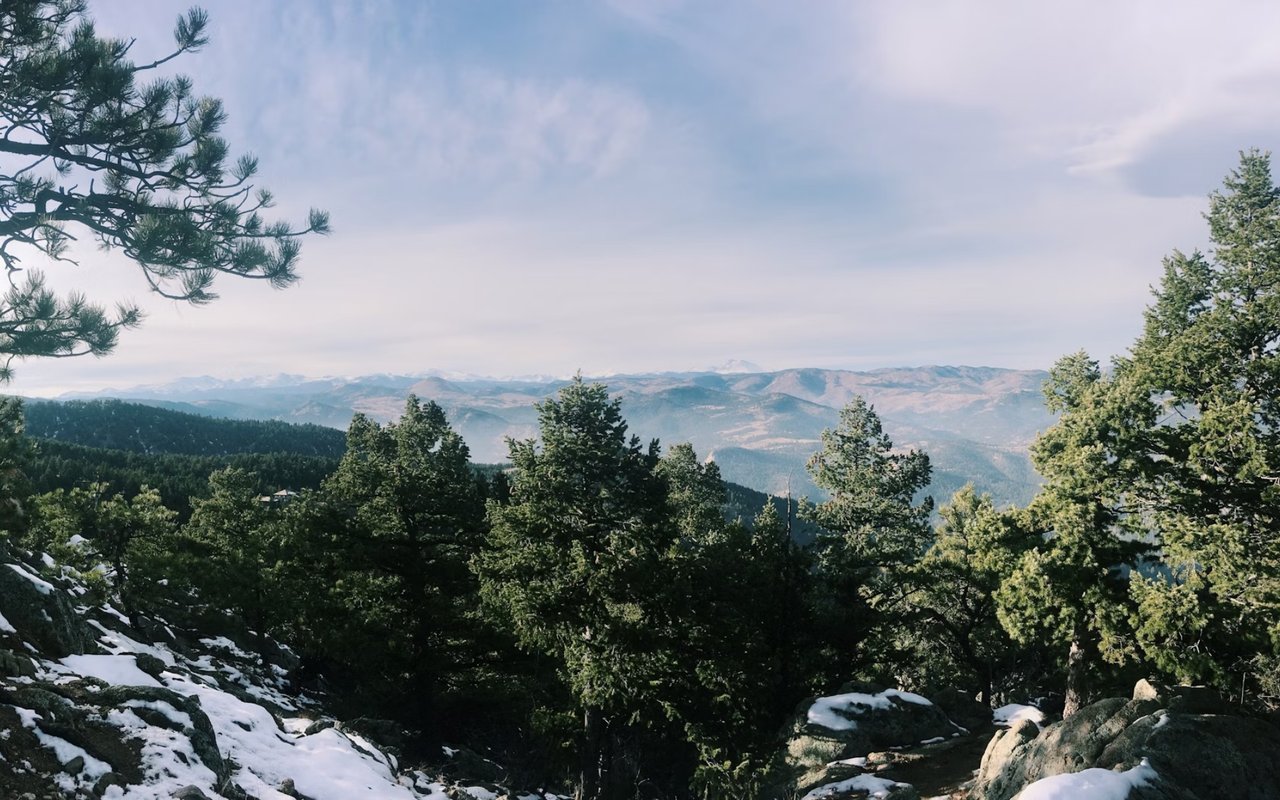
People who relocate to Boulder tend to stay in Boulder. After 23 years here, I understand why. This is a city that consistently delivers on what attracts people in the first place — access to extraordinary outdoor spaces, a strong local economy, a genuine arts and culture scene, and a quality of life that is genuinely hard to replicate elsewhere. That said, relocating here requires honest preparation. Boulder is one of the most expensive cities in Colorado, and the market moves in ways that reward buyers who come in with a clear-eyed understanding of what they are entering. This guide covers what I tell every relocation client before they start their search.
Key Takeaways
- Boulder's cost of living runs roughly 41% above the national average, with housing as the largest single expense
- The median home price in Boulder sits near $945,000, with single-family homes averaging closer to $1.5 million
- Boulder's economy is anchored by the University of Colorado, aerospace, biotech, and technology sectors including major employers like Ball Aerospace and Google
- Neighborhoods vary significantly in character, price, and proximity to open space — choosing the right one matters as much as finding the right home
Understanding Boulder's Cost of Living
Relocating to Boulder requires an honest look at what it costs to live here. The city's cost of living runs approximately 41% above the national average and about 17% above the Colorado state average. Housing accounts for the largest portion of that premium, but groceries, transportation, and general daily expenses all track above national norms as well.
For buyers, the median home price in Boulder currently sits near $945,000, with single-family homes averaging around $1.5 million and condominiums around $460,000. Rental costs for a one-bedroom apartment in central Boulder run between $1,900 and $2,100 per month. These numbers are the starting point, not the ceiling. In the neighborhoods that attract the most relocation interest — Mapleton Hill, Chautauqua, Pine Brook Hills — prices move well above the city median.
What to Budget for When Relocating to Boulder
- Housing: Median home price near $945,000 citywide; luxury single-family homes routinely above $2M in high-demand neighborhoods
- Rent: One-bedroom apartments average $1,947 per month; two-bedrooms average $2,600 per month in current market conditions
- Utilities: Average monthly utility costs for a mid-size home run $180 to $220 per month
- Groceries and daily expenses: Both track above national averages; plan for roughly 25 to 30% more than you might spend in a mid-cost-of-living city
- Transportation: Boulder is one of the most bike-friendly cities in the country, and many residents reduce or eliminate car dependence entirely for daily errands and commuting within the city
Boulder's Economy and Job Market
Boulder's economy is meaningfully more diverse than most cities of its size, which is one of the structural reasons the housing market holds its value through broader economic cycles. The University of Colorado anchors a significant portion of local employment across education, research, and healthcare. The aerospace sector is substantial — Ball Aerospace is headquartered in Boulder, and the presence of federal research institutions including NOAA and NIST adds further stability.
The technology sector has grown considerably over the past two decades. Google, IBM, and a broad ecosystem of startups and scale-ups have established meaningful presences in Boulder, drawn by the quality of the local talent pool and the quality of life that makes recruiting and retaining employees easier. The outdoor and wellness industries also represent a meaningful employment base, with numerous companies in fitness, outdoor gear, and health-focused consumer brands headquartered in or around the city.
Boulder's Major Employment Sectors
- University of Colorado Boulder: One of the city's largest employers, with a reach across education, research, healthcare, and administration
- Aerospace and defense: Ball Aerospace, NOAA, NIST, and related contractors form a substantial and stable employment base
- Technology: Google, IBM, and a large ecosystem of startups across software, data, and clean energy
- Outdoor and wellness industries: Numerous brands in fitness, outdoor gear, and health-focused consumer products are headquartered in Boulder County
- Biotech and life sciences: A growing sector drawing researchers and executives from across the country
Neighborhoods Worth Knowing Before You Search
Boulder is best understood as a collection of distinct micro-markets rather than a single city with uniform character and pricing. Choosing the right neighborhood is as consequential as choosing the right home, and the differences between areas are real — in price, lifestyle, proximity to open space, and overall feel.
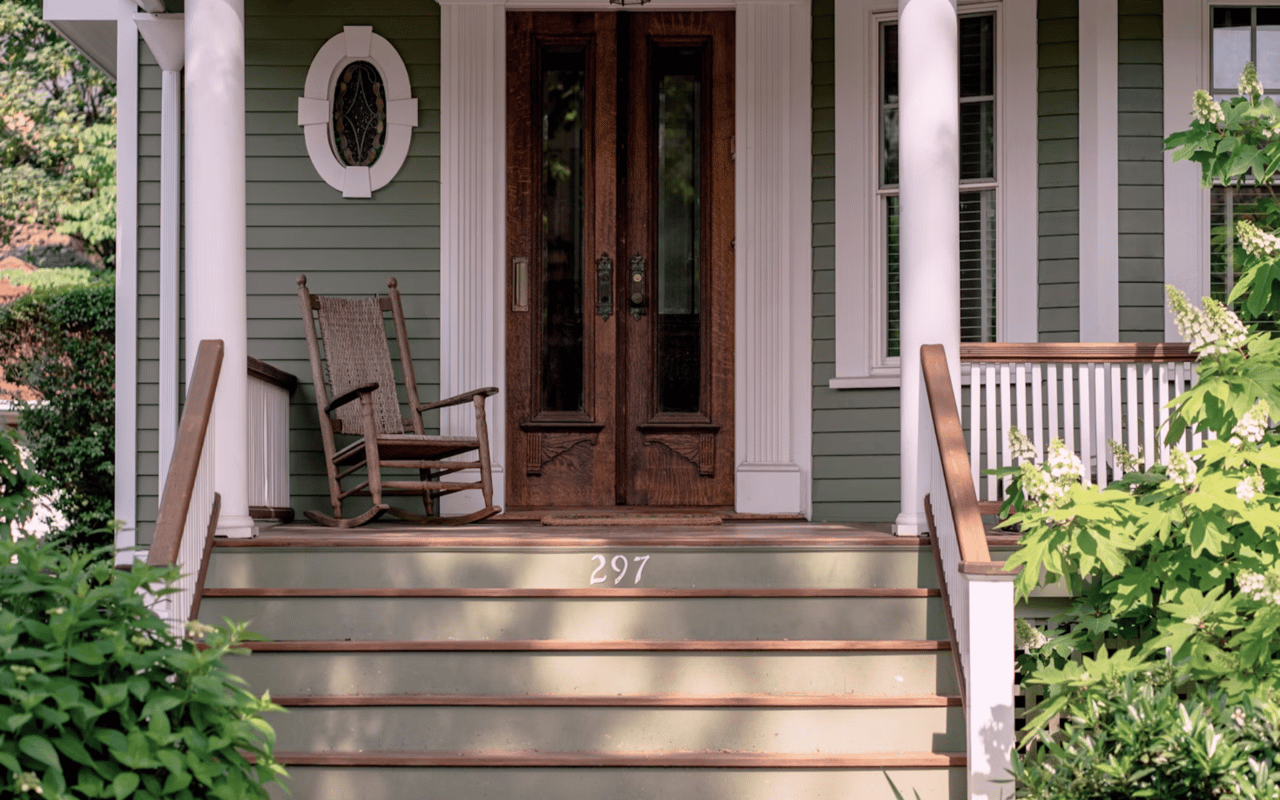
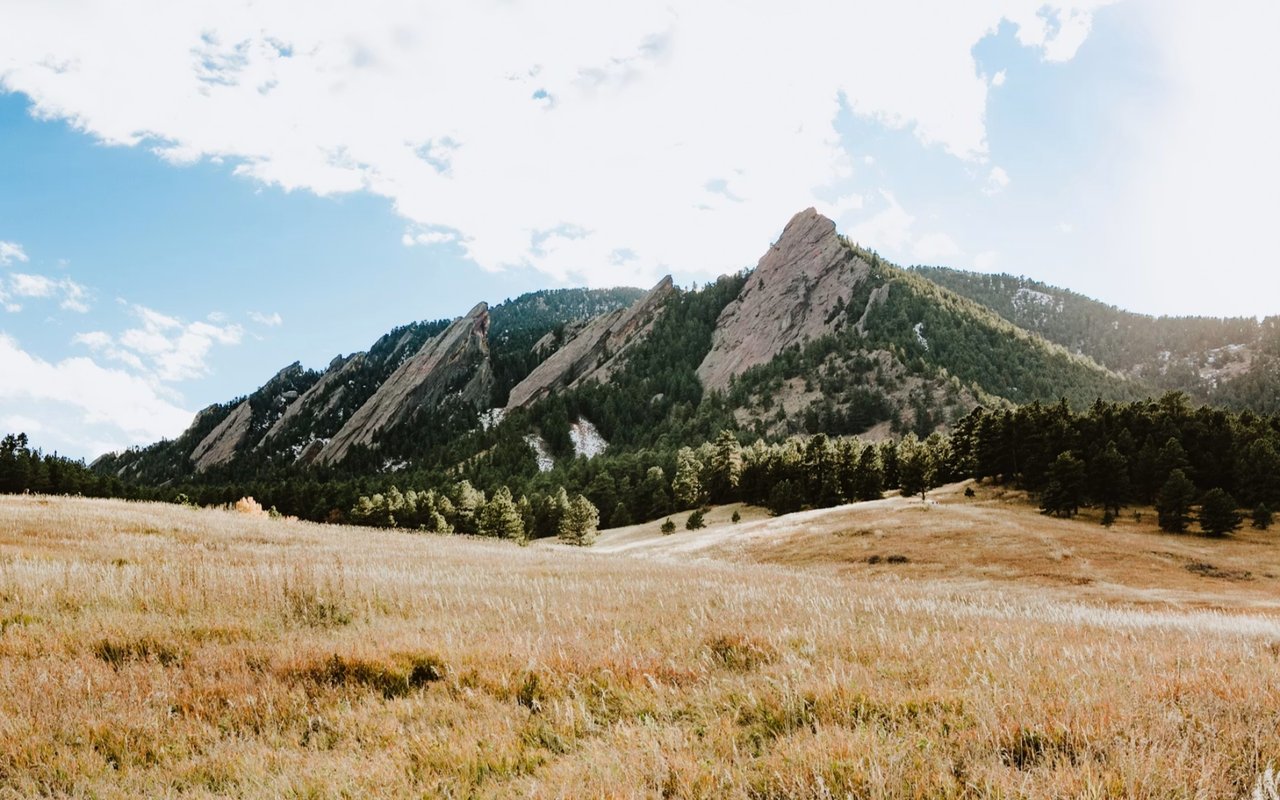
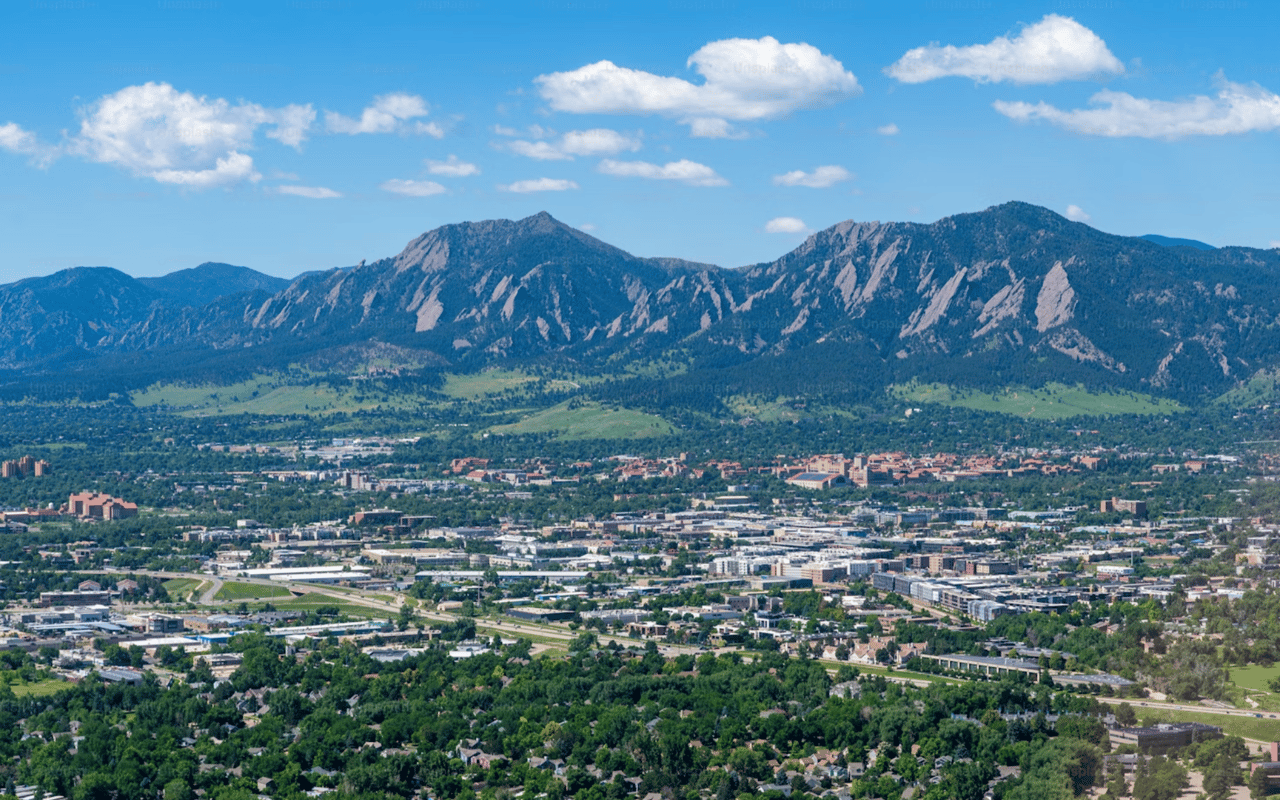
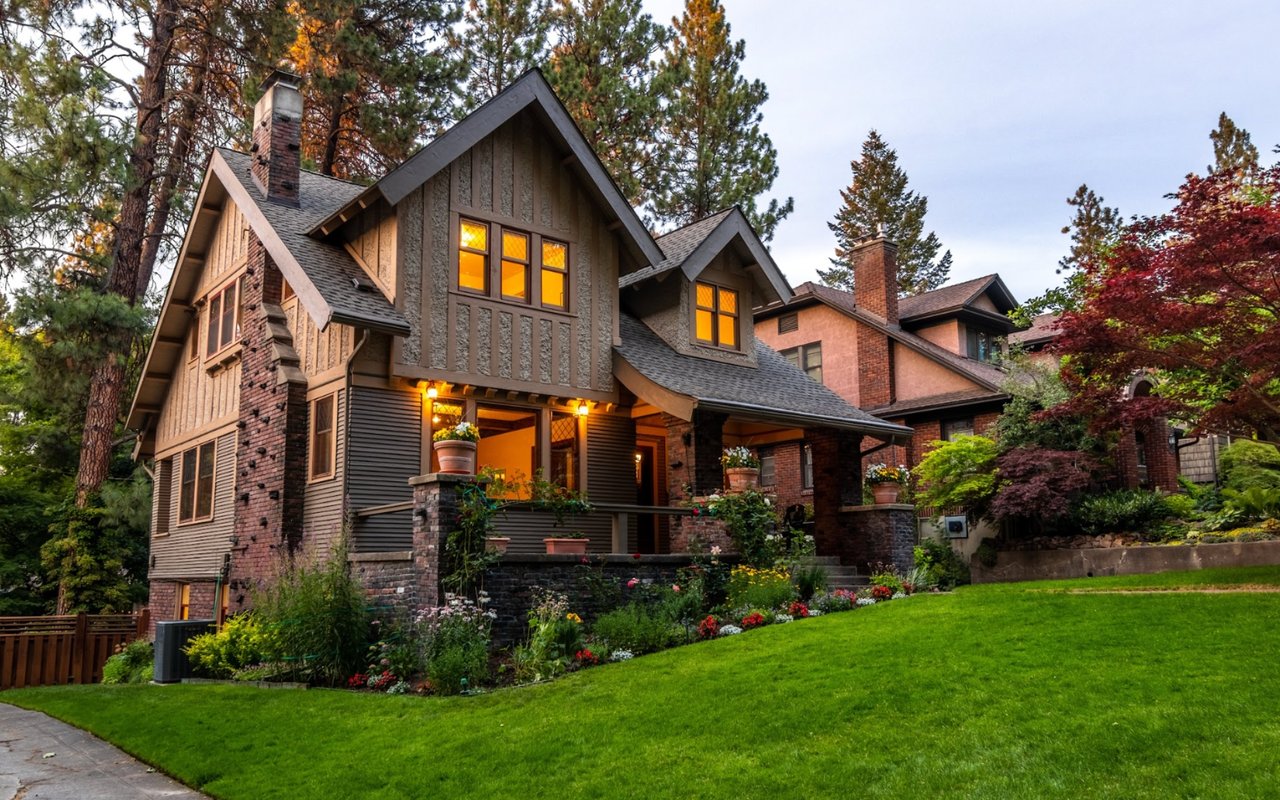
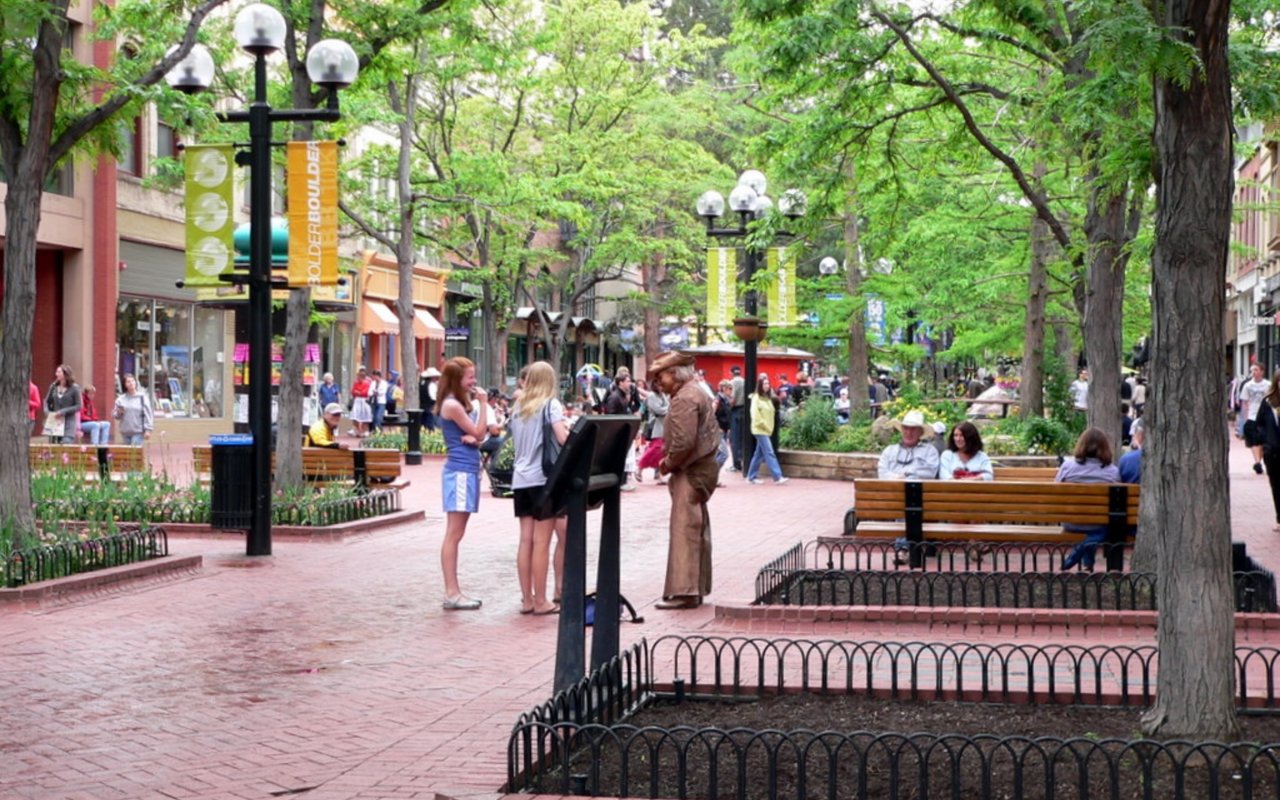
Mapleton Hill is Boulder's most historic residential neighborhood, with homes dating from the 1870s through the early 20th century. It offers walkability to Pearl Street, architectural character that is genuinely rare, and consistent demand from buyers who prioritize place over square footage. Chautauqua sits at the base of the Flatirons and is the closest a buyer can get to direct trail access from a residential address. Pine Brook Hills and Wonderland Hills offer foothill seclusion with panoramic views and larger parcels than you will find in the city proper. North Boulder has matured into a creative and more accessible neighborhood with modern housing stock and strong community infrastructure.
Boulder Neighborhoods by Character and Price Point
- Mapleton Hill: Historic Victorians and Craftsman homes, walkable to downtown; among the most sought-after and consistently priced addresses in the city
- Chautauqua: Immediate access to the Chautauqua Trailhead and Flatirons routes; significant premiums for proximity to open space and iconic views
- Pine Brook Hills: Foothill location with larger lots, mountain views, and a quieter, more secluded residential character
- Wonderland Hills: North Boulder elevation with open space adjacency and strong appreciation history
- North Boulder (NoBo): More accessible price points, creative neighborhood identity, modern housing stock, and proximity to the North Boulder Art District
The Real Estate Market: What Relocation Buyers Need to Know
Boulder's real estate market is currently more favorable for buyers than it has been in several years. With months of supply in the city sitting above five, average days on market extended to roughly 39 to 51 days depending on the source, and nearly 70% of homes selling below asking price, buyers have more time and more leverage than was available during the peak years of 2020 through 2022.
That said, well-priced, well-positioned homes still generate buyer interest quickly. The market rewards preparation. Buyers who arrive in Boulder with pre-approval, a clear neighborhood priority list, and a realistic budget relative to what the city's desirable areas actually cost tend to find what they are looking for. Buyers who come expecting Denver prices in Boulder neighborhoods are consistently surprised.
What Relocation Buyers Should Prepare For
- Pre-approval at a realistic price point before beginning active search; Boulder's market moves faster than many relocation buyers expect on well-priced properties
- A clear understanding of which neighborhoods align with your lifestyle priorities — open space access, walkability, new construction, and historic character are all available but rarely in the same address
- Budget for closing costs, inspection, and post-purchase setup that reflects Boulder's premium market — these line items scale with the purchase price
- A realistic timeline: plan for 60 to 90 days from active search to close under current market conditions, though well-priced homes can still move in two to three weeks
FAQs
Is Boulder a good place to relocate for remote workers?
Yes, consistently. Boulder has been one of the most successful markets for remote worker in-migration over the past several years, drawn by the outdoor lifestyle, quality of life, and the fact that a strong local economy means professional social infrastructure exists even for those not working locally. High-speed internet access is broadly available, and co-working spaces are well-established across the city.
What is the best time of year to buy a home in Boulder?
August through December has historically offered buyers the most favorable conditions — higher relative inventory, less competition, and greater willingness among sellers to negotiate. Spring and early summer tend to favor sellers. That said, in Boulder's current balanced-to-buyer market, well-qualified buyers can find opportunities across the calendar.
How does Boulder compare to Denver for relocation buyers?
Boulder offers a distinctly different lifestyle proposition — closer to open space, smaller city scale, stronger outdoor culture, and a more cohesive neighborhood identity across most areas. It is significantly more expensive than Denver on a per-square-foot basis. Buyers who prioritize the Flatirons proximity, the Pearl Street walkability, and the specific character of Boulder's established neighborhoods consistently find the premium justified. Those who prioritize lower price points without lifestyle compromise are often better served by Louisville, Erie, or Longmont, all of which are within a reasonable commute of Boulder.
Find Your Boulder Home With Kim Hullett
Relocating to a new city requires someone who knows it well enough to tell you the truth about each neighborhood, each price point, and each tradeoff before you commit. I have lived in Boulder for 23 years, and I work with relocation buyers regularly — both those arriving from other Colorado markets and those making longer moves from across the country.
Reach out to me to learn more about how I help relocation buyers find the right home in Boulder.