By Kim Hullett
Pricing a luxury home in Boulder correctly from the start is one of the most consequential decisions in the selling process. The initial list price determines how buyers respond, how long the home sits, and ultimately what it sells for. At the luxury level, where the buyer pool is smaller and more deliberate than at lower price points, the margin for error is narrower than most sellers expect.
Key Takeaways
-
The luxury buyer pool in Boulder is smaller and more deliberate than at lower price points — pricing to that specific market requires hyperlocal data, not broad market averages
-
Average days on market in the City of Boulder reached 121 days in January 2026, the highest level in the past decade — a market condition that rewards correctly priced listings and punishes aspirational ones
-
Months supply for homes above $2 million in Boulder rose to 6.5 months in early 2026 — meaning well-priced listings face real competition from other sellers
-
Spring (late February through May) is Boulder's peak buyer season and typically produces the strongest pricing outcomes for well-positioned listings
Start With Comparable Sales, Not Aspiration
The foundation of any pricing strategy is a Comparative Market Analysis — a review of what similar homes in your specific Boulder neighborhood have sold for, ideally within the past three to six months. At the luxury level, comps require more scrutiny than at lower price points because the pool of truly comparable sales is thinner. A home on the western side of Table Mesa with Flatirons views does not price the same as a similar-sized home in Gunbarrel with no views, even if the square footage matches.
A CMA for a Boulder luxury home should account for price per square foot — which averaged $622 for homes in the $2 million to $5 million range as of August 2025 — recent sold prices versus list prices, and how long comparable properties sat before going under contract. These figures vary by neighborhood, condition, and view orientation, which is why hyperlocal data matters more than citywide averages.
A CMA for a Boulder luxury home should account for price per square foot — which averaged $622 for homes in the $2 million to $5 million range as of August 2025 — recent sold prices versus list prices, and how long comparable properties sat before going under contract. These figures vary by neighborhood, condition, and view orientation, which is why hyperlocal data matters more than citywide averages.
What a Competitive Analysis Should Include
-
Sold prices for comparable homes in your specific neighborhood within the past three to six months
-
Price per square foot by property type and location — not citywide averages
-
Days on market for comparable listings, including those that required price reductions before selling
-
Months supply in your price tier: homes above $2 million in Boulder carried 6.5 months of supply as of early 2026
-
Active competition currently on the market that your listing will be measured against
The Cost of Overpricing in Boulder's Luxury Market
The instinct to price high and negotiate down is one of the most predictable mistakes in luxury real estate, and it is particularly costly in Boulder's current market. Homes priced above what the data supports tend to sit, and once a listing accumulates days on market, buyers begin to assume something is wrong with the property rather than identifying the price as the problem.
When a price reduction becomes necessary, it signals to the market that the original price was aspirational rather than supported. Buyers who were previously interested often use that signal to negotiate more aggressively than they would have against a correctly priced original listing. Average days on market in the City of Boulder reached 121 days in January 2026, the highest level in a decade. The cost of sitting is real and measurable.
The right price is not the lowest price. It is the price that attracts qualified buyers and creates the conditions for a clean, well-structured negotiation.
When a price reduction becomes necessary, it signals to the market that the original price was aspirational rather than supported. Buyers who were previously interested often use that signal to negotiate more aggressively than they would have against a correctly priced original listing. Average days on market in the City of Boulder reached 121 days in January 2026, the highest level in a decade. The cost of sitting is real and measurable.
The right price is not the lowest price. It is the price that attracts qualified buyers and creates the conditions for a clean, well-structured negotiation.
What Overpricing Typically Produces
-
Extended days on market and increased carrying costs
-
Price reduction stigma — buyers treat a reduction as a signal to look more closely for problems
-
Exclusion from buyer search filters set below the listing price
-
Reduced negotiating leverage once the listing has accumulated significant market time
Boulder's Hyperlocal Pricing Variables
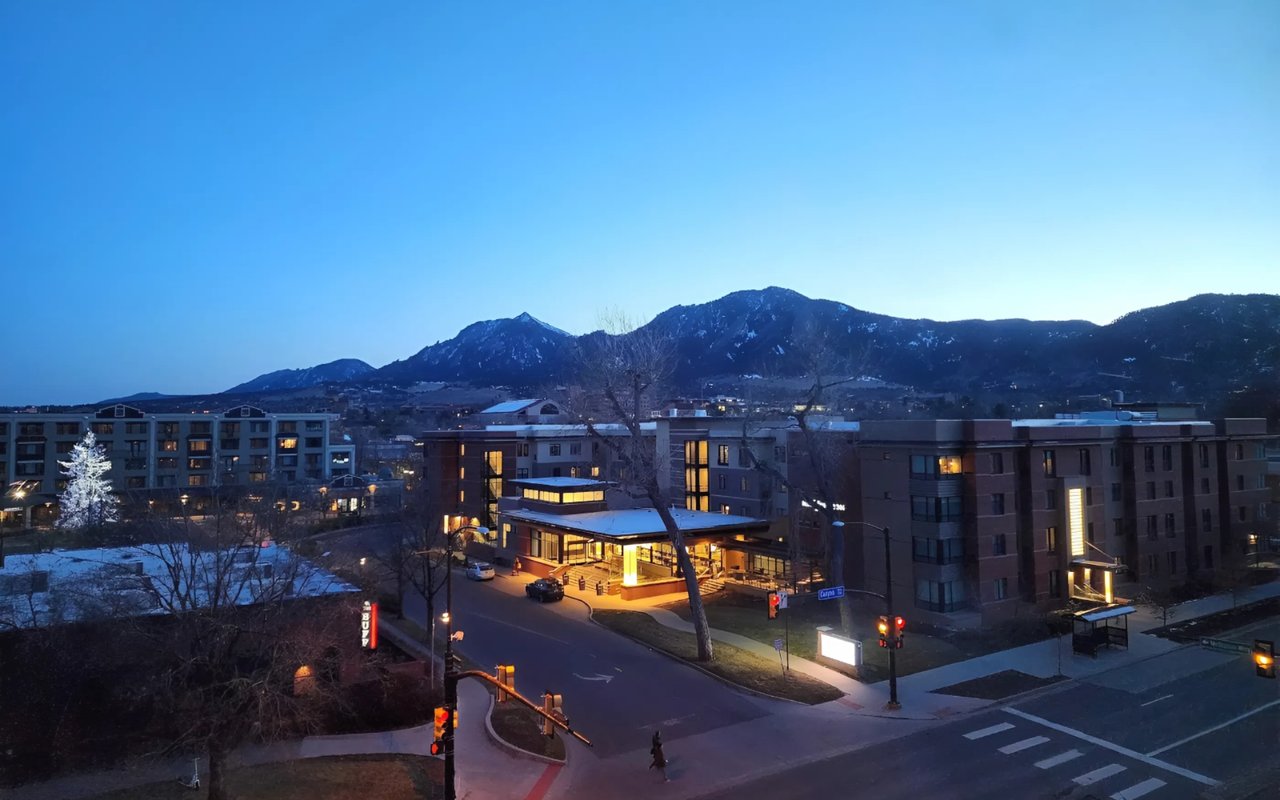
Boulder's market does not price uniformly. The factors that drive premium pricing in this city are specific: Flatirons or mountain views, proximity to open space and trail access, lot size, outdoor living capacity, and finish quality. Two homes with identical square footage can differ substantially in price based on view orientation alone.
At the luxury level, the appraisal process adds another layer of complexity. If a buyer is financing part of the purchase, the appraisal must support the contract price. Pricing a home well above recent comparable sales creates appraisal risk — which can require the buyer to make up the difference in cash or force a renegotiation at closing. For sellers, avoiding that gap starts with a list price the data can support from the beginning.
At the luxury level, the appraisal process adds another layer of complexity. If a buyer is financing part of the purchase, the appraisal must support the contract price. Pricing a home well above recent comparable sales creates appraisal risk — which can require the buyer to make up the difference in cash or force a renegotiation at closing. For sellers, avoiding that gap starts with a list price the data can support from the beginning.
The Variables That Drive Premium Pricing in Boulder
-
View orientation: Flatirons and mountain views consistently command a premium over comparable homes without them
-
Open space and trail adjacency: direct access or proximity to Boulder's open space trail network is priced into the market
-
Lot size and outdoor living: usable outdoor space is a primary value driver at the luxury level
-
Condition and renovation quality: luxury buyers are attentive to finish quality and any sign of deferred maintenance
Seasonal Pricing Considerations
The season a home enters the market affects what price it can realistically achieve, not just how quickly it sells. Spring — late February through May — is when Boulder's buyer pool is largest and most active. A home priced at the upper end of what its comps can support has the best chance of achieving that price in spring, when competition among buyers is highest. The same price point in August, when inventory has built and buyer traffic has thinned, faces a harder test.
Fall and winter listings work differently. The buyer pool is smaller, but the buyers who are actively looking in those months tend to be more motivated and less likely to use extended market time as negotiating leverage. A correctly priced home in November can close cleanly — but pricing strategy in slower months generally requires more conservative positioning than in spring.
Fall and winter listings work differently. The buyer pool is smaller, but the buyers who are actively looking in those months tend to be more motivated and less likely to use extended market time as negotiating leverage. A correctly priced home in November can close cleanly — but pricing strategy in slower months generally requires more conservative positioning than in spring.
How Season Affects What You Can Realistically Price
-
Spring (late February through May): the largest buyer pool and highest competition create the best conditions for achieving top-of-range pricing
-
Summer: inventory builds and buyer traffic thins — upper-range pricing requires stronger differentiation to hold
-
Fall and winter: smaller but more motivated buyer pool — conservative pricing supports cleaner, faster transactions
Frequently Asked Questions
How do I know if my Boulder luxury home is priced correctly?
The most reliable signal in the first two to three weeks is showing activity. A well-priced home in Boulder's luxury market generates scheduled showings and serious buyer interest early in the listing period. If a home has been on the market for more than three weeks with minimal activity, the price is almost always the reason — not the property itself.
Does pricing at or below market value make sense for luxury homes in Boulder?
In some cases, pricing a luxury home at or slightly below the most supportable comparable sales can generate more interest and stronger offers than pricing at the ceiling of what the data allows. This approach works when the home is well-prepared and the goal is a clean, fast transaction. It is not appropriate for every property, but it is a legitimate strategy that should be evaluated based on current inventory levels and recent absorption rates in your specific price tier.
How much does a Flatirons view affect my home's value?
Views of the Flatirons and the Front Range carry a consistent premium in Boulder's luxury market, though the exact amount depends on how significant the view is, how well it is captured by the home's design and indoor-outdoor flow, and what comparable view properties have sold for recently. A competent CMA will isolate view as a variable and apply it specifically to your property rather than estimating a generic premium.
Contact Kim Hullett Today
Pricing a luxury home correctly from the start requires current market data, hyperlocal knowledge, and a clear understanding of what today's buyers are actually paying. I work with sellers to build a pricing strategy grounded in what the market will support — not what sellers hope to receive.
Reach out to me, Kim Hullett, to start a conversation about what your Boulder home is worth and how to position it to sell.
Reach out to me, Kim Hullett, to start a conversation about what your Boulder home is worth and how to position it to sell.