By Kim Hullett
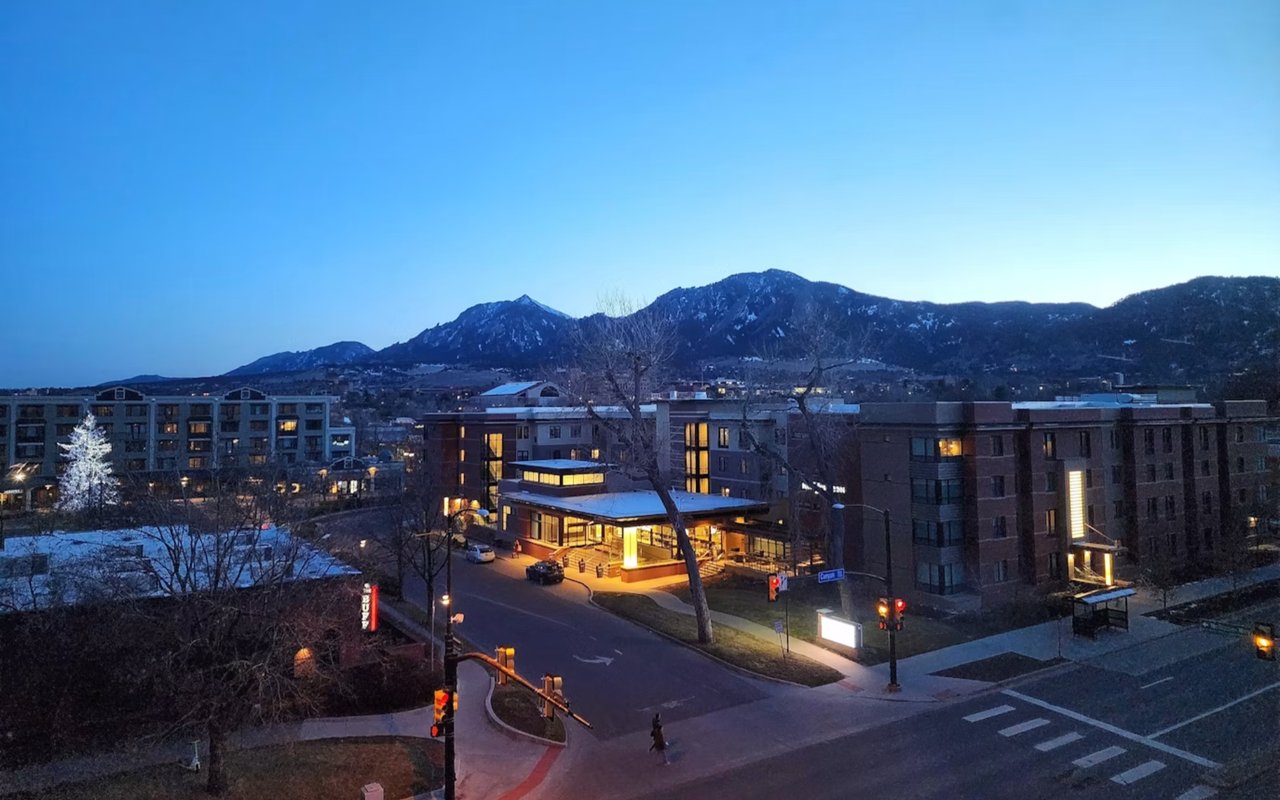
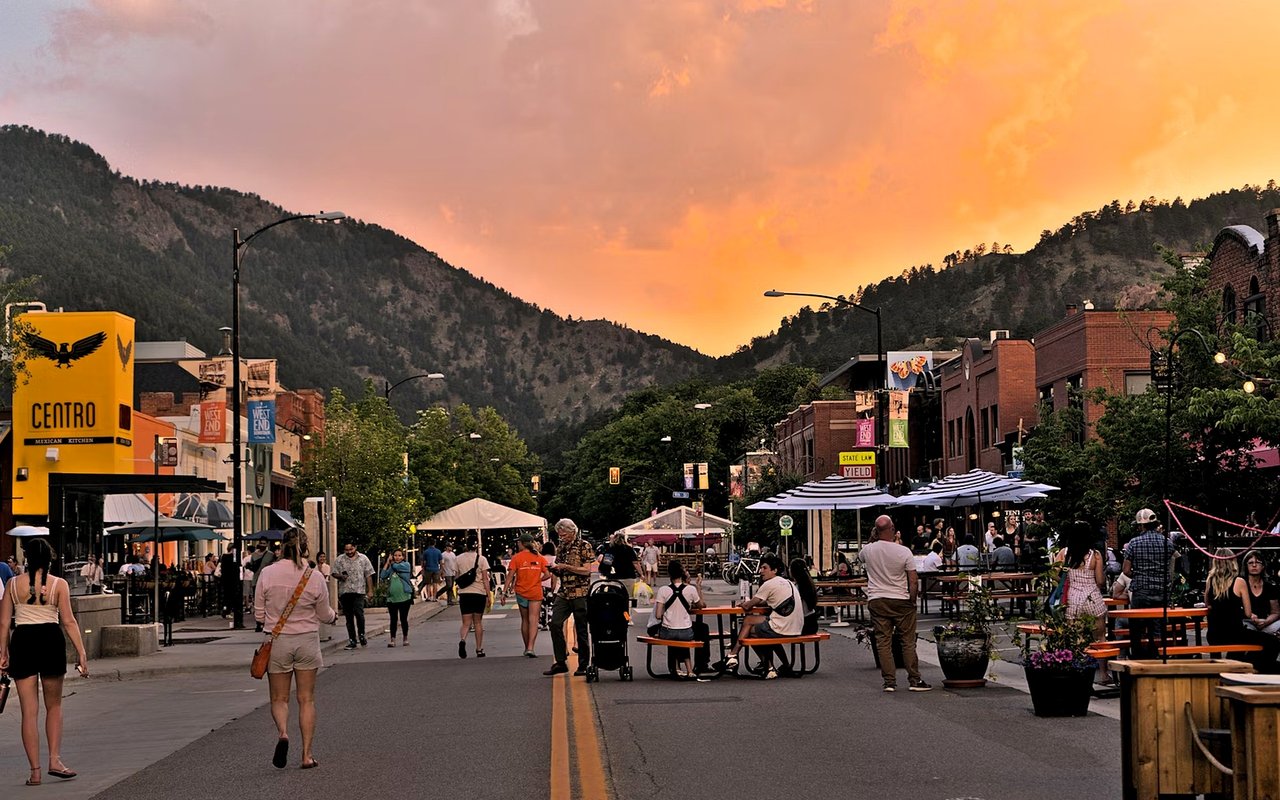
Boulder Colorado real estate investment performs because of structural conditions (like a permanent growth boundary, a charter-protected open space system, a diversified innovation economy, and a unique lifestyle proposition) that have been in place for decades and show no sign of changing.
Investors who understand these foundations make better decisions than those who evaluate Boulder against national trends that simply do not apply here.
Key Takeaways
- Supply is permanently constrained: Boulder's urban growth boundary and open space charter provisions prevent the large-scale development that moderates prices in less-regulated markets
- Demand is structural, not cyclical: The buyers drawn to Boulder are motivated by a lifestyle proposition that does not disappear when interest rates rise or national sentiment shifts
- The innovation economy insulates values: Boulder's economic base spans technology, life sciences, aerospace, and research, reducing the sector-specific vulnerability that creates risk in more concentrated markets
The Supply Constraint That Does Not Go Away
The single most important structural feature of Boulder Colorado real estate investment is that supply cannot grow the way it grows in other markets.
- The urban growth boundary is a hard limit: In place since the 1970s, Boulder's growth boundary prevents the city from annexing surrounding land for new development. The neighborhoods that exist today are effectively the neighborhoods that will exist in 20 years
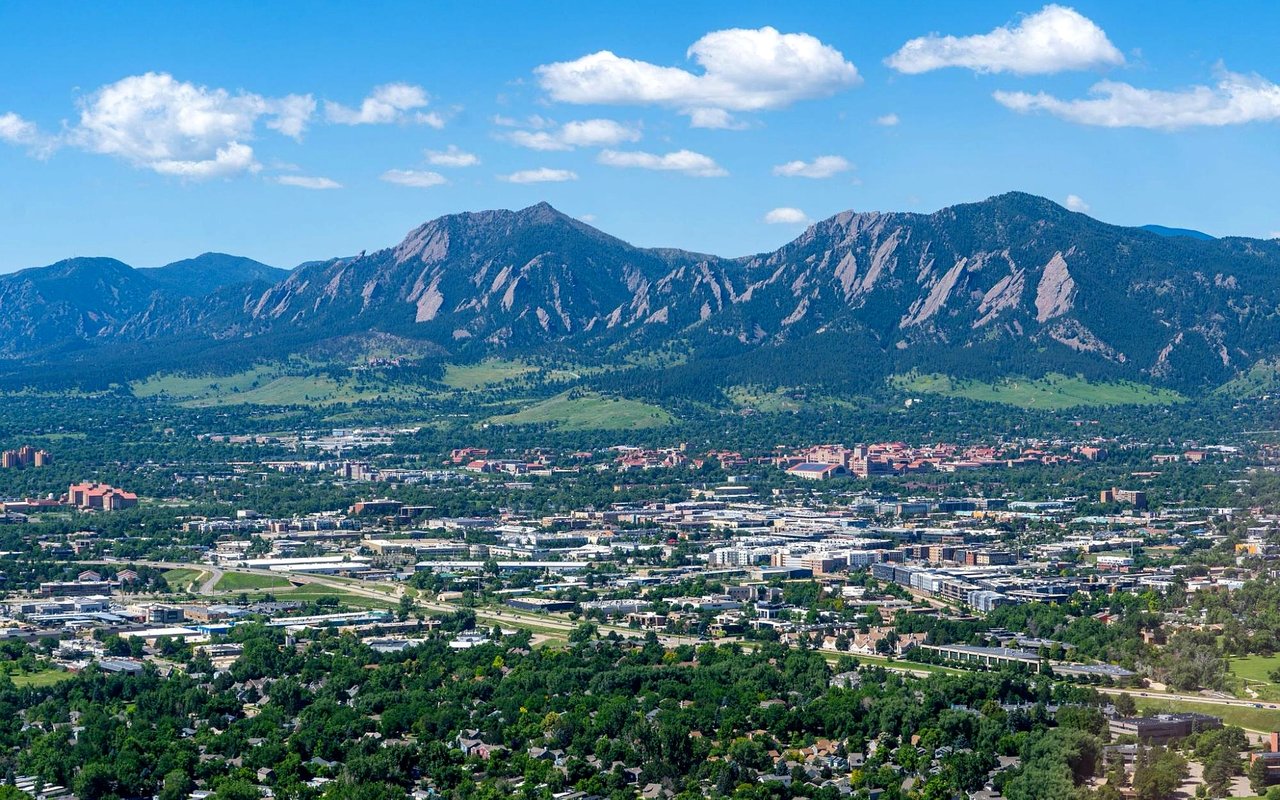
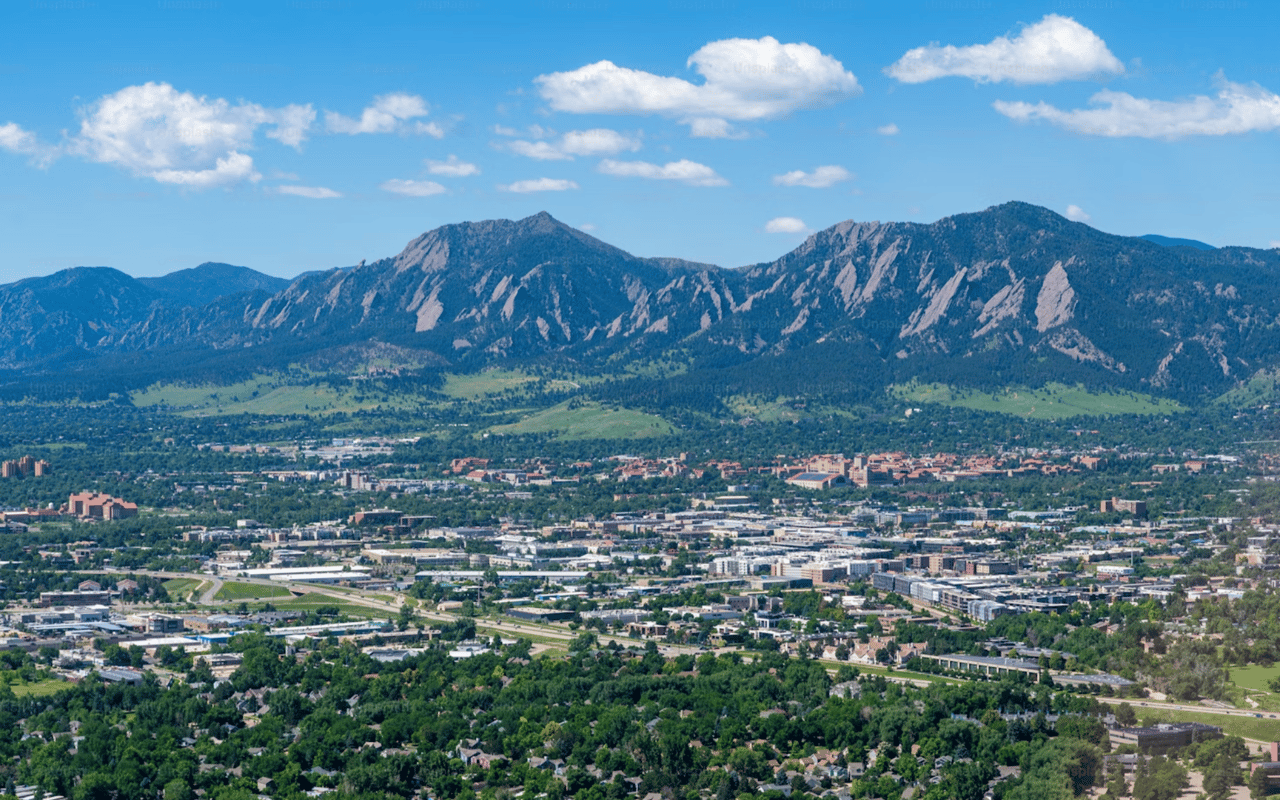
- The open space system is charter-protected: The more than 46,000 acres of preserved land surrounding Boulder are protected by city charter provisions requiring a public vote to alter. Properties adjacent to this land hold a positional advantage locked in by policy
- New construction is limited and specialist-driven: Boulder's green building requirements, permitting complexity, and land constraints mean that new luxury inventory enters the market slowly through a small number of specialist firms
The supply structure Boulder's regulatory framework has created is the foundation on which every other investment argument rests.
The Demand That Persists Through Market Cycles
Supply constraints only produce durable investment outcomes when demand is equally durable. In Boulder, demand comes from a buyer pool whose motivations are structural rather than trend-driven.
- Lifestyle buyers are becoming primary residents: The shift toward remote and hybrid work has converted what was once a vacation-home market into a permanent relocation market. Buyers who previously visited Boulder for outdoor recreation are now making it their primary address
- The coastal arbitrage argument remains compelling: Boulder's price level, while high by national standards, is materially lower than comparable lifestyle markets in California and the Northeast. Buyers from San Francisco, Los Angeles, and New York consistently find that Boulder delivers comparable quality of life
- The Sundance relocation amplifies existing demand: The planned move of the Sundance Film Festival to Boulder beginning in 2027 introduces a new category of globally aware buyer to a market already generating significant interest. Cultural investment of this profile historically precedes a sustained period of elevated demand from buyers who might not have considered the market before its global visibility increased
Demand in Boulder is a layered set of motivations that reinforce each other and have proven resilient across multiple economic cycles.
The Economic Foundation That Underpins It All
Boulder Colorado real estate investment performs over long time horizons in part because the local economy is unusually diversified and resilient.
- The innovation economy spans multiple sectors: CU Boulder, NIST, NOAA, Ball Aerospace, a mature tech and biotech startup ecosystem, and significant venture capital presence collectively produce an economy that does not depend on any single employer or industry
- High household incomes support price floors: The concentration of highly compensated professionals in technology, research, and entrepreneurship means Boulder's buyer pool is less sensitive to interest rate fluctuations than markets where buyers are stretched at the margin
- The University of Colorado provides institutional stability: CU Boulder's presence as a major research university, employer, and economic anchor creates a consistent baseline of rental demand and economic activity that insulates the local economy from volatility affecting markets without a comparable institutional anchor
The combination of innovation economy depth, high household incomes, and institutional stability is what has historically allowed Boulder to hold value through national downturns and recover faster than comparable markets.
FAQs
Is Boulder Real Estate a Good Investment in a High Interest Rate Environment?
Boulder's buyer pool skews toward well-capitalized buyers, many of whom transact in cash or with minimal financing. Investment properties here have historically attracted buyers evaluating long-term value rather than short-term cash flow, and that orientation tends to stabilize values during periods of rate-driven softness.
Which Neighborhoods Represent the Strongest Long-Term Investment Positions?
Neighborhoods with direct open space adjacency (like Chautauqua, Knollwood, Mapleton Hill, and Newlands) have historically held the strongest positions because their advantages are protected by the same charter provisions that make Boulder's supply constraint durable. Properties tied to protected views or preserved land adjacency are insulated from the development that erodes comparable advantages in unprotected markets.
How Should I Think About Timing a Boulder Real Estate Investment?
Boulder rewards long-horizon holders more consistently than market-timers. The structural conditions that drive performance here operate over years and decades rather than quarters. Investors who enter at a fair price and hold through at least one full cycle have historically been well-served.
Contact Kim Hullett
Boulder Colorado real estate investment rewards buyers who understand the market's structural foundations rather than those chasing short-term momentum. I work at the upper end of this market every day and bring the local knowledge that long-horizon investment decisions require.
If you're evaluating Boulder as an investment and want a clear-eyed view of where the opportunities are and what they involve, reach out to me, Kim Hullett, and let's have that conversation.