By Kim Hullett
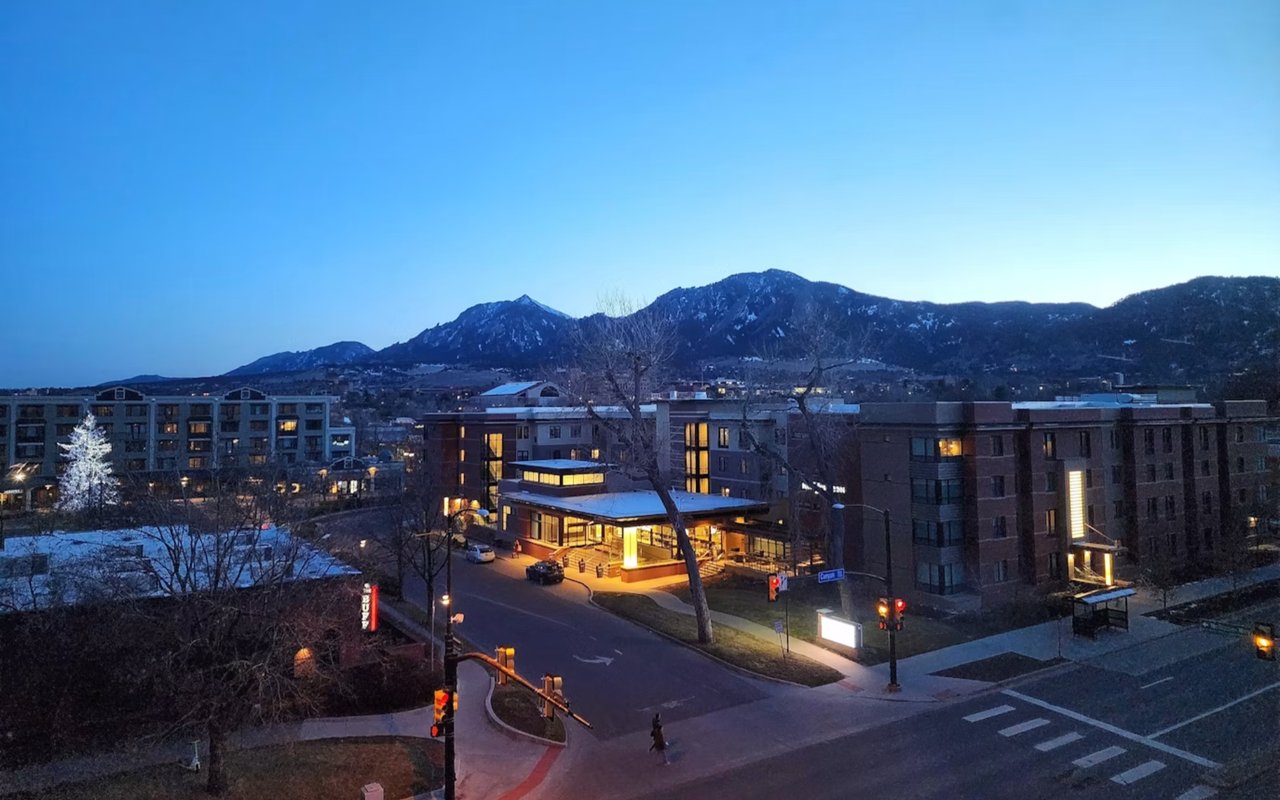
Boulder's luxury market operates on different terms than almost any other city of its size in the country. It has a permanent growth boundary, more than 46,000 acres of protected open space surrounding the city, and a deliberate limit on building height enforced since the 1970s. Buyers entering the Boulder Colorado luxury lifestyle market for the first time often discover that the process requires different preparation, different instincts, and different due diligence than high-end purchases elsewhere. This guide covers what that process actually looks like.
Key Takeaways
- Off-market inventory is significant at the high end: Many of Boulder's finest homes never appear on the MLS, and buyers without a well-connected local agent are effectively working with an incomplete picture of what is available among Boulder homes for sale
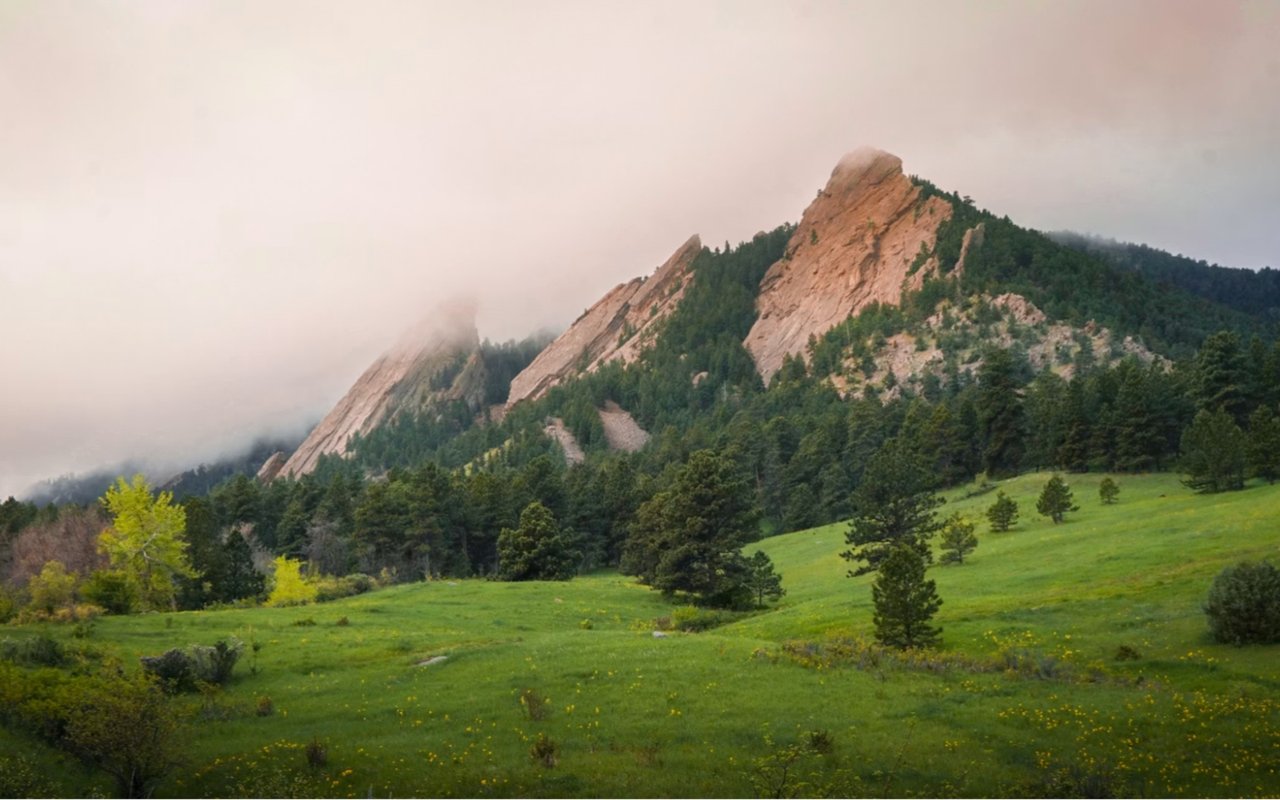
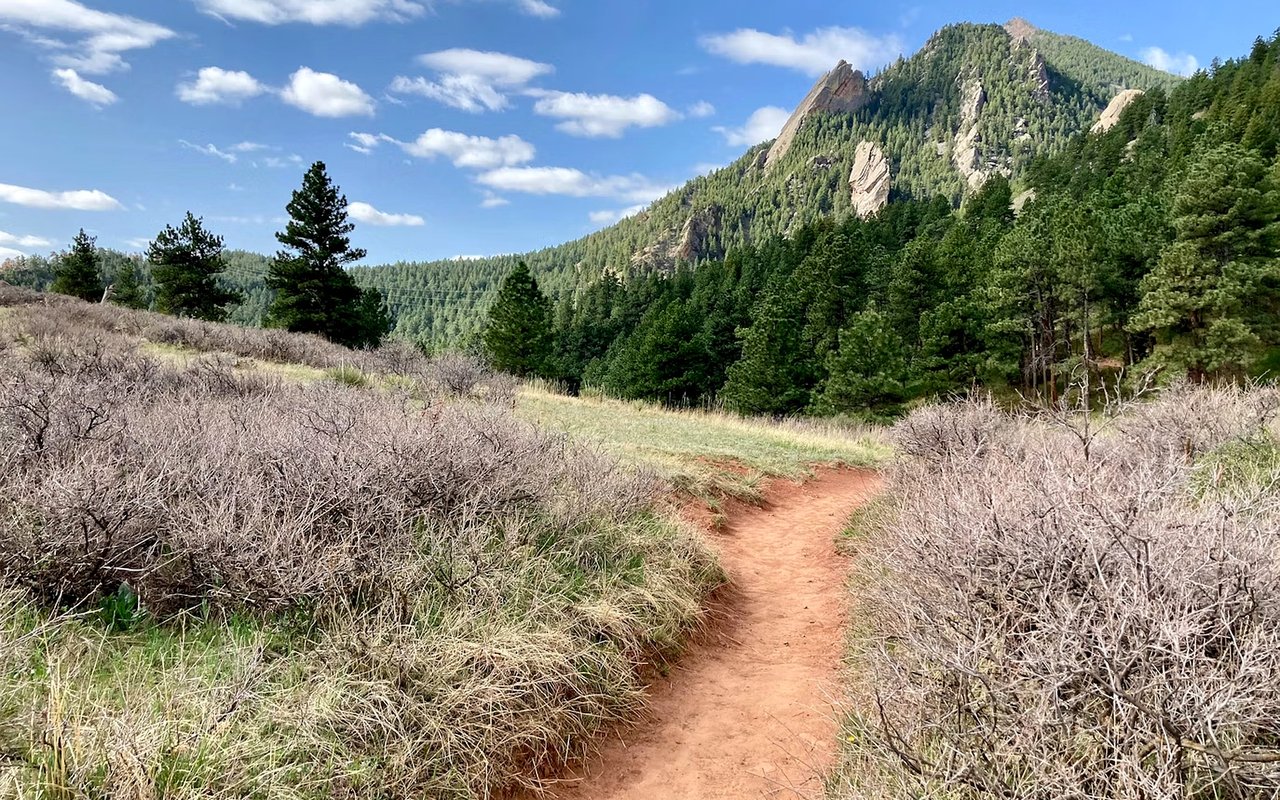
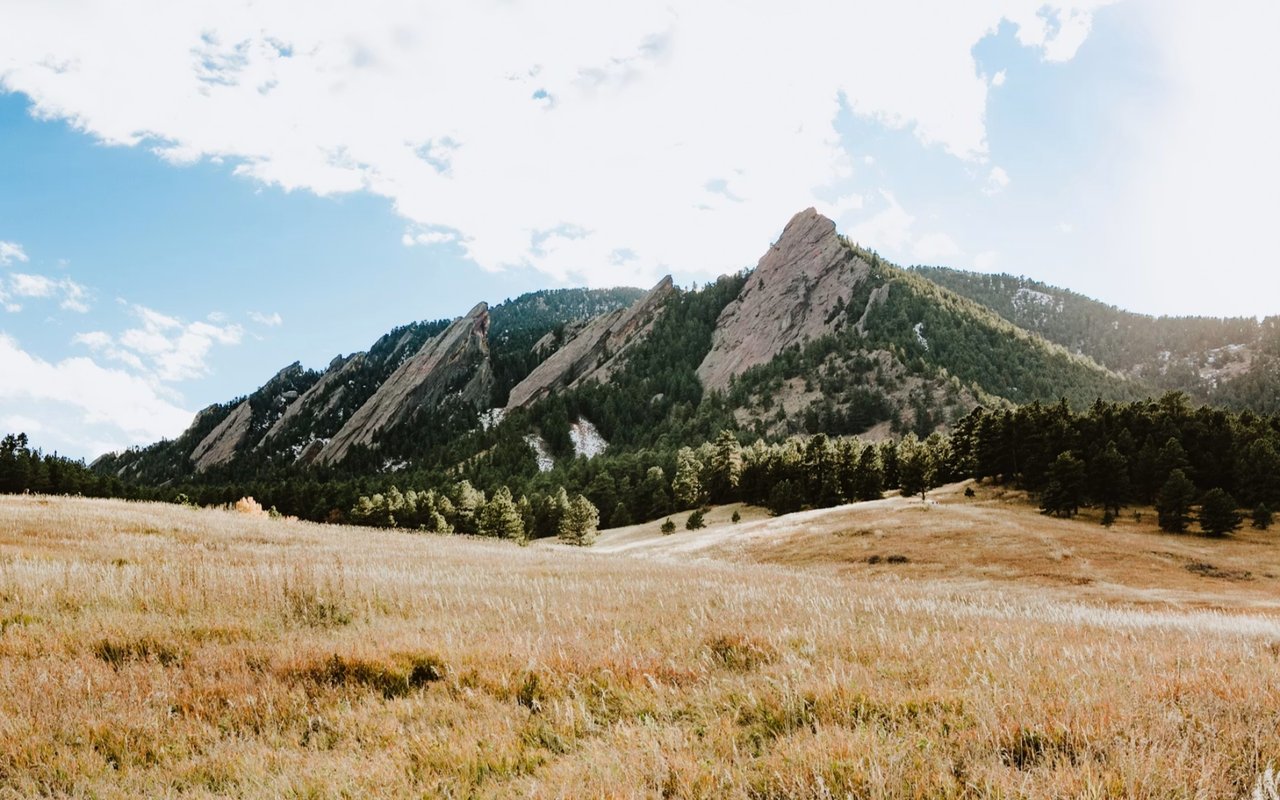
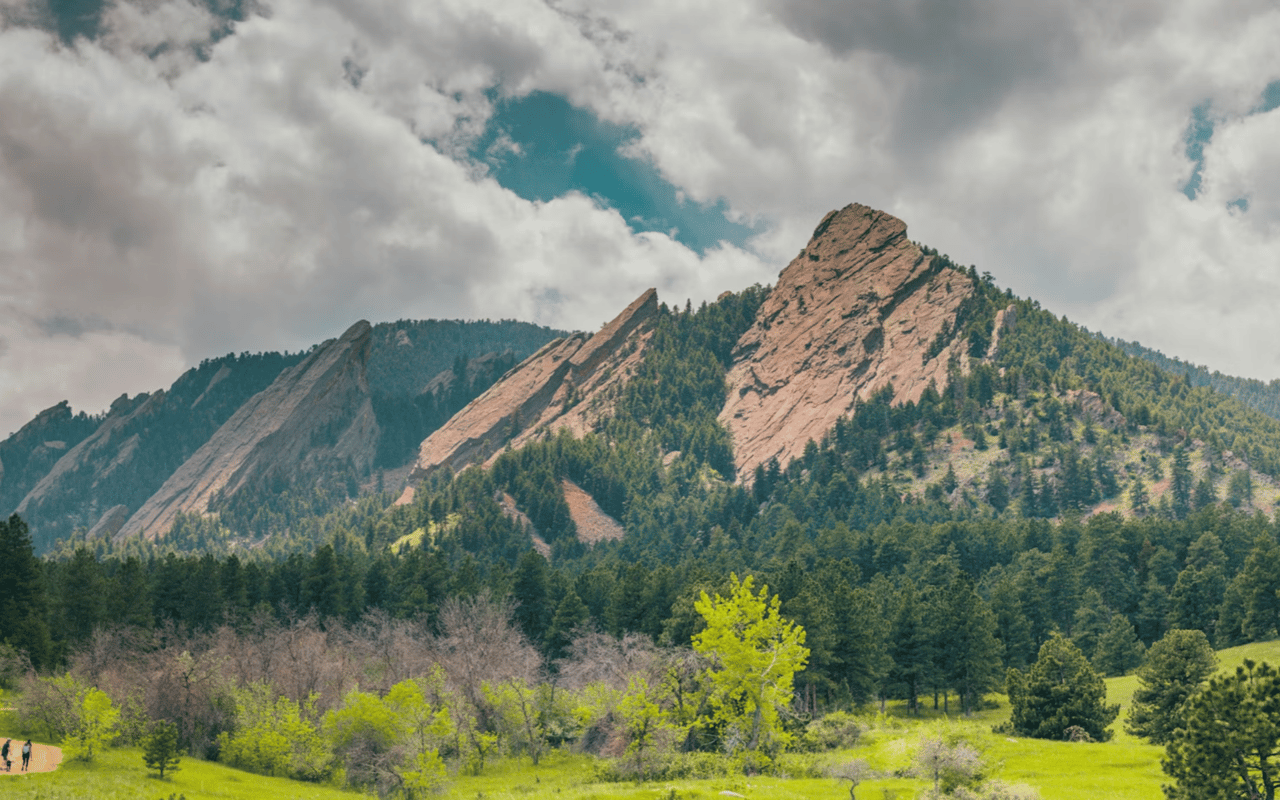
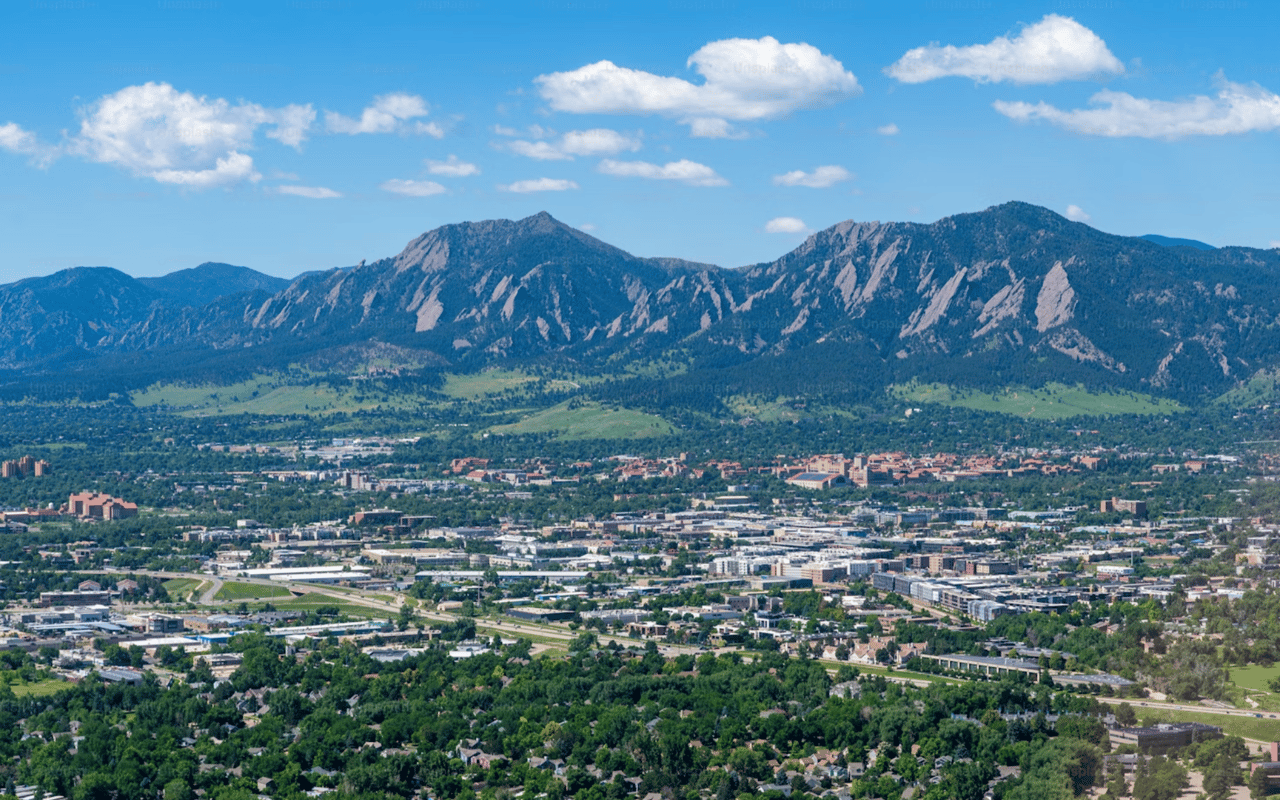
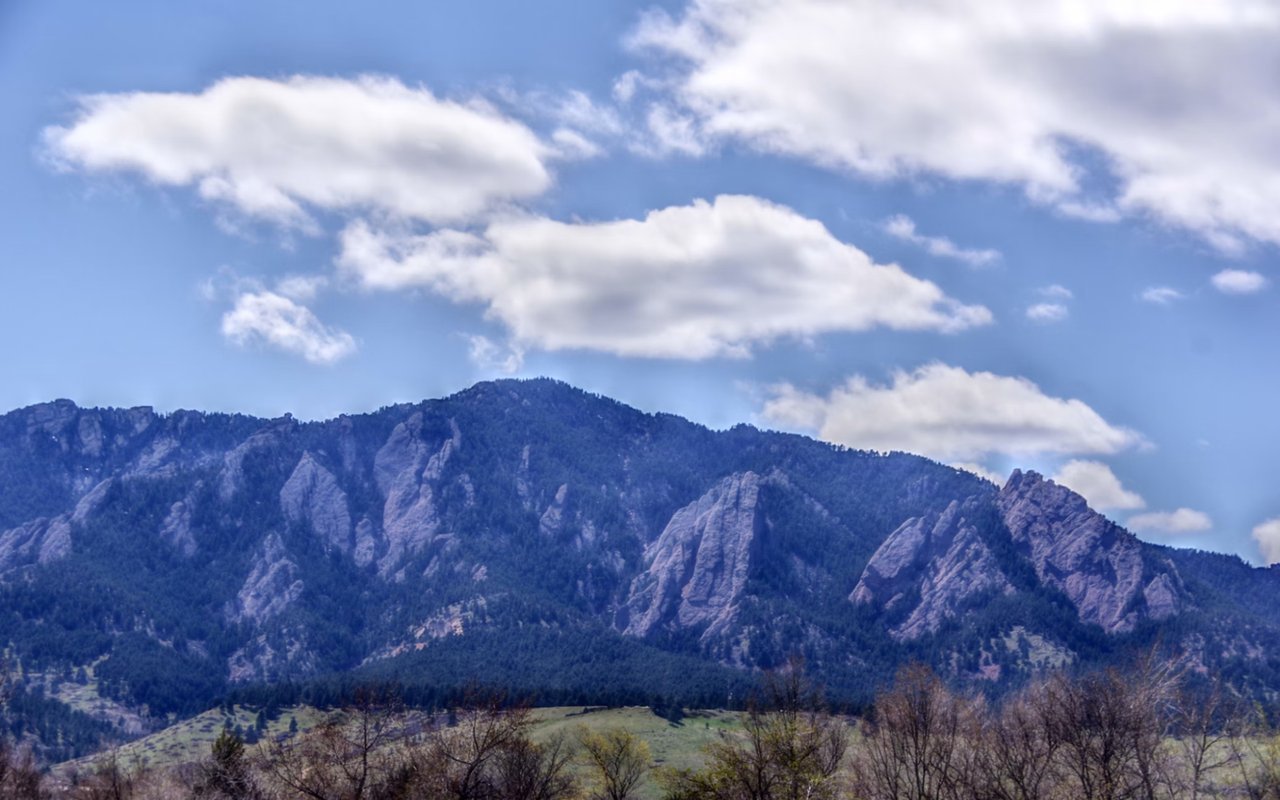
- Open space adjacency is Boulder's defining luxury premium: Proximity to the Flatirons, Chautauqua Park, the Sanitas trails, or the Davidson Mesa open space system is the single most consistent value driver in the upper market
- Boulder's regulatory framework shapes what can be built and changed: Height limits, historic preservation review, geological hazard constraints, and green building requirements all affect luxury properties in Boulder in ways that buyers need to understand before due diligence begins
- The buyer profile here is specific: Boulder's luxury market attracts lifestyle buyers who are prioritizing daily outdoor access alongside refined living, and the homes that sell fastest reflect that alignment
Understanding What Makes Boulder's Luxury Market Distinct
Boulder's luxury market is shaped by geography and policy working together in ways that have been deliberately maintained for over five decades.
- Open space adjacency is permanent: Properties that back to City of Boulder Open Space and Mountain Parks land are protected from development behind them in perpetuity. Buyers in neighborhoods like Chautauqua, Knollwood, Newlands, and Mapleton Hill are purchasing a relationship with preserved land
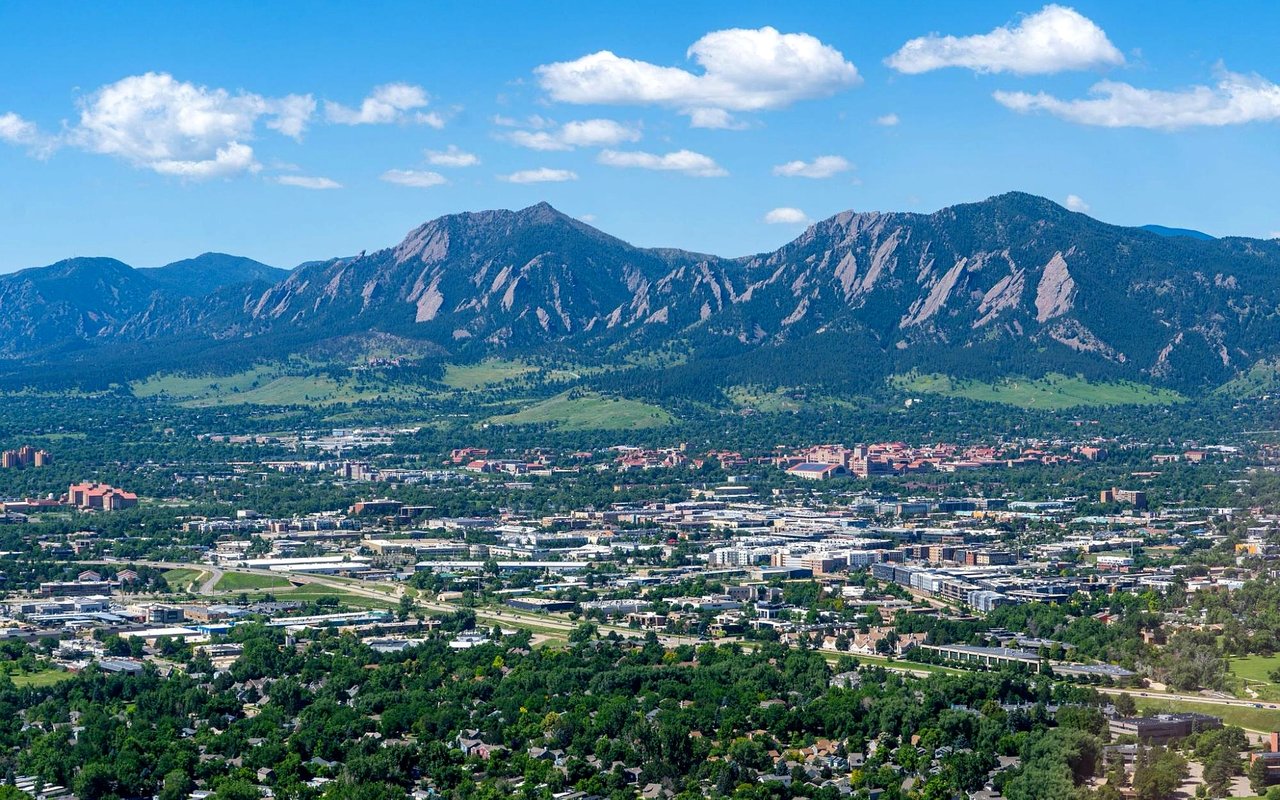
- The Flatirons are a selection criterion, not a backdrop: In Boulder's upper market, orientation toward the Flatirons, access to the trailheads at the base of those formations, and the quality of mountain views from primary living spaces are evaluated with the same rigor that waterfront buyers apply to water access
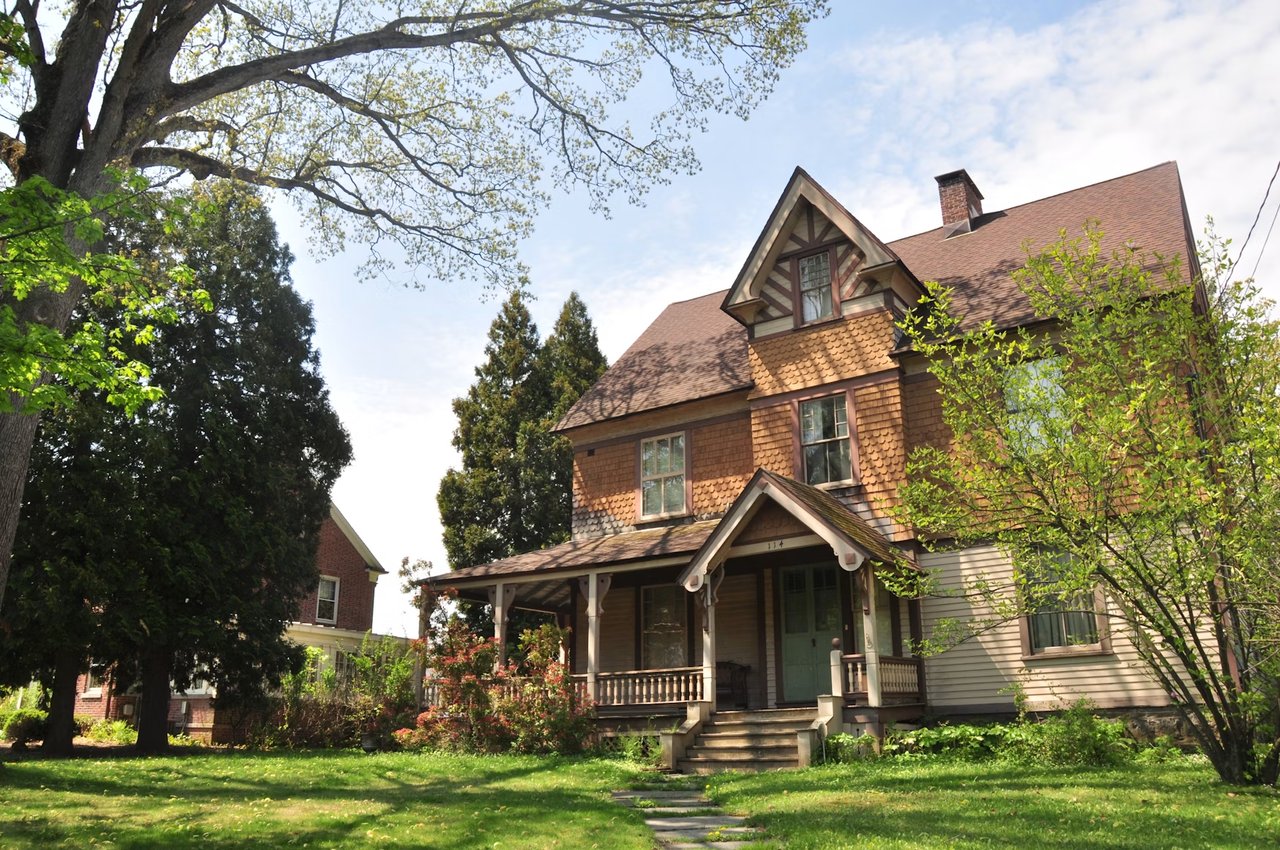
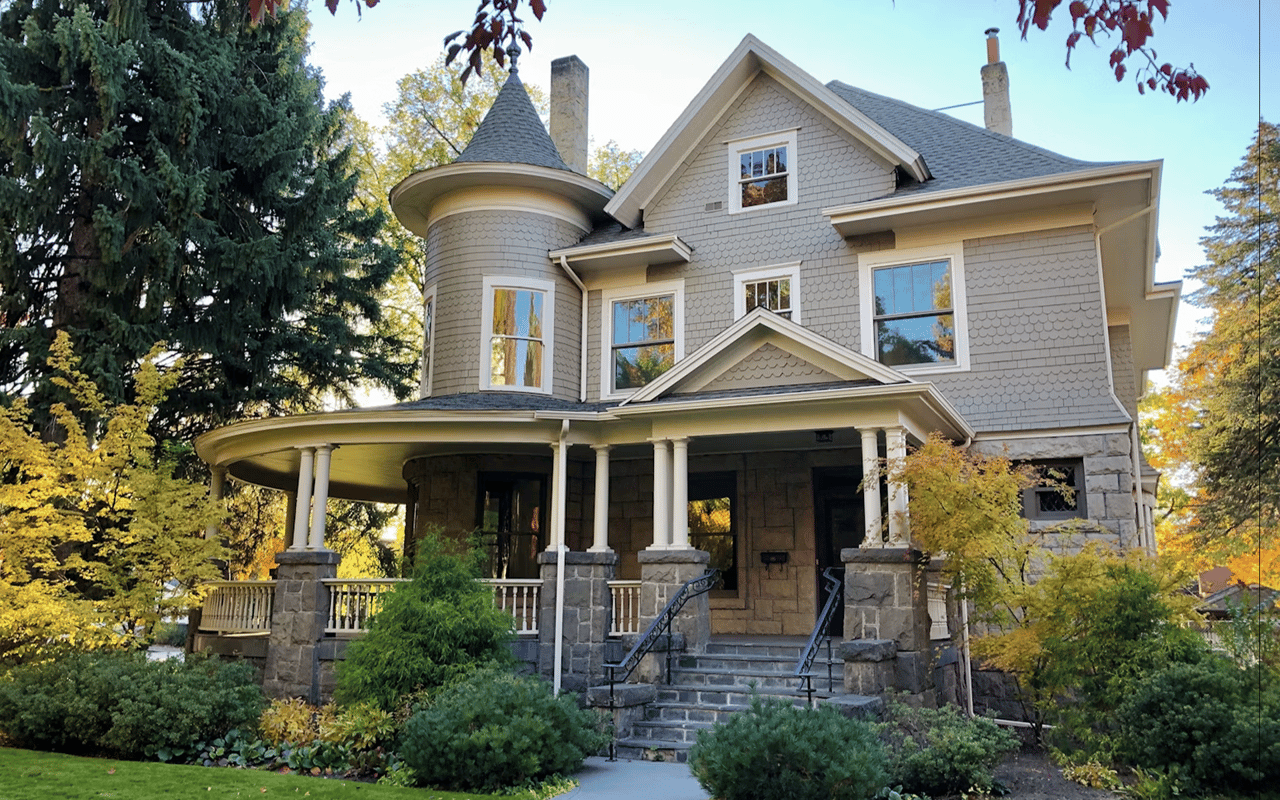
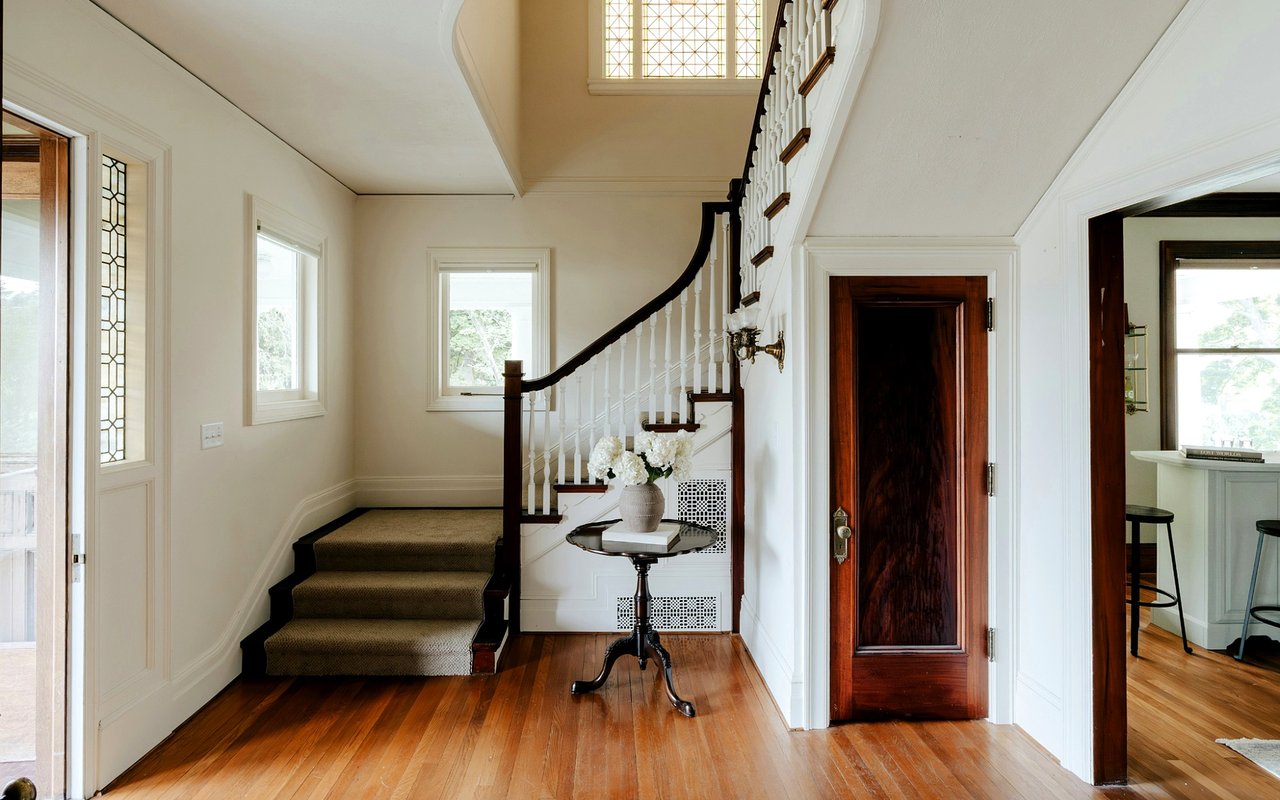
- Historic preservation adds a layer to due diligence: Many of Boulder's most character-rich luxury homes in Mapleton Hill, the University Hill area, and downtown-adjacent neighborhoods are subject to historic preservation review
Understanding Boulder's regulatory framework at this level is foundational to evaluating whether a property's renovation potential is realistic.
The Off-Market Reality
Boulder's luxury market has a significant off-market component that buyers from other cities consistently underestimate.
- Work with an agent who operates in the specific neighborhoods you are targeting: Boulder's luxury micro-markets are genuinely distinct. Chautauqua, Knollwood, Mapleton Hill, and the Newlands each have their own pricing logic, architectural character, and typical buyer profile. A well-connected agent knows which sellers are considering a move and which homes will be positioned before they are listed
- Be specific about what you want and communicate it clearly: The more precisely a buyer can articulate their priorities, like open space adjacency versus walkability to Pearl Street, Flatirons views versus creek proximity, or historic character versus contemporary architecture
- Move deliberately but not slowly: Boulder's luxury buyers at the top of the market are often in a position to act without financing contingencies, and the competition for genuinely exceptional properties is real even in a moderating market
Boulder's luxury buyer pool is small enough that the right buyer is frequently known to the right agent well in advance.
The Due Diligence Considerations Specific to Boulder
Several due diligence items are specific to this market and deserve attention beyond what a general inspection will cover.
- Geological hazard review: The Boulder Valley Comprehensive Plan includes a geological development constraints map that designates certain areas as potential mass movement hazard zones
- Green building requirements: Boulder has been a leader in sustainable building standards for decades, and any major renovation or addition on a luxury property is subject to the city's green building program requirements
- Water rights and well permits: For properties in unincorporated Boulder County, including many of the larger estate properties in Sunshine Canyon, Four Mile Canyon, and the surrounding mountain communities, water rights, well permits, and augmentation plans are material facts that affect the property's utility and value
Buyers who approach these items proactively during the inspection period are consistently better positioned than those who encounter them as surprises after closing.
FAQs
Is the Boulder Colorado Luxury Lifestyle Market Seasonal?
Less so than many markets, but spring and early summer do produce more listing activity, and fall transitions can bring motivated sellers who want to close before winter. The off-market nature of much of the luxury inventory means that the best properties often become available when sellers are ready, and buyers who are actively positioned year-round have access to opportunities that seasonal searchers miss.
How Should Out-of-State Buyers Approach the Boulder Market?
Boulder rewards buyers who invest time in the city before committing to a search. Spend time in different neighborhoods at different hours. I work with buyers relocating from San Francisco, New York, and other coastal markets regularly and consistently find that the ones who visit multiple times before beginning a formal search make better, more confident decisions.
What Does the Inspection Process Look Like at This Level?
At the luxury level, I typically recommend a more comprehensive inspection approach that engages specialists for structural engineering, systems assessments, and, where relevant, geotechnical review. For historic properties, a preservation consultant familiar with historic Boulder homes is worth engaging before the inspection period closes.
Contact Kim Hullett
The Boulder Colorado luxury lifestyle market rewards preparation and local knowledge in ways that are specific to this city. Whether you are searching for a home with direct open space access, a historic estate on Mapleton Hill, or a contemporary property with protected Flatirons views, I can help you navigate the process with the depth of knowledge this market requires.
Reach out to me, Kim Hullett, and let's talk about what you're looking for and what the path to the right property actually looks like.