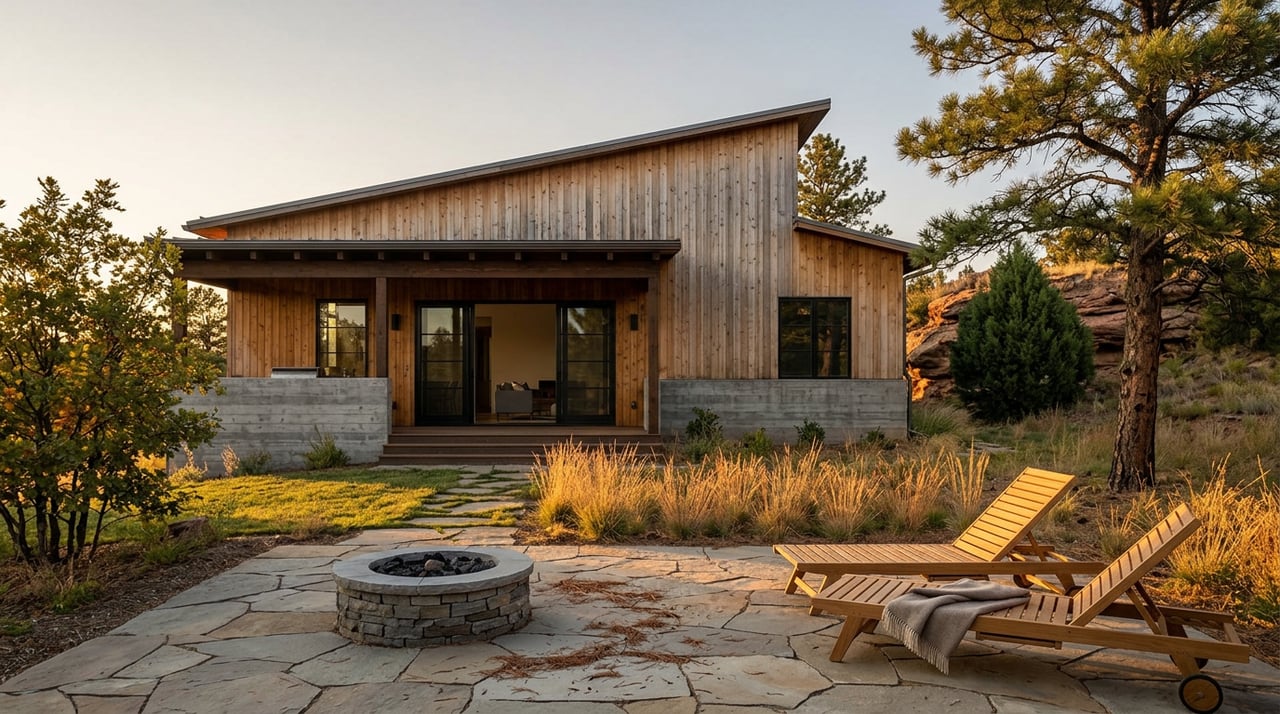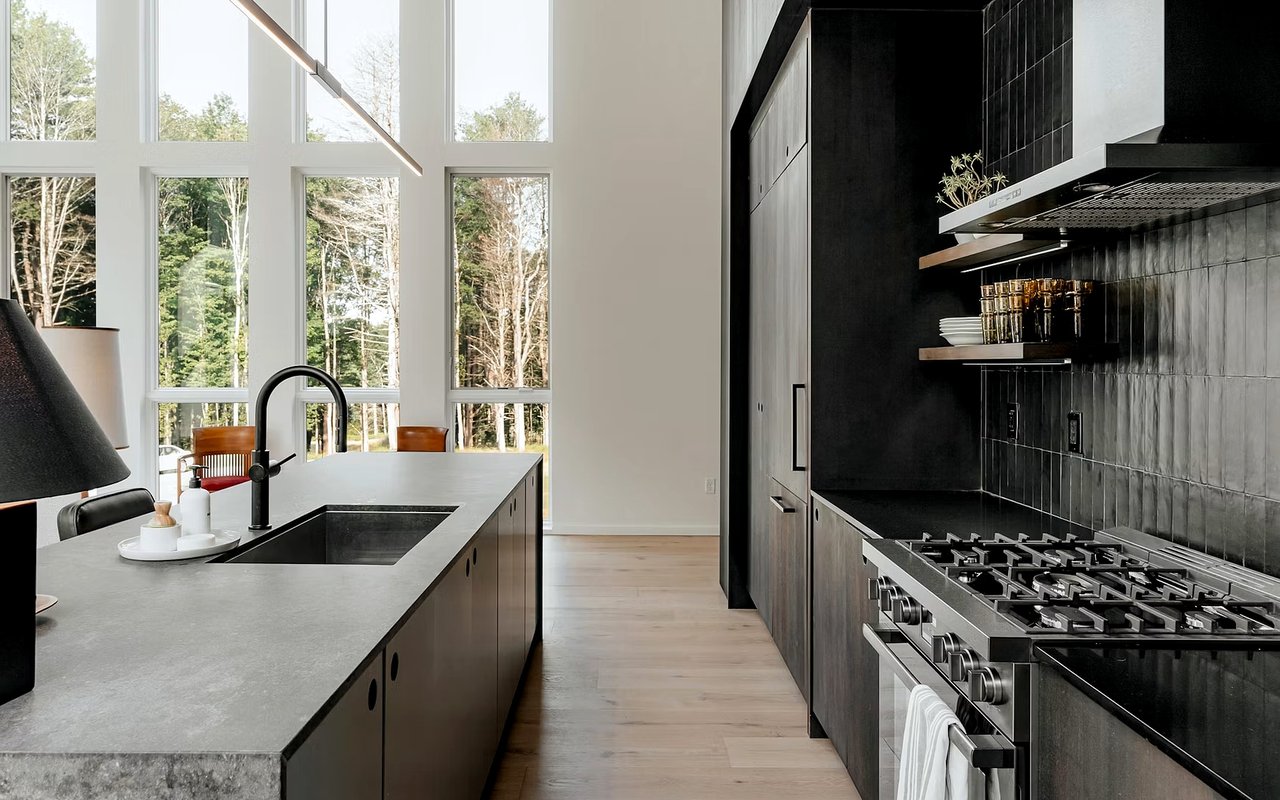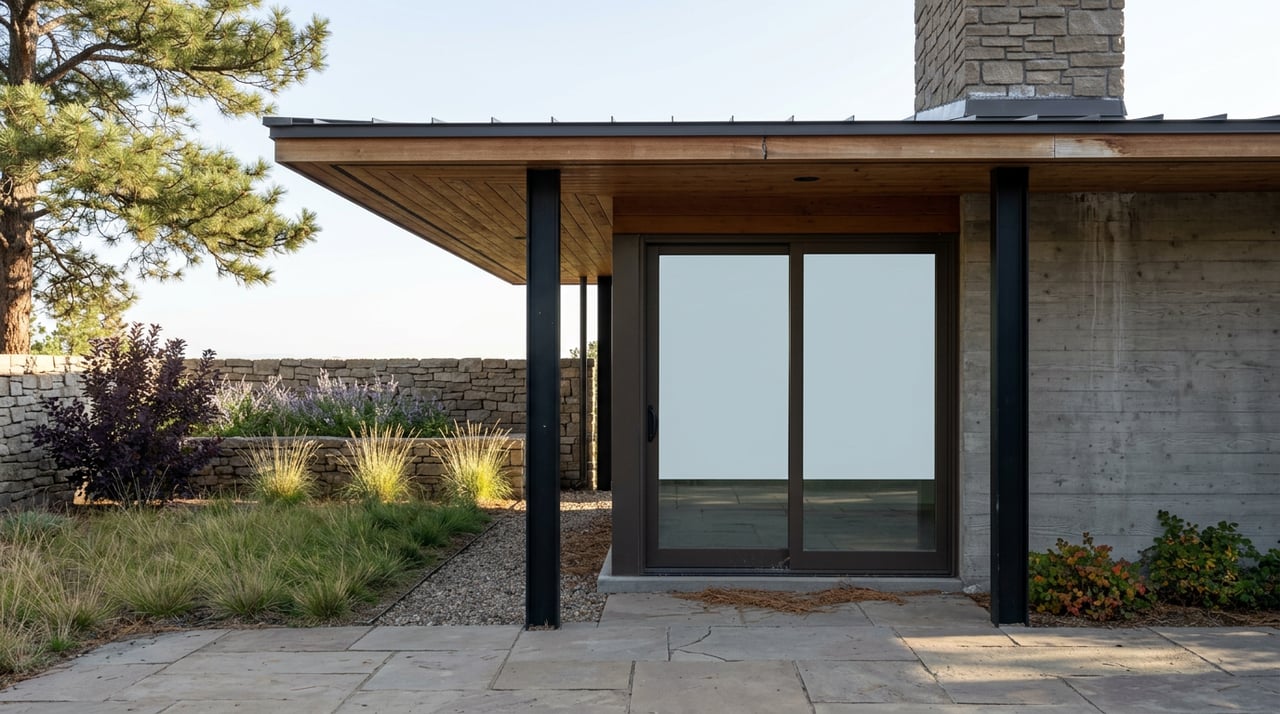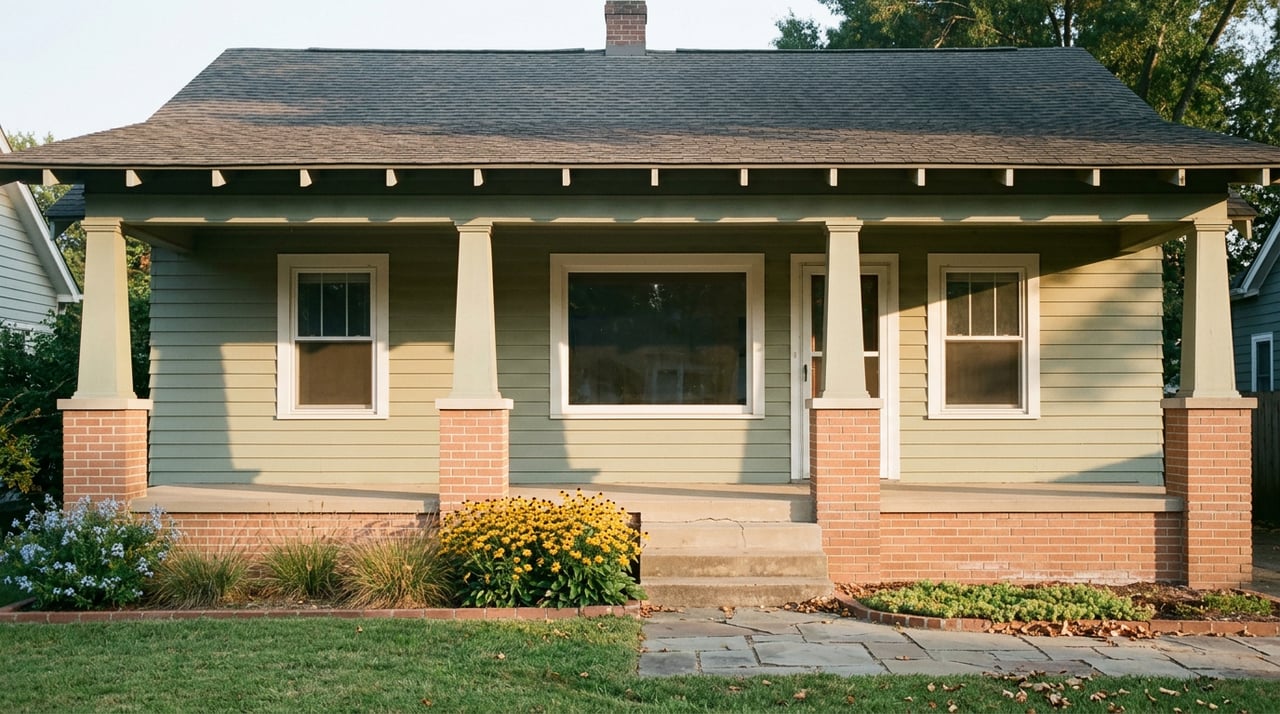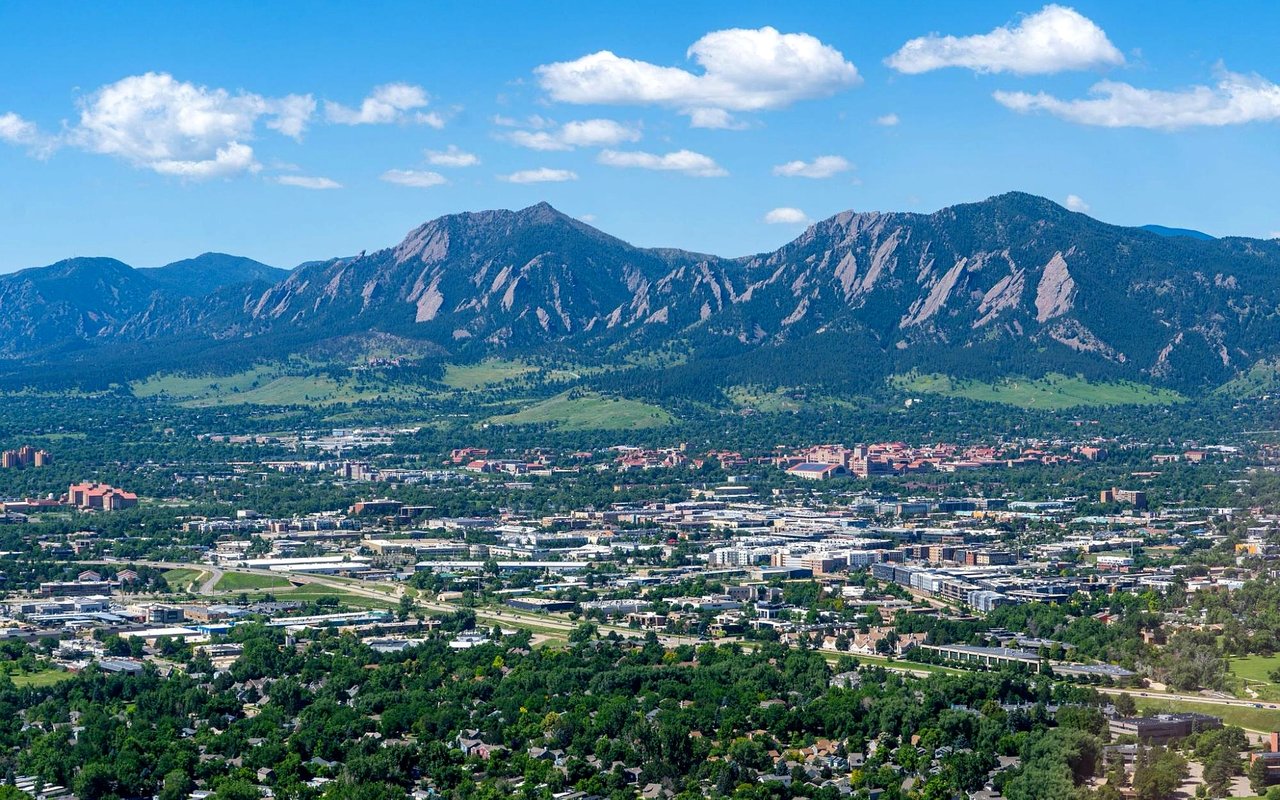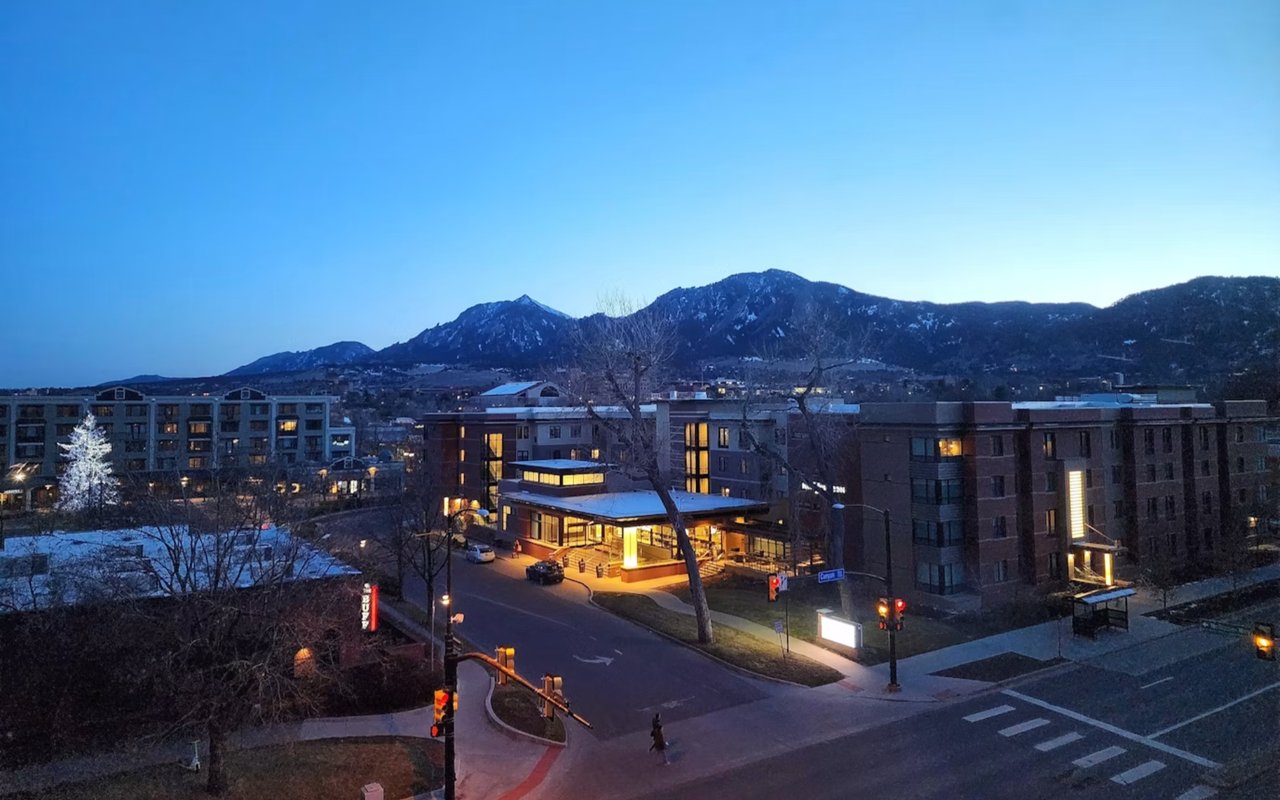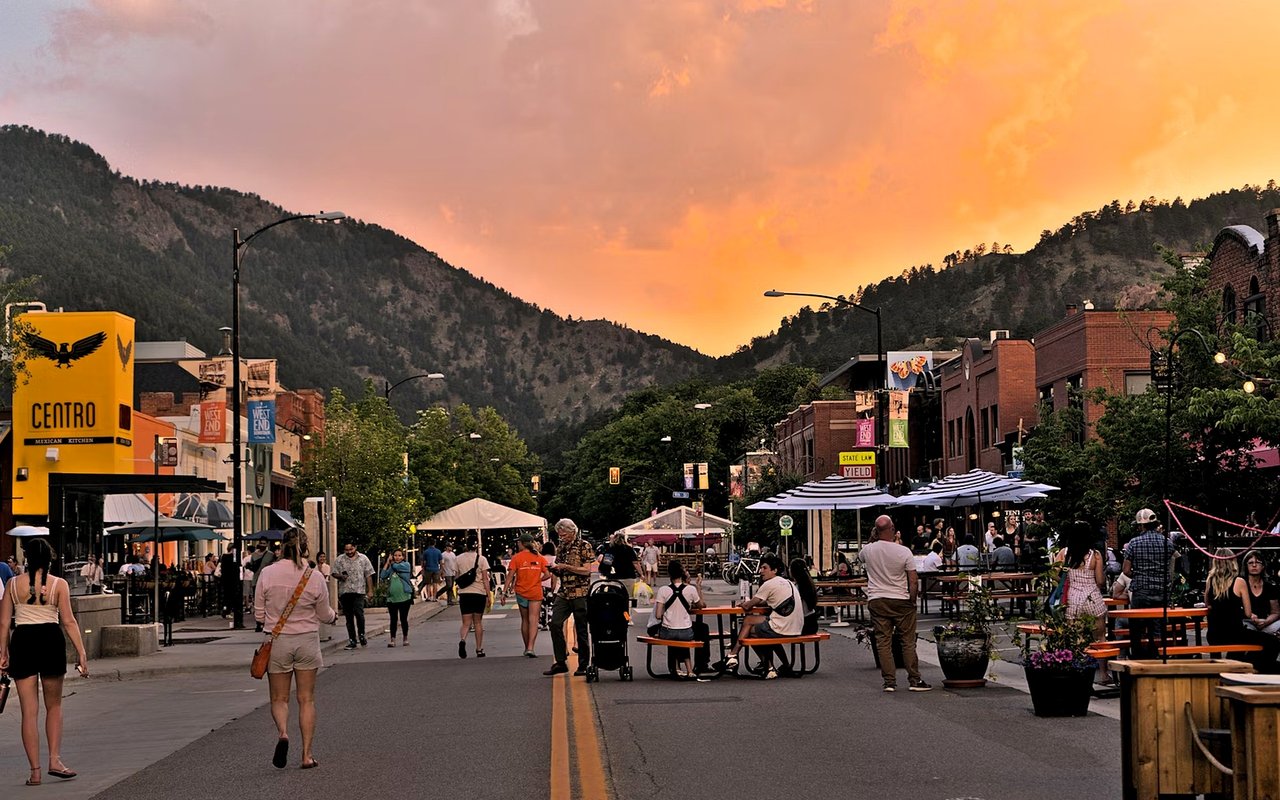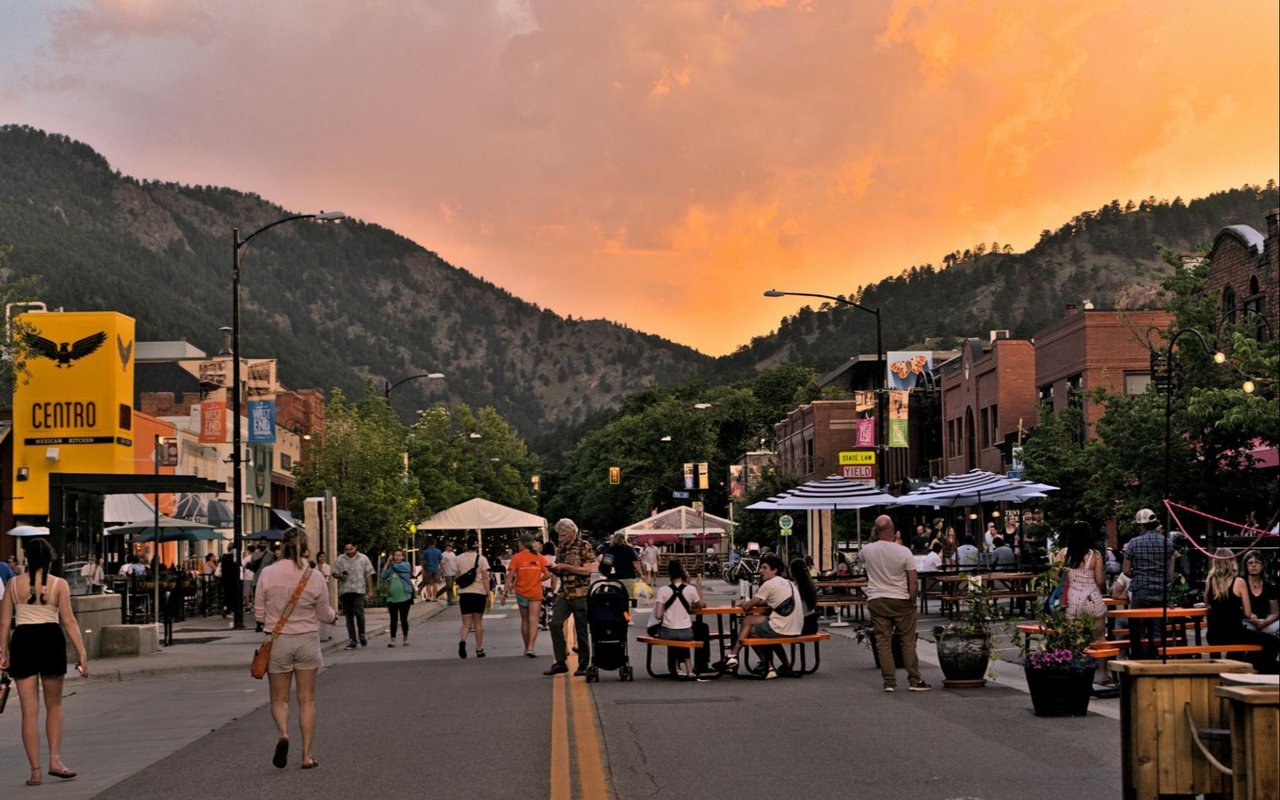
The portals will tell you Lafayette's median list price landed near $675,000 in June 2026, down roughly 14% from a year earlier. Walk South Public Road on a Saturday and you would not guess it. Old Town patios are full, the Read Queen has a line at the register, and the handful of restored bungalows that come to market still trade quickly and close to ask.
That gap between the headline number and the street is the entire story. Lafayette is not one market softening in unison. It is two or three micro-markets moving in different directions at the same time, and the buyer who treats the town as a single price band is going to either overpay in Old Town or under-negotiate in a newer subdivision.
The number under the number
Median price alone is commodity data. The interesting figures are around it. In the last 30 days, the median sale-to-list ratio in Lafayette sat at about 94.99%, roughly 2.2 points below the same window a year ago. Zero percent of homes sold above list, down more than 11 points year over year, and 68% of active listings took a price cut before closing. Days on market held around 54 in June, essentially flat versus last summer.
That combination tells you what kind of softness this is. It is not a demand collapse, because homes are still moving in under two months. It is a pricing correction, and the correction is concentrated where sellers came in optimistic. When two out of three listings need a price drop to move, the initial ask is telling you more about seller hope than about closing value.
If you are pricing an offer against the June median, you are pricing against the wrong number. Price against sale-to-list and the last comparable that actually closed.
Where the cuts are actually landing
Look at the mix. Redfin's October 2025 read had the median sale price at $630,000 with price-per-square-foot down about 7.7% year over year. Orchard's rolling 30-day figure in mid-2026 showed a $700,000 median sale at $311.88 per square foot. Movoto's list-side June number was $675,000 at $346 per square foot. Those are not contradictions. They are three different slices of a market where the higher price-per-foot lives in one place and the volume is in another.
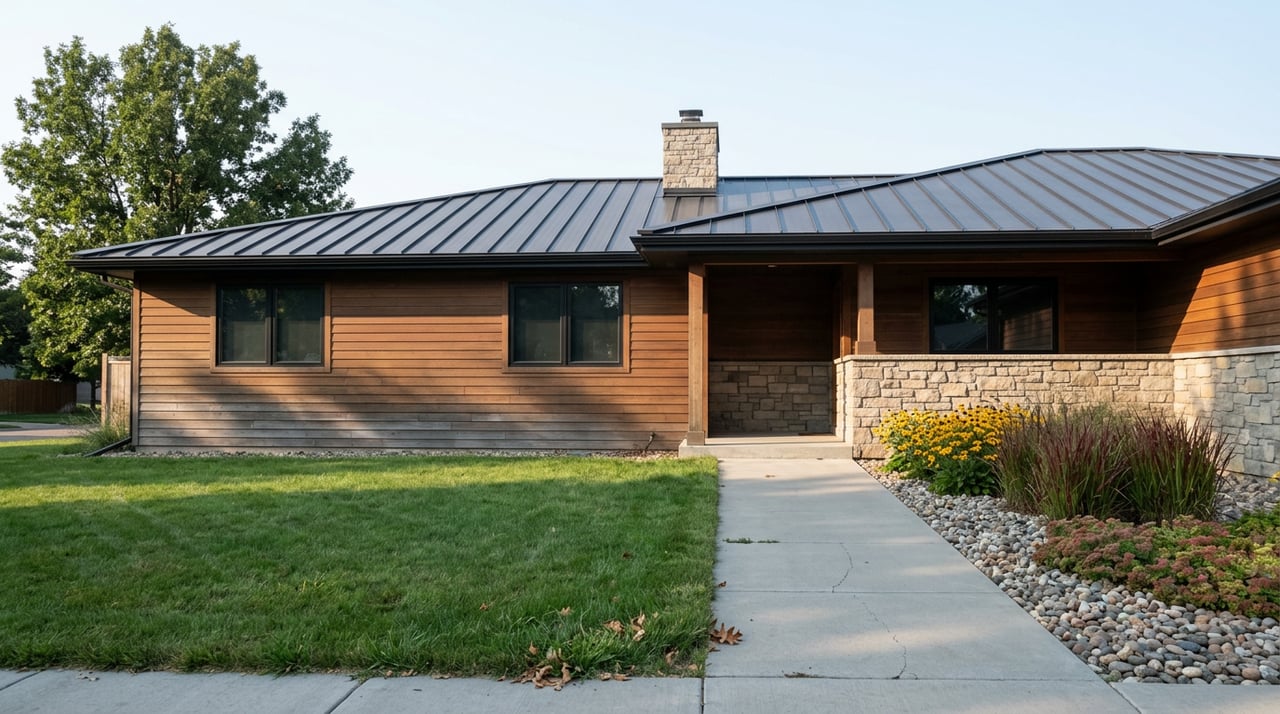
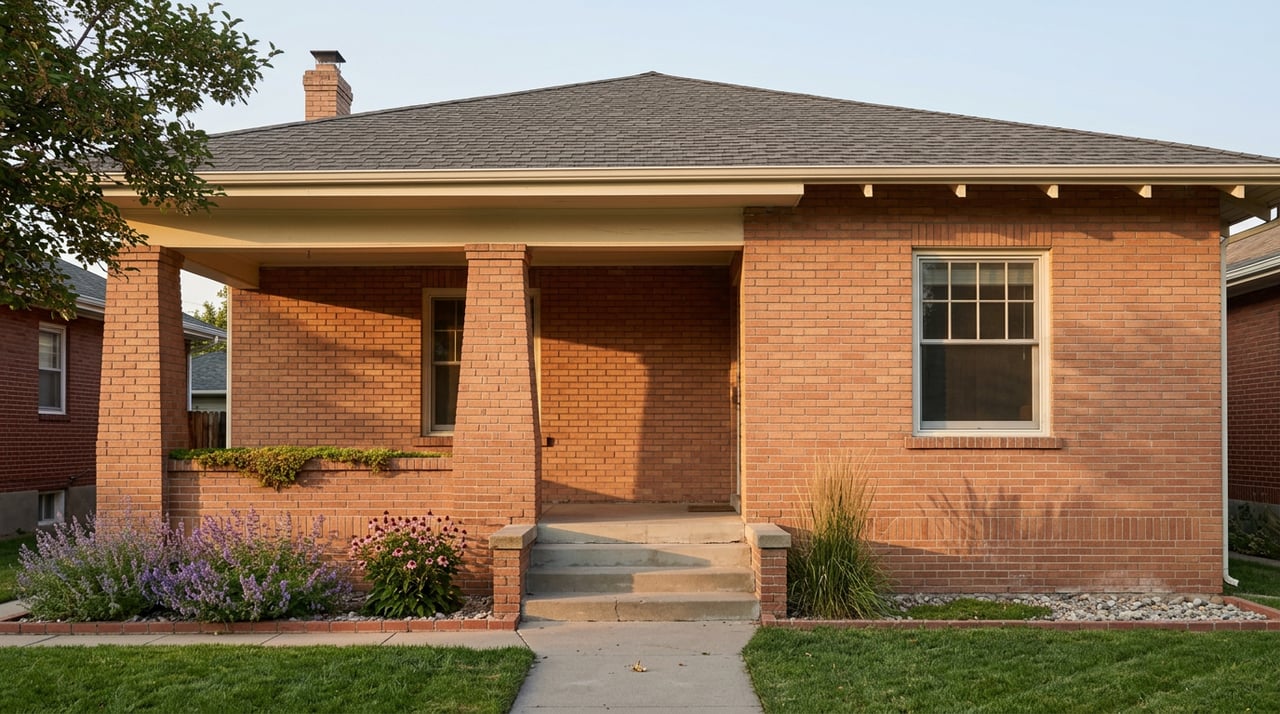
The Old Town core, roughly bounded by the Downtown Development Authority district that runs Public Road from Baseline to South Boulder Road and along Simpson Street to Michigan Avenue, is thin, character-driven, and still pricing on scarcity. A walkable 1920s bungalow within a block of Community Supperclub or Public Wine is not competing with a 3,000-square-foot production home on the north edge of town. Its buyer pool is different, and so is its comp set.
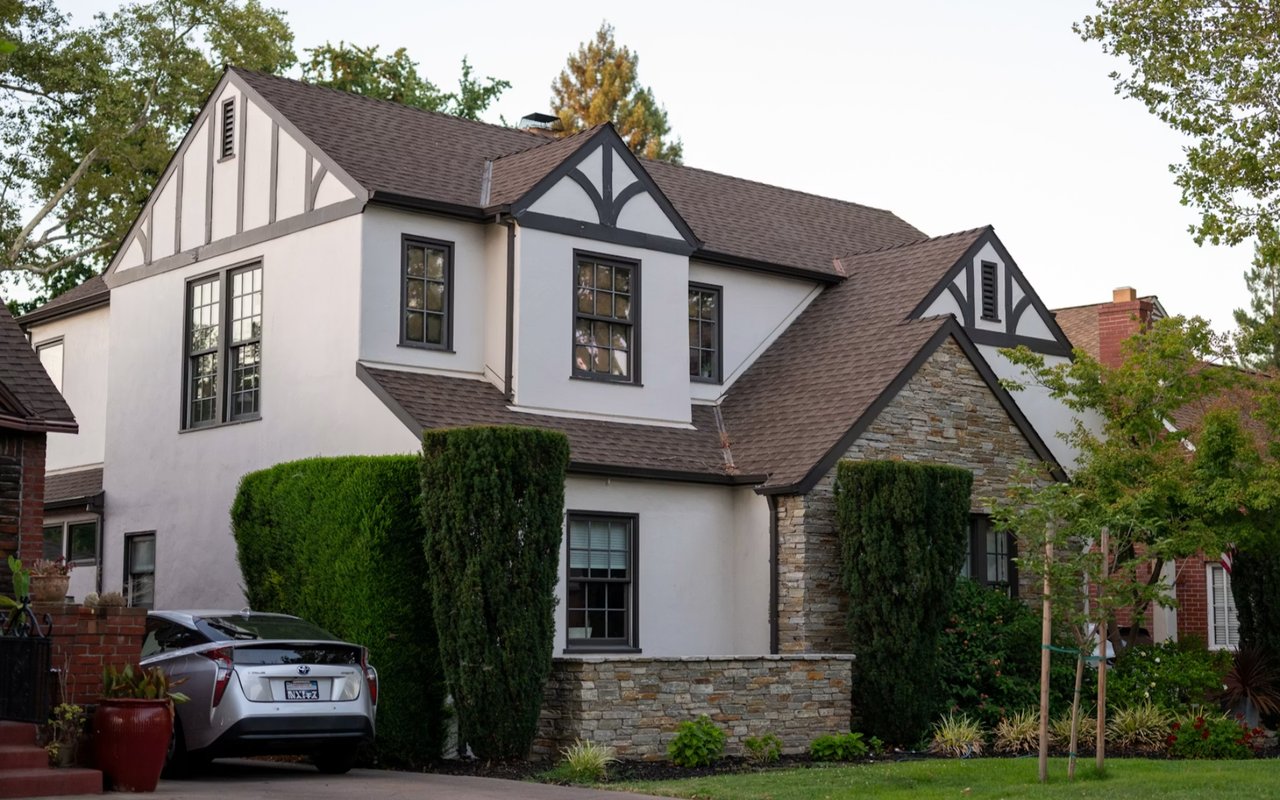
The newer subdivision stock, particularly the four and five-bedroom production homes that leaned into peak-pricing in 2022, is where most of the 68% price-cut cohort lives. That is where the median compression is showing up on the ground. Indian Peaks proper, backing the golf course, sits in its own bucket again, closer in behavior to Louisville's Steel Ranch than to the rest of Lafayette.
What roughly $675K actually walks into right now
The median is a shopping list of tradeoffs, not a house. At today's number a buyer is generally choosing among:
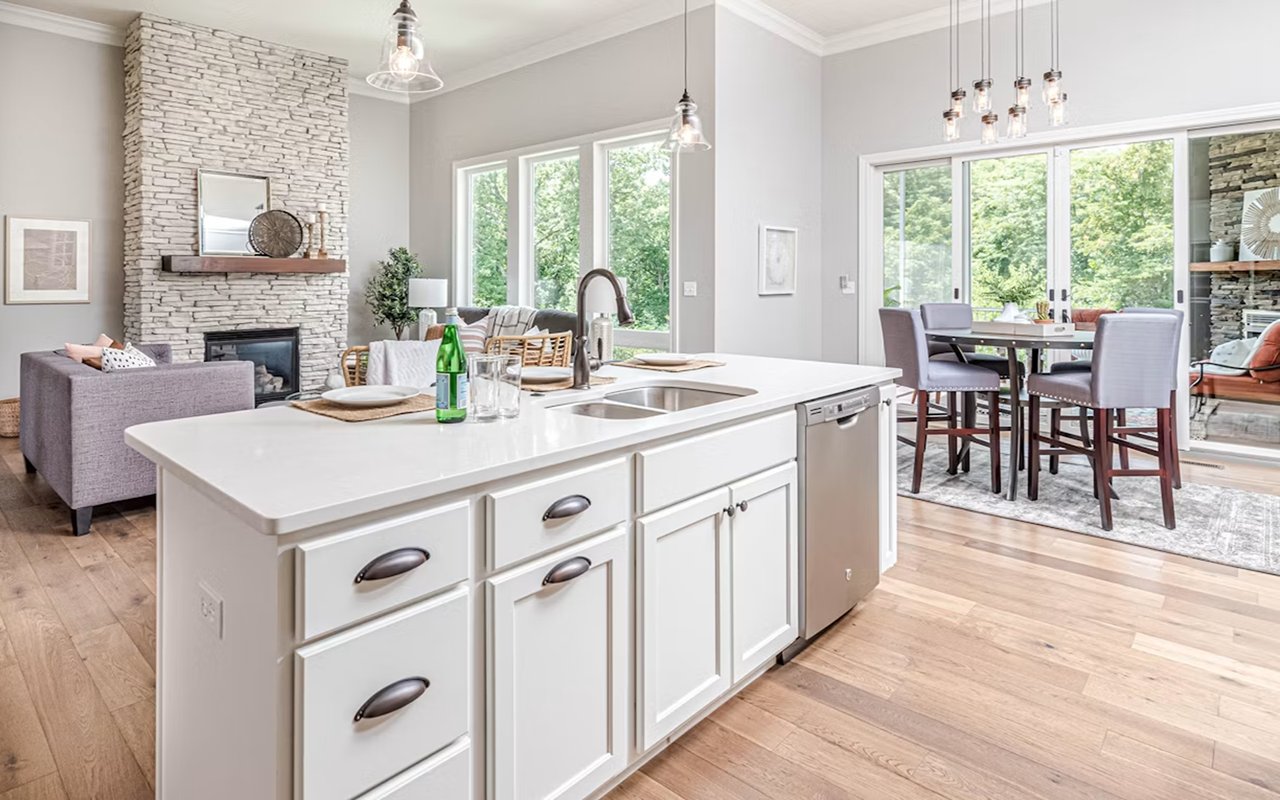
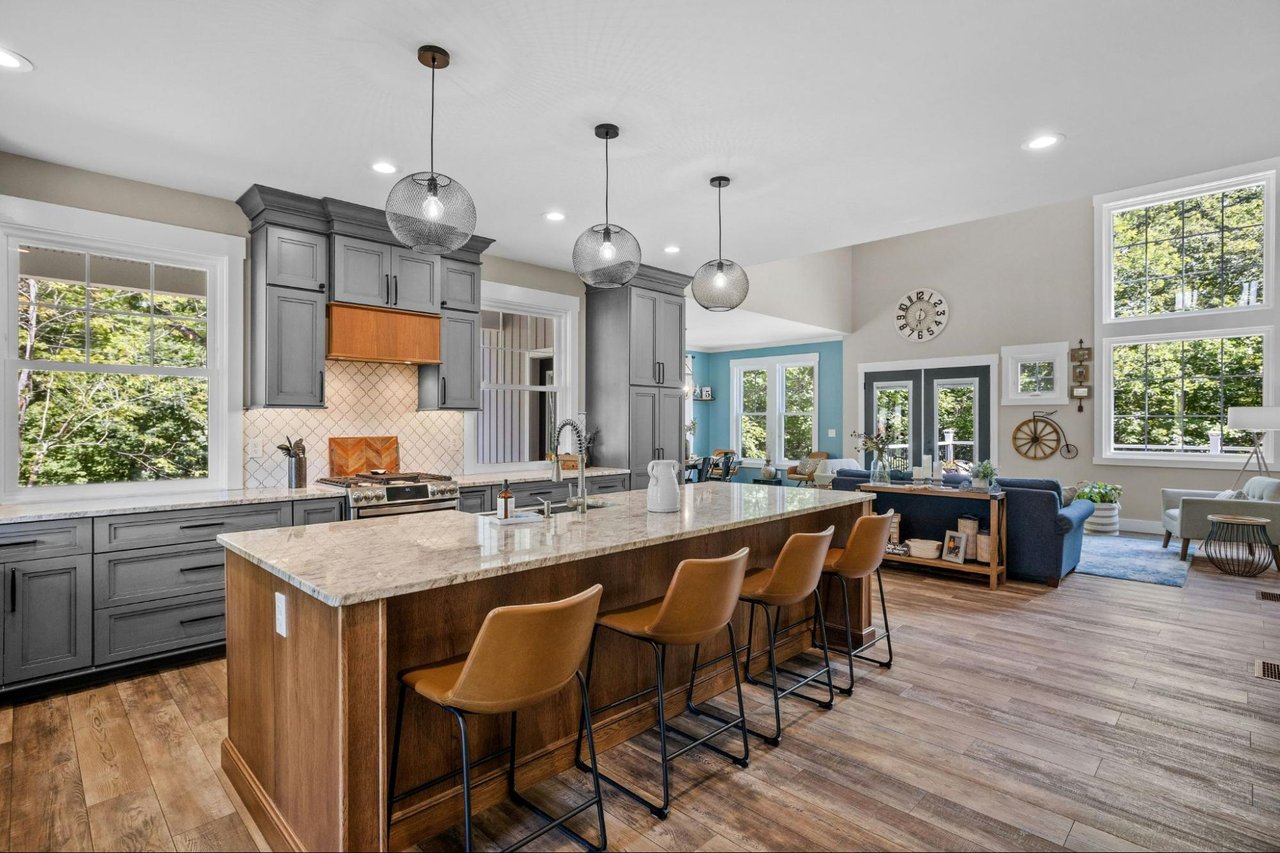
- A three-bedroom, mid-1990s to early-2000s home in a subdivision like Centaur Village or the neighborhoods around Waneka Lake, often with an updated kitchen and original bathrooms
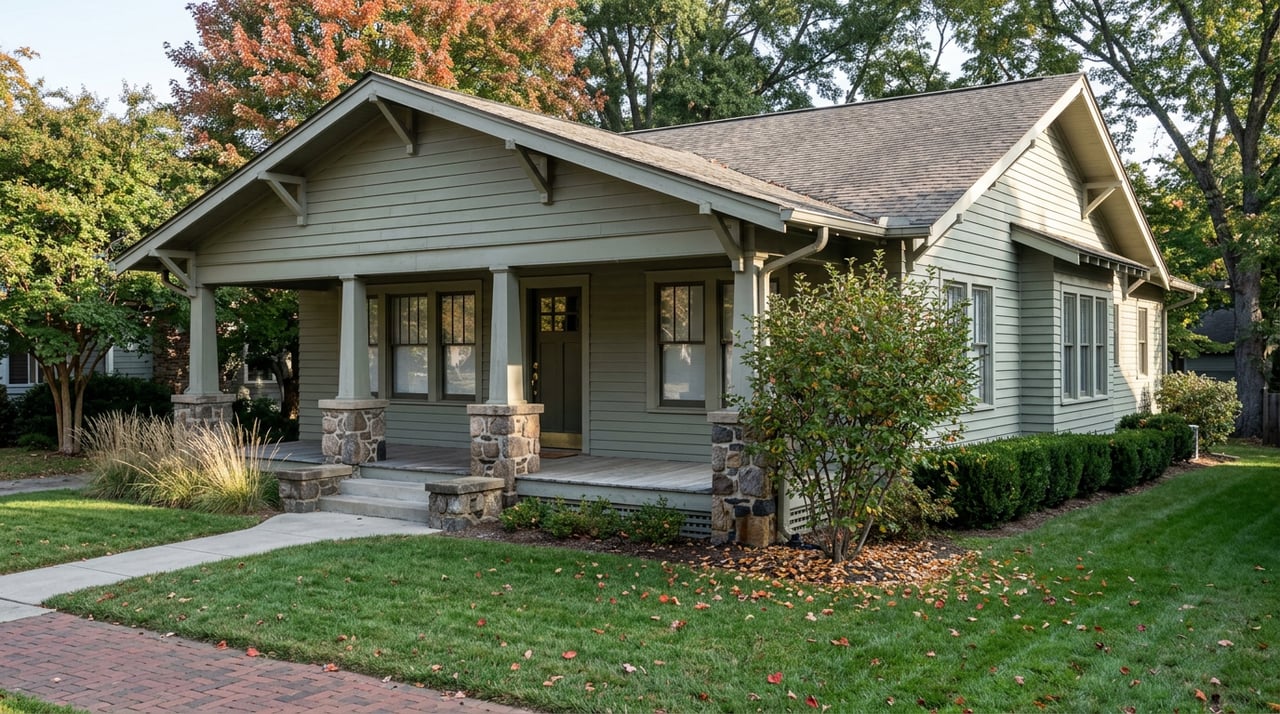
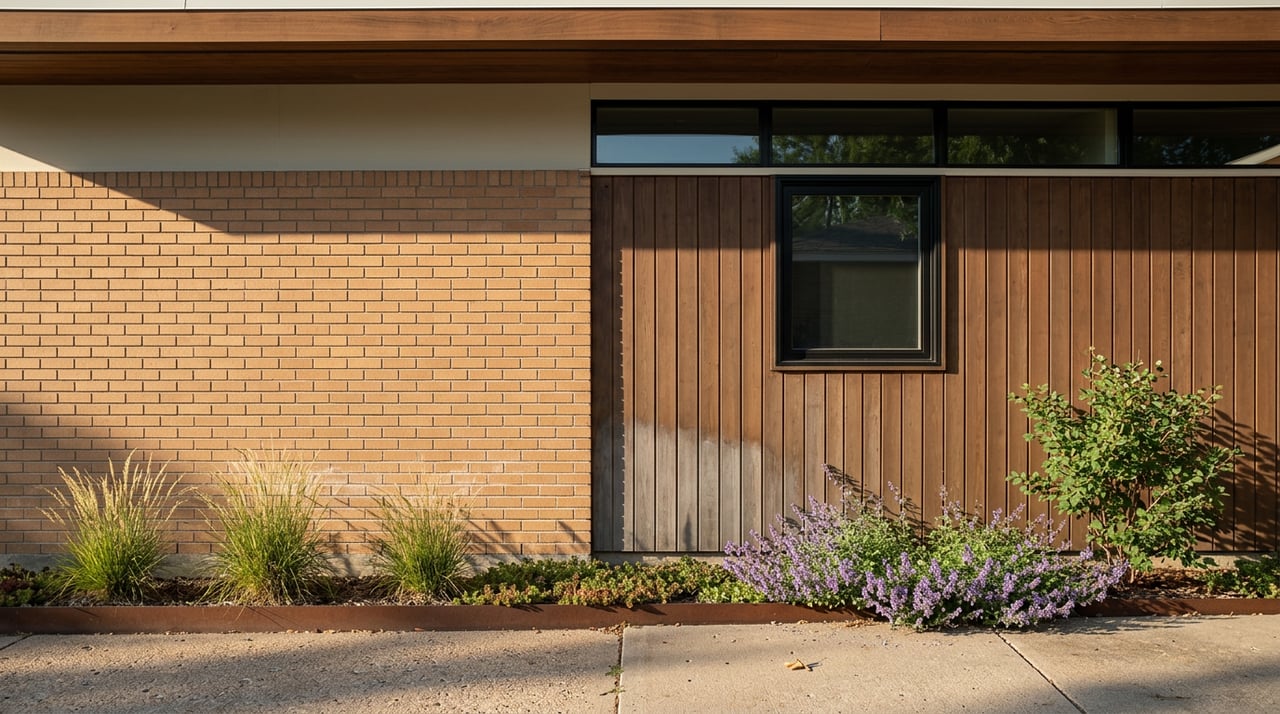
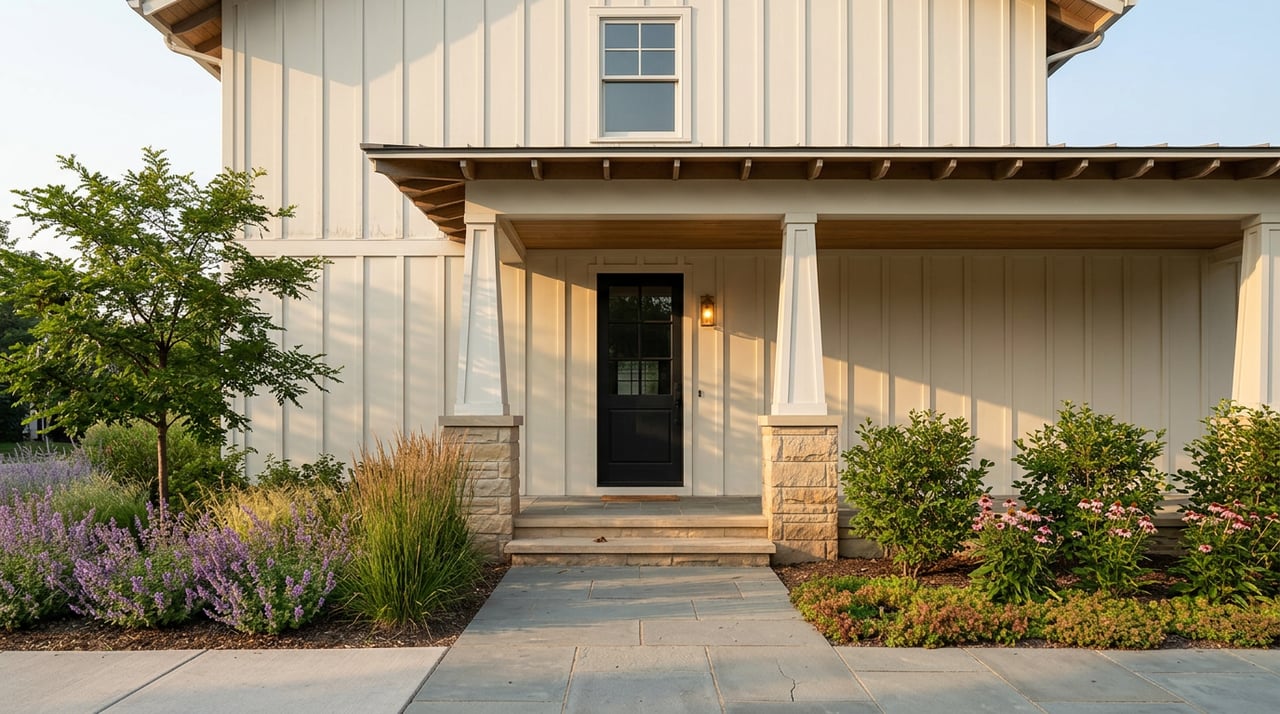
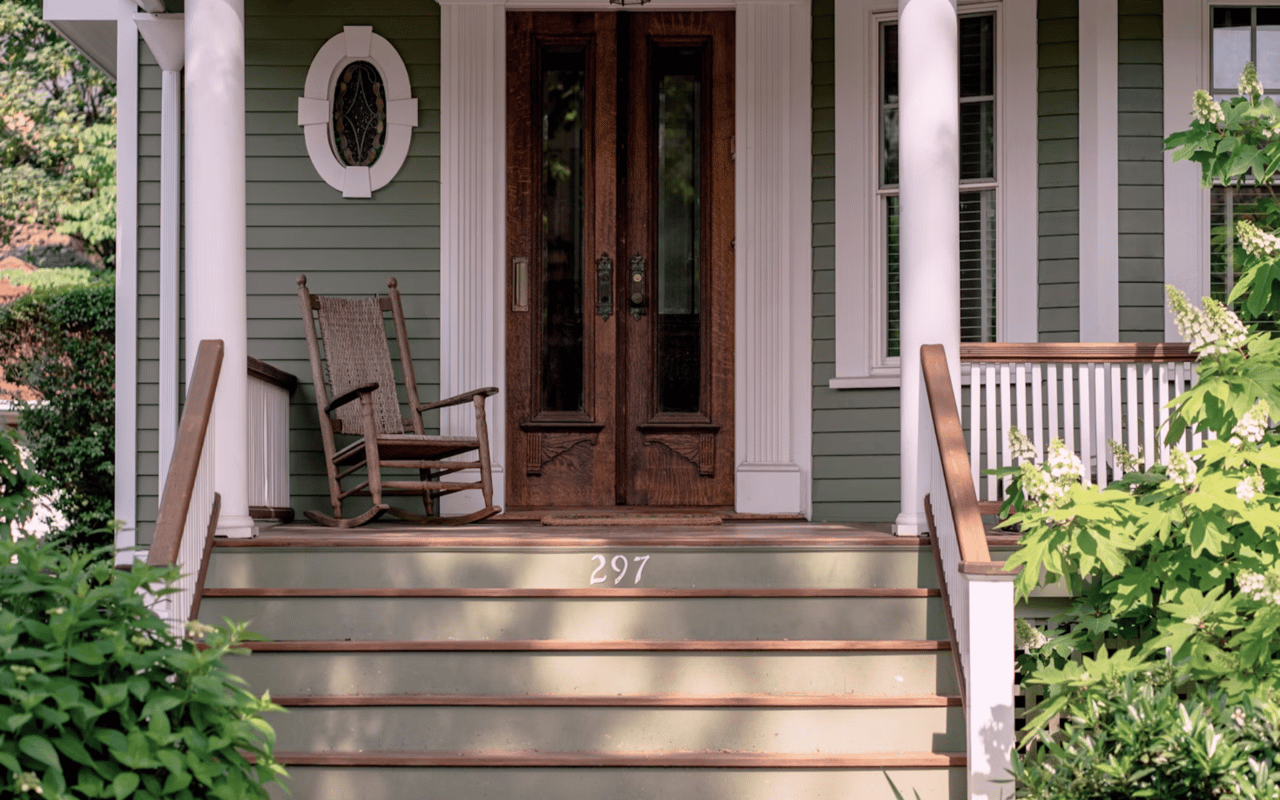
- A smaller, updated Old Town bungalow at the low end of the Old Town range, typically under 1,500 square feet and on a modest lot, when one surfaces
- A newer townhome or low-maintenance Boulder Creek-style attached product between downtown Lafayette and downtown Louisville
- A larger production home carrying a price cut of $40,000 to $75,000 off its original spring ask, in the outer subdivisions
Each of those buys different things: walkability, land, finish level, or square footage. The median hides which one you are trading for which. That is the conversation to have before writing an offer, not after.
The supply story most buyers aren't pricing in
Two projects and one policy rewrite are worth understanding before you commit to a price band.
Willoughby Corner, the Boulder County Housing Authority project on the north side of town, broke ground on a 400-unit affordable housing buildout that the state has flagged as the largest net-zero-ready affordable community in Colorado when complete. It is not competing directly with a $675,000 single-family purchase, but it does add rental supply, and it changes the demographic and traffic pattern on the north end of town in ways that comps from 2023 do not reflect.
The city's formal development pipeline also includes Gateway Lafayette from Kairoi at the Baseline Road corners, Silo Phase 2 south of Arapahoe, and the Range project from Kensington on Arapahoe. Any single one of these can be delayed or reshaped, but taken together they signal that the mid-2020s inventory picture in Lafayette will look different from the late-2010s one that shaped current owner expectations.
Sitting behind all of that is the Land Use Code rewrite, with Module 3 expected in the second quarter of 2026. It is drafting toward clearer base districts in place of the Planned Unit Development pattern that has governed much of Lafayette's newer neighborhoods, and it may introduce inclusionary housing requirements. The city has also been actively defending its home-rule zoning authority in litigation against the state. For a buyer, none of this changes what a specific house is worth this month. It does change the calculus on holding period, on where new density is likely to land, and on which lots have latent value in a five-to-ten-year frame.
How this shapes an offer this summer
A few specifics travel from these numbers into a real transaction.
First, the days-on-market figure is a negotiation clock, not a description. Fifty-four days is the median, which means half of listings sit longer. Once a home crosses roughly forty days without a price cut, the seller is usually recalibrating whether they believe their agent or their showing feedback. That is the window where a well-supported offer at 94% to 95% of ask, with clean terms, tends to land.
Second, appraisal risk is real again. When 68% of listings need a price cut and the sale-to-list ratio is under 95%, appraisers are working from a comp set that is trending down. A full-price offer with an appraisal contingency in a softening submarket is a very different animal than the same offer was in 2022. Financing structure matters more than it did.
Third, inspection leverage has quietly returned. Homes that sat through spring are often ones with deferred maintenance the seller was hoping to price around. Sewer scopes, roof condition, and older HVAC systems in the 1990s subdivision stock are worth budgeting for before you write, not after.
Fourth, the Old Town premium is real and it is not going away just because the town's median softened. A restored bungalow within walking distance of Public Road is not a comp for a same-square-footage home in a subdivision three miles out, even at the same list price. Underwriting them against each other is how buyers end up frustrated with both.
FAQ
Is now a better time to buy in Lafayette or in Louisville? They are different trades. Louisville's median sits meaningfully higher and its inventory has stayed tighter through this cycle. Lafayette is where the price flexibility is right now, particularly in the newer subdivision belt. The right answer depends on which submarket you are actually shopping, not which town.
Should I wait for Willoughby Corner and the other projects to deliver before I buy? Probably not, if you have a real reason to move this year. Those projects change rental supply and future density more than they change the single-family resale market you are shopping in. Timing a purchase to a development pipeline that spans several years is a hard bet to win.
What does the Land Use Code rewrite mean for a home I buy today? For most single-family purchases, very little in the short term. Where it can matter is on parcels with future subdivision or ADU potential. If that is part of your thesis on a specific lot, it is worth reading the actual code draft rather than a summary of it. The city posts development project files publicly through its planning department.
Are homes actually selling below list, or just listing lower? Both, in different pockets. The 94.99% sale-to-list figure is the closing gap on the deals that happened. The list-price decline is a separate signal that sellers are entering the market more realistically than they did last year. Layered together, they mean the strongest negotiating position in Lafayette right now belongs to a prepared buyer with clean financing.
If you are weighing Lafayette against Louisville, Erie, or a Boulder submarket this summer and want an offer strategy built on the specific comp set for the block you are shopping, not the town-wide median, Kim Hullett Real Estate is set up for exactly that conversation. Work With Kim when you are ready to price the house in front of you, not the headline.