By Kim Hullett
Winter at altitude is beautiful, but it puts real demands on a home. Between deep freezes, rapid temperature swings, and surprisingly strong winter sun, a Boulder house needs thoughtful preparation to make it through the season comfortably. Having helped many people settle in around South Boulder, I have gathered the steps that matter most for our unique climate.
Key Takeaways
- High-altitude winters demand proactive home prep.
- Protecting your plumbing prevents costly damage.
- Sealing and insulating keeps you warm and efficient.
- A serviced heating system is essential before the cold.
Why Winterizing Matters at Altitude
Boulder sits high enough that winter behaves differently than it does at lower elevations. We get intense sun that can melt snow quickly, followed by hard overnight freezes, and that constant thaw-and-freeze cycle is tough on a home. Preparing early is far easier than reacting to a problem in January.
What Good Prep Protects
- Pipes and irrigation from freezing and bursting
- Your foundation and hardscapes from freeze-thaw stress
- Your heating bills from unnecessary energy loss
- Your comfort during sudden cold snaps
Taking time to winterize your Boulder home is one of the smartest things you can do as an owner. It protects both your comfort and your investment.
Protect Your Plumbing and Water Systems
Frozen pipes are among the most expensive and preventable winter problems, so this is where I always tell homeowners to start. A little attention here saves enormous headaches later.
Plumbing Steps to Prioritize
- Blow out and shut down your irrigation system before the first freeze
- Disconnect garden hoses and cover exterior faucets
- Insulate pipes in unheated areas like crawl spaces and garages
- Know where your main shutoff is in case of emergency
The sprinkler blowout in particular is non-negotiable at our elevation. A frozen line is a costly repair that is completely avoidable with early action.
Seal, Insulate, and Manage the Dry Air
Our winter air is extremely dry, and drafts make homes feel colder than they are. Sealing up your home improves both comfort and efficiency, which matters when the temperature drops fast.
How to Tighten Up Your Home
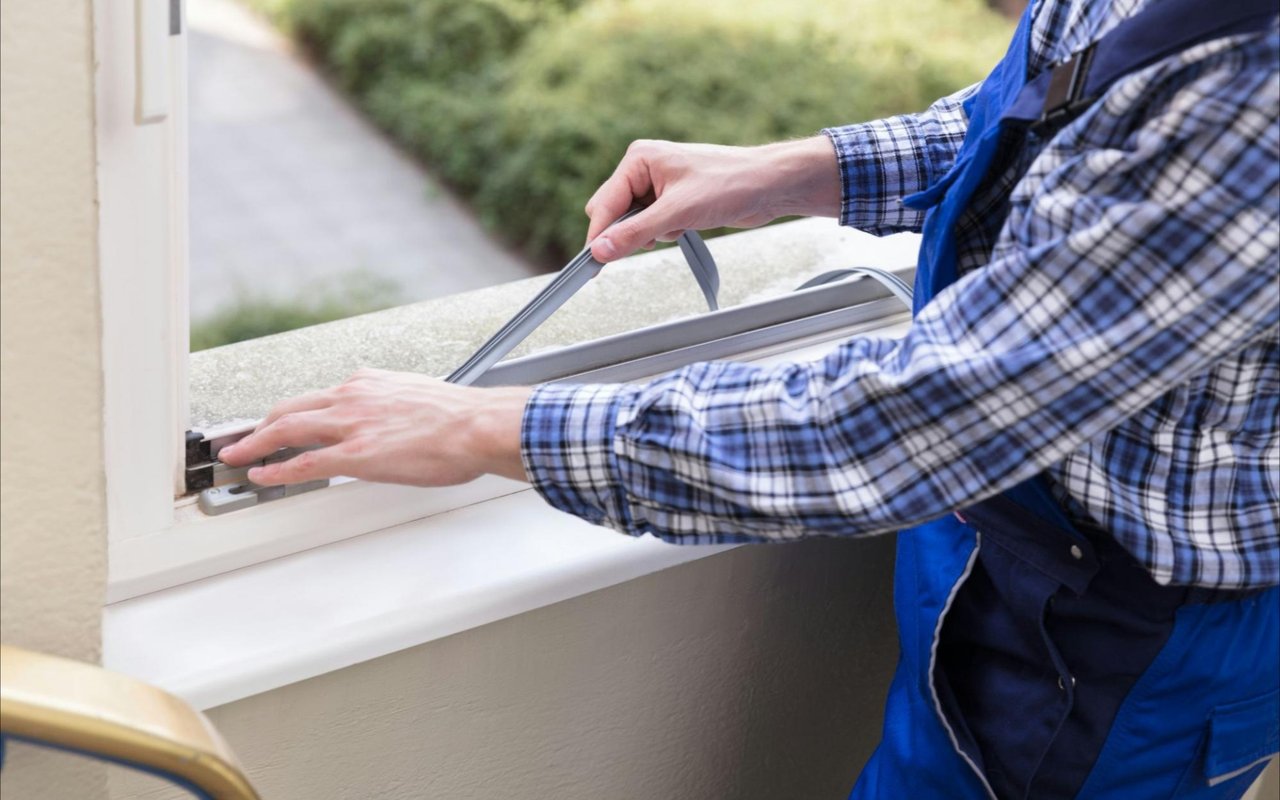
- Seal gaps around windows, doors, and outlets
- Add or check attic insulation to hold in heat
- Reverse ceiling fans to push warm air downward
- Consider a humidifier to offset the very dry indoor air
Managing humidity is often overlooked here, yet it makes a real difference in comfort. A slightly humidified home feels warmer and is easier on wood floors and furnishings.
Prepare Your Heating and Exterior
Your heating system works hard all winter, so it deserves attention before the season begins. The same goes for the exterior surfaces that take the brunt of our weather.
Getting Ready for the Cold
- Have your furnace serviced and replace the filters
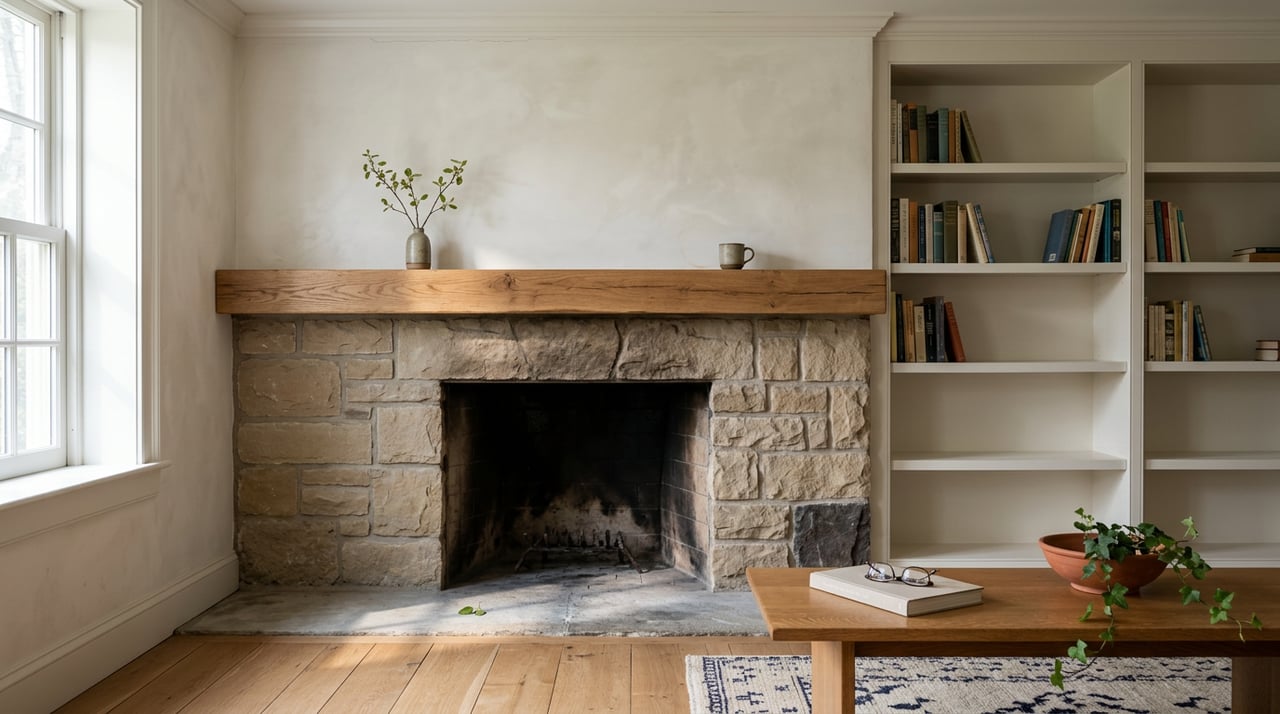
- Schedule a chimney and fireplace inspection before first use
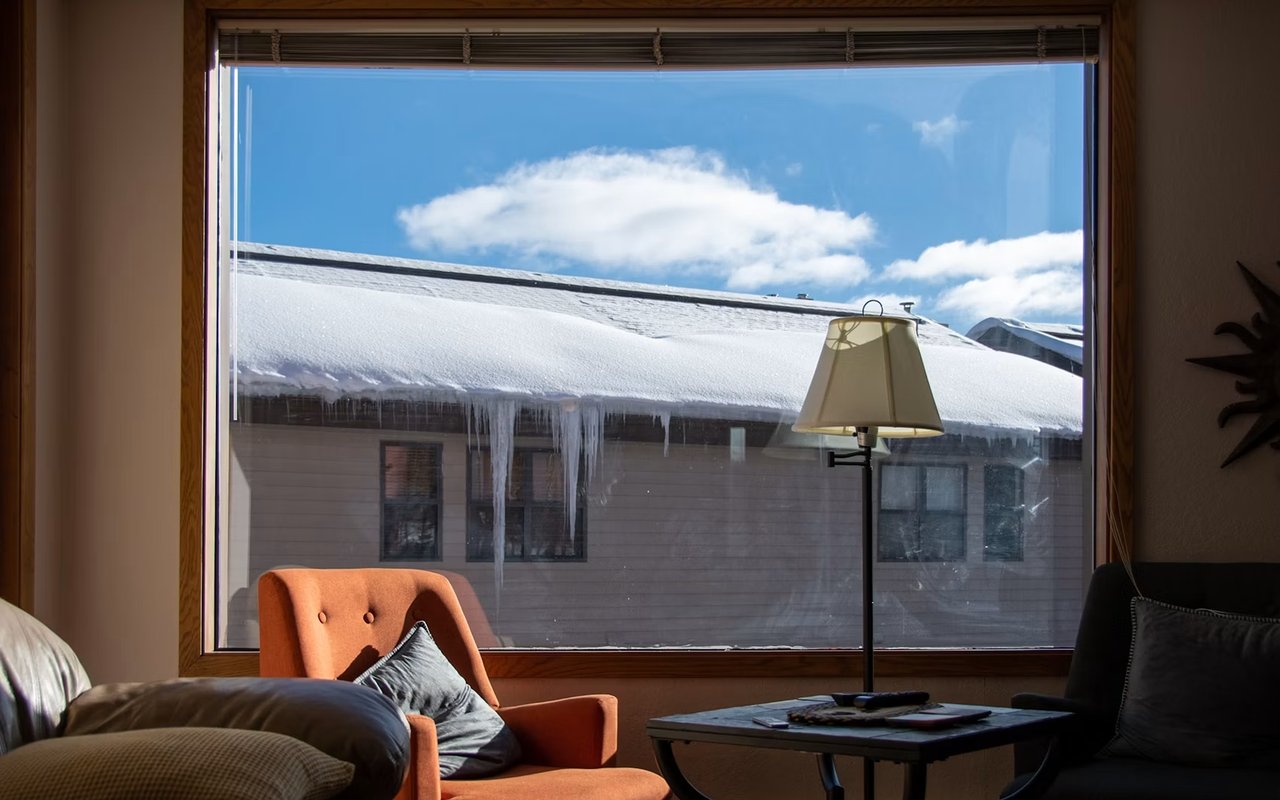
- Clean gutters to prevent ice dams and backups
- Check the roof for loose or damaged areas
I recommend handling these tasks in the fall, before the first big storm. A well-tuned home sails through winter with far fewer surprises.
Frequently Asked Questions
What is the single most important winterizing task in Boulder?
I always point to the irrigation blowout first, since a frozen sprinkler line is expensive and entirely preventable. After that, sealing drafts and servicing your furnace give you the most comfort and savings for the effort.
Does the high altitude really change how I prepare my home?
It does. Our strong winter sun, dry air, and dramatic temperature swings create stress that lower-elevation homes do not face as intensely. That is why I encourage a proactive routine rather than waiting for issues to appear.
When should I start winterizing my home?
I recommend beginning in the fall, ideally before the first hard freeze arrives. Getting ahead of the cold means your plumbing, heating, and exterior are all ready when winter shows up, which it often does quickly here.
Reach Out to Kim Hullett Today
A well-winterized home is a comfortable, protected home, and at our altitude that preparation truly pays off. Whether you are new to Boulder winters or a longtime local, a solid seasonal routine keeps your house strong year after year.
If you have questions about your home or are considering a move in South Boulder, reach out to me at Kim Hullett. I am always glad to share local know-how and help you protect what matters most.